Where Does Turkiye Get Its Oil?

Last updated: November 24, 2026 · Last verified: November 24, 2026
Türkiye imports almost all of the crude oil it refines — its own production covers only a small fraction of demand — so the country depends on a shifting mix of overseas suppliers. Since late 2025, that mix has moved sharply away from Russia, Türkiye’s long-standing top supplier, and toward Iraq, Kazakhstan and the United States. This page tracks who actually supplies Türkiye’s crude oil and petroleum-product imports, using data from Türkiye’s energy market regulator (EPDK) as reported by trade and shipping outlets.
Türkiye’s crude oil imports, full-year 2025
Türkiye’s crude oil imports rose 6.4% in 2025 to roughly 31.94 million tonnes (about 640,000 barrels a day), according to EPDK data. Russia stayed the largest single supplier of crude, even as its volume fell; Kazakhstan and Saudi Arabia posted the fastest growth.
| Supplier | Crude oil volume, 2025 | Year-on-year change | Year | Source |
|---|---|---|---|---|
| Russia | 15.23 million tonnes | -10% (vs. 2024) | 2025 | EPDK, via ICE Agency |
| Iraq | 5.05 million tonnes | +6.7% | 2025 | EPDK, via ICE Agency |
| Kazakhstan | 3.77 million tonnes | +27.9% | 2025 | EPDK, via ICE Agency |
| Saudi Arabia | 2.24 million tonnes | +40% | 2025 | EPDK, via ICE Agency |
| Total crude imports | ~31.94 million tonnes (~640,000 b/d) | +6.4% | 2025 | EPDK, via ICE Agency |
These figures cover crude oil specifically. Türkiye’s refineries — run almost entirely by TPAO‘s downstream affiliate network and Tüpraş — process this crude domestically rather than importing finished fuels for most of national demand, though Türkiye also imports refined petroleum products separately.
The 2026 shift away from Russian crude
Through 2026, Russia’s share of Türkiye’s oil imports fell sharply, a change multiple outlets link to pressure on Turkish refiners — including from the Trump administration — to cut purchases of sanctioned Russian crude. The data below mixes crude-only and total-petroleum (crude plus refined products) bases, which are labelled separately because they are not directly comparable.
| Period | Russia’s share | Other leading suppliers | Basis | Source |
|---|---|---|---|---|
| October 2025 | 61.1% | — | Total petroleum imports | EPDK, via Daily Sabah/Marine Link |
| November 2025 | 54.4% | — | Total petroleum imports | EPDK, via Marine Link |
| December 2025 | 47.5% | — | Total petroleum imports | EPDK, via Marine Link |
| June 2026 | 37.8% (down from 64.1% a year earlier) | United States (2nd-largest), Kazakhstan 11.6%, Iraq 7.4%, Saudi Arabia 2.8% | Total petroleum imports | EPDK, via Türkiye Today / MEES |
| July 2026 | 36.69% (1.66 million tonnes) | Iraq 14.46% (653,543 t), Kazakhstan 11.24% (507,965 t) | Total petroleum imports | EPDK, via Türkiye Today |
By mid-2026, the United States had become Türkiye’s second-largest oil supplier, overtaking most of the countries that had historically ranked behind Russia. Saudi Arabia’s shipments to Türkiye fell 61.9% in the June 2026 reading even as its 2025 full-year volume had grown — illustrating how volatile month-to-month supplier shares can be compared with annual totals.
What these numbers don’t show
Import data measures oil Türkiye buys and consumes or refines domestically. It is a different thing from the crude oil that transits Türkiye without being imported — for example, Azerbaijani crude moving through the Baku-Tbilisi-Ceyhan pipeline to the Ceyhan export terminal, or Iraqi crude that has historically moved via the Kirkuk-Ceyhan line. That transit crude is loaded onto tankers for export to other countries and is not part of Türkiye’s own import mix. None of the supplier figures above should be read as Türkiye’s total oil consumption either: consumption also includes refined products made domestically from imported crude, plus Türkiye’s own small onshore production.
Why the mix is changing
Reporting from Turkish and international outlets attributes the pullback from Russian crude to a combination of Western sanctions pressure and direct diplomatic appeals, rather than to any change in Türkiye’s own stated energy policy. Turkish refiners, led by Tüpraş, appear to have responded by increasing purchases from the United States, Iraq and Kazakhstan. This page will be updated as EPDK publishes further monthly data; the direction of the trend (away from Russia) has been consistent since October 2025, but the pace has varied month to month.
FAQ
Where does Türkiye get most of its oil from?
Russia remained Türkiye’s single largest crude oil supplier through 2025, but its share has fallen steadily since late 2025, with the United States, Iraq and Kazakhstan gaining ground through 2026.
Does Türkiye still import oil from Russia in 2026?
Yes, but at a much smaller share than before: Russia’s share of Türkiye’s total petroleum imports fell from about 64% in June 2025 to about 38% in June 2026, per EPDK data.
Is Türkiye’s oil import data published officially?
EPDK, Türkiye’s Energy Market Regulatory Authority, publishes monthly petroleum market data; the figures on this page are drawn from EPDK data as reported by Turkish and international trade press, since EPDK’s own bulletins are not always available in a consolidated country-by-country export format in English.
Who refines the oil Türkiye imports?
Türkiye’s refining capacity is concentrated in Tüpraş’s refineries (including İzmit, İzmir/Aliağa, Kırıkkale and Batman), which process imported crude into fuels for the domestic market.
Related The Daily Energy pages
- Who Buys Russia’s Oil? — the exporter-side view of where Russian crude goes, including Türkiye’s role as a buyer.
- TPAO: Ownership, Leadership and Major Assets — Türkiye’s state oil and gas company.
- Turkey’s Energy Sector: Mix, Imports and Investments — Türkiye’s broader energy profile.
- Russia Energy Profile
- What Is Brent Crude?
- What Is Gazprom?
Sources: EPDK (Turkish Energy Market Regulatory Authority) data as reported by ICE Agency, Marine Link, Daily Sabah, Türkiye Today and Middle East Economic Survey (MEES).
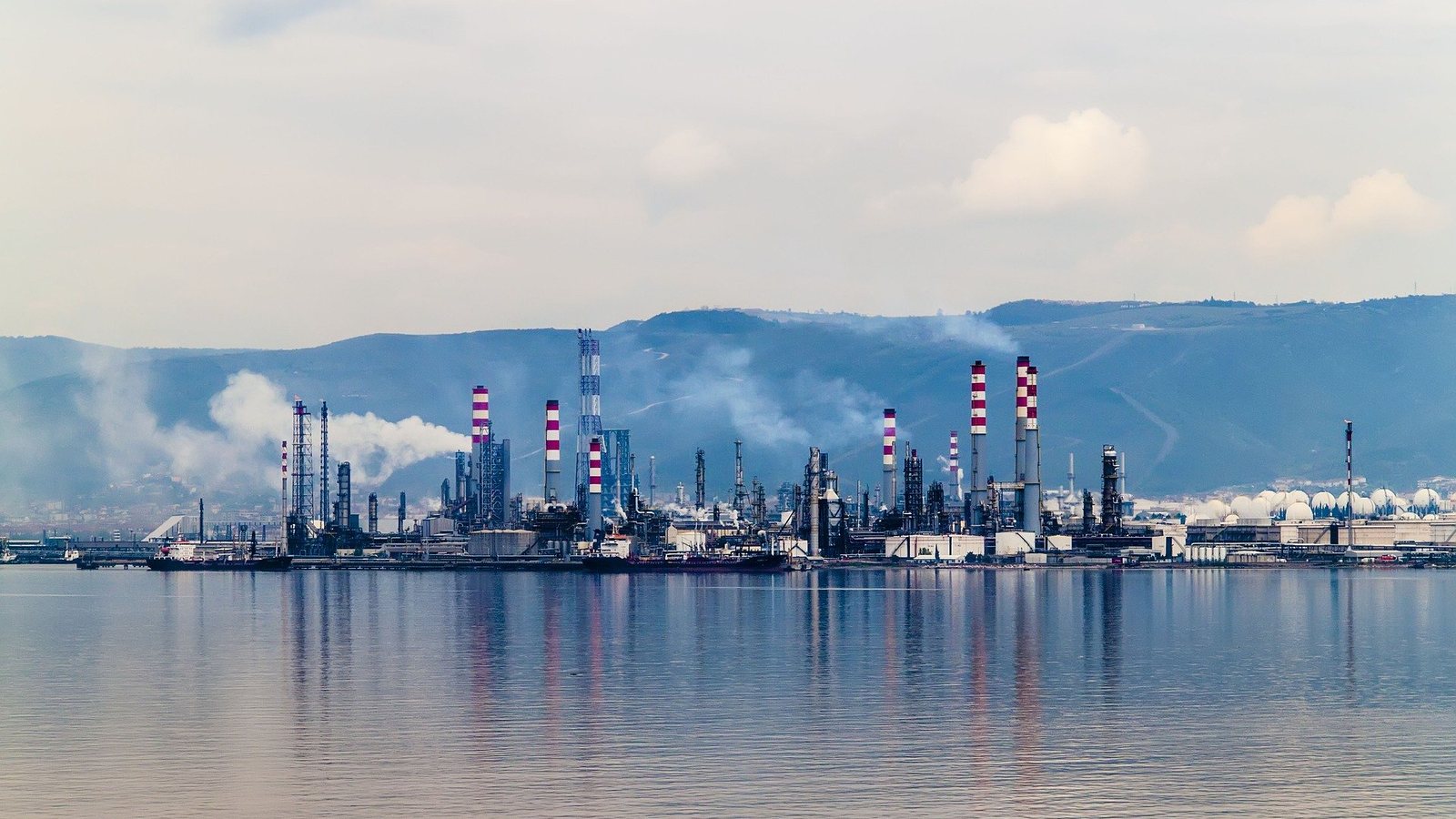
Illustrative image. Photo: İsa Karakuş, Public domain, via Wikimedia Commons — source