


What Is Brent Crude and Why Does It Matter?

Last updated: September 28, 2026
Brent Crude is the world’s leading oil price benchmark. It represents a blend of light, sweet crude oils produced in the North Sea — Brent, Forties, Oseberg, Ekofisk, and Troll, known together as BFOET — and is traded as a futures contract on ICE Futures Europe. Because it is waterborne and can be shipped anywhere in the world, Brent is used directly or indirectly to price roughly three-quarters of the world’s internationally traded crude oil.
Definition
Brent Crude refers to both a physical blend of North Sea crude oil grades and the futures and index contracts built around that blend. The physical “Brent complex” traded today includes Brent Blend, Forties Blend, Oseberg, Ekofisk, and Troll crude — the BFOET grades — after the original Brent field alone could no longer supply enough volume to keep the benchmark liquid, according to ICE, which operates the main Brent futures market. The ICE Brent futures contract covers 1,000 barrels of crude oil per contract, is quoted in U.S. dollars per barrel, and can be settled financially against the ICE Brent Index or delivered physically through an Exchange for Physical (EFP) mechanism.
How It Works
Three related price points make up the modern Brent complex, according to ICE:
- Dated Brent — the assessed price of physical BFOET cargoes for near-term loading, tracked mainly by price reporting agencies.
- ICE Brent futures — exchange-traded contracts for future delivery months, the most widely quoted “Brent price” in markets and media.
- ICE Brent Index — calculated the day after a futures contract’s last trading day as the average price of the prevailing North Sea cash/forward market, based only on published trades and assessments for full cargo sizes (currently 700,000 barrels); it is used to cash-settle expiring futures.
These layers stay linked through arbitrage and the EFP mechanism, so that physical market fundamentals feed through into where futures contracts expire.
History
The Brent oilfield itself was discovered in 1971 by Shell and Esso with the exploration well 211/29-1, drilled from the semi-submersible rig Staflo in UK waters off the Shetland Islands; first oil flowed in 1976. The field’s name comes from Shell UK’s practice of naming North Sea fields after seabirds — in this case, the brent goose. As output from the original field declined, the exchange progressively broadened the deliverable grades — first to Brent-Forties-Oseberg-Ekofisk (BFOE), then to BFOET with the addition of Troll — to keep enough volume in the benchmark. The Brent field itself stopped producing in 2021, but the benchmark built on its name continues to anchor global oil pricing.
Price discovery moved from purely physical deals to an exchange-traded market in 1988, when the Brent futures contract launched on the International Petroleum Exchange in London (the exchange that today, after several mergers, operates as ICE Futures Europe). That gave the market its first daily, transparent futures price. Brent overtook West Texas Intermediate (WTI) as the world’s most-referenced benchmark from around 2010, after pipeline bottlenecks at the Cushing, Oklahoma delivery point caused WTI prices to disconnect at times from international crude markets, weakening its usefulness as a global reference, according to ICE.
Why It Matters
Brent’s core advantage is that it is waterborne: cargoes can be loaded onto tankers and shipped to any market, so its price reflects global supply and demand rather than the constraints of a single pipeline network or storage hub. That has made it the reference price for the large majority of the world’s physically traded crude — ICE puts the figure at roughly 78% of internationally traded oil priced directly or indirectly off Brent. Many producing countries, including major OPEC members, set their official selling prices for crude exports to Europe, Asia, and Africa as a differential — a premium or discount — to Brent.
Where It Is Used
Brent is the primary reference price across Europe, Africa, and much of Asia and the Middle East for both physical crude cargoes and financial instruments such as futures, swaps, and options. It differs in role from WTI, the main U.S. benchmark priced for delivery at the landlocked Cushing, Oklahoma hub, and from regional Middle East sour-crude benchmarks such as Dubai and Oman crude, which price much of the crude sold under long-term contracts into Asia.
Key Characteristics
- Light, sweet (low-sulfur) crude blend — BFOET grades.
- Traded on ICE Futures Europe in 1,000-barrel contract lots, quoted in USD/barrel.
- Can be cash-settled (via the ICE Brent Index) or physically delivered (via EFP).
- Waterborne, giving it global shipping flexibility that landlocked benchmarks lack.
Related Technologies and Concepts
Brent sits alongside WTI, Dubai/Oman crude, and other regional markers in the broader system of crude oil benchmarks; alongside it, natural gas markets use their own regional reference prices such as Henry Hub, TTF, and JKM (see Natural Gas). Understanding Brent also requires understanding contango and backwardation (how futures prices for different delivery months relate to each other) and the role of price reporting agencies that assess physical cargo values.
Real-World Examples
Brent prices react quickly to supply disruptions along key oil chokepoints and producer decisions. Recent 2026 episodes affecting Brent include Iranian moves around the Strait of Hormuz, Saudi Arabia’s restart of its East-West pipeline to resume Yanbu exports, and Ukrainian drone strikes on Russian refineries — each of which moved Brent futures as traders reassessed global supply risk. National oil companies such as Saudi Aramco and international majors such as ExxonMobil and Shell all reference Brent-linked pricing in reporting the value of their crude oil sales, and OPEC+ production decisions are closely watched for their effect on the Brent price.
FAQ
What is the difference between Brent crude and WTI?
Brent is a waterborne North Sea blend used to price most internationally traded oil, while West Texas Intermediate (WTI) is priced for delivery at the landlocked Cushing, Oklahoma hub and is the main U.S. benchmark. Brent’s ability to be shipped anywhere gives it a broader, more global reference role.
Why is it called Brent crude?
It is named after the Brent oilfield, discovered in the North Sea in 1971, which Shell named after the brent goose under its convention of naming North Sea fields after seabirds.
Is Brent crude oil still produced?
The original Brent field stopped producing in 2021. The benchmark that carries its name now tracks a blend of five North Sea grades — Brent, Forties, Oseberg, Ekofisk, and Troll (BFOET).
Who sets the Brent crude price?
No single body “sets” it. It emerges from trading on ICE Futures Europe (futures and the ICE Brent Index) together with physical Dated Brent assessments published by price reporting agencies, all linked through arbitrage.
What does the Brent crude price affect?
It influences pump fuel prices, airline and shipping fuel costs, the export revenues of oil-producing nations, and the official selling prices many producers set for crude sold into Europe, Asia, and Africa.
Related The Daily Energy Pages
- What Is OPEC?
- Saudi Aramco
- ExxonMobil
- What Is Shell and Who Owns It?
- Why Are Oil Prices Rising?
- What Happens When the Strait of Hormuz Closes?
Sources
- ICE, “Brent: The Global Benchmark for Navigating Crude Oil Markets” (ice.com/brent-crude)
- ICE, “Brent: The World’s Crude Benchmark,” Market Pulse insights
- ICE, “Why the World Needs Benchmarks & Characteristics of Benchmarks”
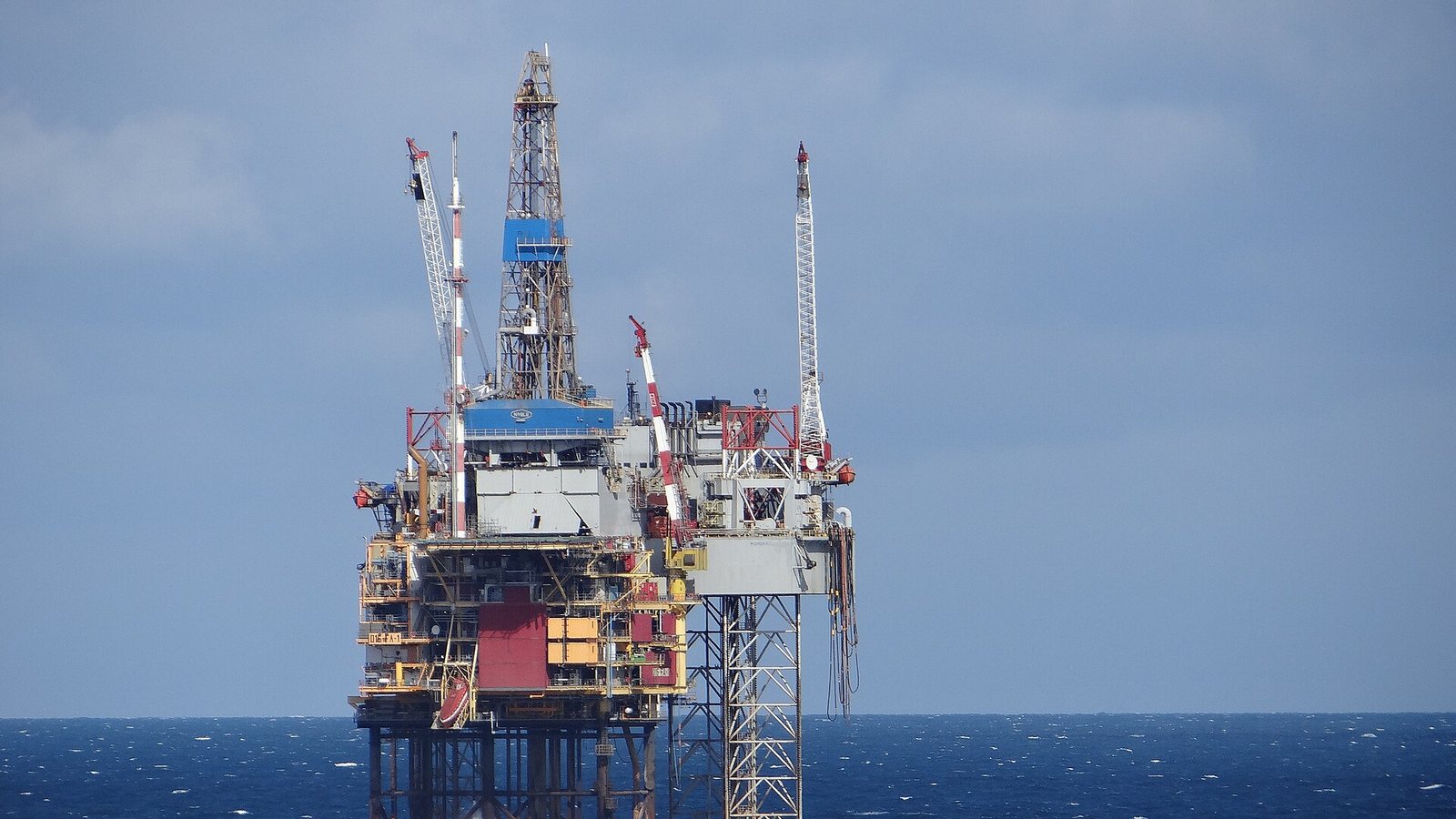
Illustrative image. Photo: Gary Bembridge from London, UK, CC BY 2.0, via Wikimedia Commons — source



.jpg)