


India Weighs Mandatory Coal Imports as Power Plant Stockpiles Shrink


India’s power ministry is discussing whether to revive a rule that would require coal-fired power plants to blend a minimum share of imported coal into their fuel mix, according to government sources cited by Reuters, after stockpiles at monitored stations fell to roughly a week’s worth of cover nationwide. No decision has been taken, and officials describe the idea as one option under consideration rather than settled policy.
How thin the buffers have gotten
Coal inventories across India’s 190 monitored power plants stood at about 22.31 million tonnes against a normative requirement of 57.86 million tonnes — roughly 38% of what the system is meant to hold as a buffer. A separate snapshot from the September 19–20 weekend put total stocks at 22.9 million tonnes, equal to about seven days of national cover, with domestic-coal-fired units holding just 19.81 million tonnes, or 36% of their normative level. Seventy-two plants were classified as critical, and 74 plants were holding less than three days of stock over that weekend.
A blending rule with a recent precedent
The option being discussed would mandate blending of up to 5% imported coal with domestically sourced coal at affected plants. India has used a similar tool before: a mandatory blending directive was in force from December 2021 to March 2024, introduced the last time domestic supply chains came under comparable strain. Officials describe the current proposal primarily as an inventory-restoration and risk-management measure for the months ahead, rather than a reversal of India’s longer-running push to substitute imports with domestic coal production.
Why the numbers matter for the grid
Coal-fired plants remain the backbone of India’s electricity system, and thin fuel stocks at individual stations translate quickly into generation risk if demand spikes or rail deliveries slip. A blending mandate would let plants draw on seaborne cargoes to rebuild buffers faster than domestic mines and rail logistics alone could manage, at the cost of higher fuel bills that are typically passed through to distribution utilities and, eventually, consumers. That trade-off is precisely why the power ministry is treating the move as a discussion rather than an automatic response to any single week’s inventory reading.
What happens next
Because the proposal is still at an early, internal stage, there is no confirmed timeline for a decision, and the power ministry has not issued a public directive. Any formal blending order would need to specify which plants are covered, the exact blending percentage, and how long the requirement would run — details that determined how the 2021–2024 mandate was implemented and eventually phased out. The parallel debate in Washington over a short-term ban on US diesel exports is a reminder that governments across several major economies are currently weighing similar trade-offs between fuel security and supply flexibility.
Sources
- Business Standard, “Power ministry weighs mandatory imported coal blending as stocks dwindle,” Sept. 25, 2026 — inventory figures and policy discussion.
- Reuters (via Inkl), “India weighs mandatory blending of imported coal at power plants, sources say” — sourcing on the proposal’s early-stage status.
- OilPrice.com, “India Weighs Mandatory Imported Coal Blending as Plant Stocks Crumble” — additional inventory detail.
- BigMint, “India weighs imported coal blending as power plant stocks slide” — plant-level breakdown of critical and low-stock stations.
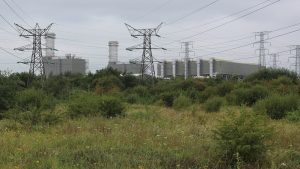
Illustrative image. Photo: Biswarup Ganguly, CC BY 3.0, via Wikimedia Commons — source




[…] in September, a vulnerability New Delhi had already flagged weeks earlier when officials began weighing mandatory imported-coal blending requirements at power stations to build a buffer against shortfalls. When domestic supply runs tight, states […]
[…] hit a three-year high as coal plants were pressed into service to cover a hydropower gap, and that the government was weighing mandatory imported-coal blending to keep plant stockpiles from running down further. Green Energy Corridor Phase-III addresses a […]