


What Is Green Hydrogen and How Is It Made?

Last updated: October 19, 2026
Green hydrogen is hydrogen gas produced by splitting water into hydrogen and oxygen in an electrolyzer powered by renewable electricity, such as solar or wind. Because no fossil fuel is burned in the process and the only byproduct is oxygen, it carries a near-zero carbon footprint at the point of production. It is being developed mainly to decarbonize sectors that are hard to electrify directly, such as ammonia and fertilizer production, steelmaking, shipping fuel and long-haul transport.
Definition
Green hydrogen is hydrogen produced through electrolysis — using an electric current to split water (H₂O) into hydrogen (H₂) and oxygen (O₂) — where the electricity comes from renewable sources. The word “green” is an informal industry color code rather than a single legal standard: different bodies set different thresholds. The International Energy Agency’s Green Hydrogen Standard, for instance, sets a carbon-intensity threshold of 2 kg of CO2-equivalent per kilogram of hydrogen, averaged over a 12-month period, covering both electrolysis and renewable biomass conversion routes. A separate industry initiative, the Green Hydrogen Standard backed by the Green Hydrogen Organisation, defines green hydrogen as hydrogen made through electrolysis powered by 100% or near-100% renewable energy with close to zero greenhouse gas emissions. The European Union adds its own sourcing rules, requiring that renewable power for green hydrogen come from installations that are newly built or not already committed elsewhere. Because of these varying definitions, a cargo or facility described as “green hydrogen” in one market may not automatically qualify under another jurisdiction’s rules.
How It Works
An electrolyzer uses direct-current electricity to drive a chemical reaction that splits water molecules at two electrodes, producing hydrogen gas at the cathode and oxygen gas at the anode. The two main commercial electrolyzer designs are:
- Alkaline electrolyzers — the most mature and lowest-cost technology, using a liquid alkaline electrolyte; widely deployed in China, which accounted for most of the world’s new electrolyzer installations in 2025.
- Proton exchange membrane (PEM) electrolyzers — use a solid polymer membrane, respond faster to variable renewable power output, and have a smaller physical footprint, but typically cost more and rely on platinum-group metal catalysts.
A smaller share of projects use solid oxide electrolyzers, which run at high temperature and can be more efficient when paired with a source of waste heat, or anion exchange membrane electrolyzers, an emerging technology still mostly at pilot scale. In each case, the hydrogen produced is then compressed or liquefied for storage and transport, used directly on-site, or converted into derivative products such as ammonia (for easier shipping) or synthetic fuels.
Why It Matters
According to the International Energy Agency’s Global Hydrogen Review 2026, global installed electrolysis capacity roughly doubled during 2025 to surpass 4 gigawatts (GW) by the end of the year, up from about 1.4 GW at the end of 2023, driven by the commissioning of several large-scale projects in China, which accounted for nearly three-quarters of the new capacity added. More than 2.5 GW of additional capacity was under construction and targeting start-up in 2026, with the IEA expecting most of that near-term growth to come from Europe, though concentrated in a small number of large projects. On the manufacturing side, the IEA estimated global electrolyzer manufacturing capacity reached almost 58 GW per year by the end of 2025, up from 46 GW per year a year earlier — but actual electrolyzer production in 2025 was under 5 GW, implying a utilization rate of only around 9% and pointing to significant overcapacity in the supply chain that the IEA expects to persist toward 2030.
The IEA has also cautioned that more than 100 GW of announced global electrolyzer capacity risks missing operation by 2030 unless developers take final investment decisions before the end of 2027, underscoring the gap between announced pipelines and projects that actually get built.
Where It Is Used
Green hydrogen is being developed for:
- Ammonia and fertilizer production — green ammonia is the main early offtake product, since it is easier to ship and store than hydrogen gas itself.
- Steelmaking — as a substitute for coking coal in direct-reduced-iron processes.
- Shipping and aviation fuel — as a feedstock for e-methanol, e-ammonia and synthetic aviation fuels.
- Refining and chemicals — replacing hydrogen currently made from natural gas (“grey” hydrogen) in existing industrial processes.
- Grid balancing and long-duration storage — a smaller, longer-term use case, converting surplus renewable power into storable hydrogen.
Key Characteristics
Hydrogen is often referred to informally by color, based on how it is produced. These color labels are industry shorthand, not a single internationally agreed classification, and carbon-intensity thresholds vary by source:
| Color | Feedstock & process | Typical carbon intensity | Illustrative production cost (2023–2025 estimates) |
|---|---|---|---|
| Green | Water, split by electrolysis using renewable electricity | Near-zero at the point of production | Roughly $3.50–6/kg in most studies; as low as ~$5.1/kg cited for Saudi Arabia in one 2024 industry report |
| Blue | Natural gas reforming, paired with carbon capture and storage | Low, depending on the capture rate achieved | Roughly $1.5–3.5/kg in most studies |
| Grey | Natural gas reforming, no carbon capture | High — around 9–12 kg of CO2 per kg of hydrogen | Roughly $0.8–2.5/kg in most studies; the cheapest and most common form of hydrogen produced today |
Cost figures are illustrative industry estimates that vary significantly by study, region, electricity price and year — not a fixed global price. Sources include BloombergNEF’s 2023 hydrogen levelized-cost update and a 2024 Global Gas Report comparison for Saudi Arabia; see Sources below.
BloombergNEF’s 2023 analysis found that falling natural gas prices kept blue hydrogen the most cost-competitive low-carbon option at the time, but projected that green hydrogen could undercut new grey hydrogen production in more than 90% of markets by 2035 as electrolyzer and renewable power costs continue to fall.
Related Technologies
Green hydrogen production depends on falling costs for utility-scale solar and wind power, since electricity typically makes up the largest share of its production cost. It is closely linked to electrolyzer manufacturing, green ammonia synthesis, hydrogen compression and liquefaction, and — for blue hydrogen, its lower-carbon fossil-based counterpart — carbon capture and storage.
Real-World Examples
Saudi Arabia’s NEOM Green Hydrogen Project (part of the Helios Green Fuels venture) is the most advanced large-scale green hydrogen project in the world, combining roughly 2.2 GW of electrolyzers with nearly 4 GW of solar and wind generation to produce green ammonia; as of January 2026, construction was reported to be around 90% complete, with first deliveries expected in early 2027 after the original end-2026 target slipped. Air Products has a 30-year agreement to purchase all of the project’s ammonia output. In Oman, ACME signed a $4.2 billion deal in 2026 to expand its green hydrogen and ammonia complex in the Duqm Special Economic Zone, with each phase designed to produce around 71,000 tonnes of green hydrogen and 400,000 tonnes of green ammonia per year — see The Daily Energy’s coverage of the ACME Oman expansion. Oman’s state hydrogen company, Hydrom, has set a national target of 1–1.25 million tonnes of green hydrogen production per year by 2030 and has already awarded eight projects across two competitive auction rounds.
FAQ
What is green hydrogen?
Hydrogen gas produced by using renewable electricity to split water into hydrogen and oxygen through electrolysis, rather than by processing fossil fuels.
How is green hydrogen made?
An electrolyzer — typically alkaline or proton exchange membrane (PEM) — passes an electric current through water, separating it into hydrogen at one electrode and oxygen at the other. The electricity must come from renewable sources, such as dedicated solar or wind, for the hydrogen to qualify as “green.”
What is the difference between green, blue and grey hydrogen?
Green hydrogen is made by electrolysis using renewable electricity. Blue hydrogen is made from natural gas with carbon capture and storage to reduce its emissions. Grey hydrogen is made from natural gas with no carbon capture, making it the most carbon-intensive of the three but currently the cheapest and most widely produced.
Why is green hydrogen so expensive?
Electricity is typically the largest single cost in producing green hydrogen, and electrolyzers themselves remain costly relative to their low utilization in many early projects. Costs are expected to fall as renewable electricity prices decline and electrolyzer manufacturing scales up, though estimates of when green hydrogen reaches cost parity with fossil-based hydrogen vary widely by study and region.
What is green hydrogen used for?
Mainly for producing green ammonia and fertilizer, decarbonizing steelmaking and heavy industry, and as a feedstock for synthetic shipping and aviation fuels — sectors that are difficult to electrify directly.
Related The Daily Energy Pages
- What Is Carbon Capture and Storage (CCS)?
- What Is Natural Gas?
- ACWA Power: Ownership, Leadership and Projects
- Saudi Arabia Energy Profile
- ACME Signs $4.2 Billion Deal to Expand Green Hydrogen Complex in Oman’s Duqm Zone
Sources
- International Energy Agency, Global Hydrogen Review 2026 — electrolysis capacity and manufacturing data
- International Energy Agency, “Green Hydrogen Standard” policy database entry
- BloombergNEF, “2023 Hydrogen Levelized Cost Update: Green Beats Gray”
- Global Gas Report 2024 (Saudi Arabia green/grey/blue hydrogen cost comparison), as reported in industry coverage
- The Daily Energy reporting on NEOM Green Hydrogen Project and ACME’s Oman Duqm expansion
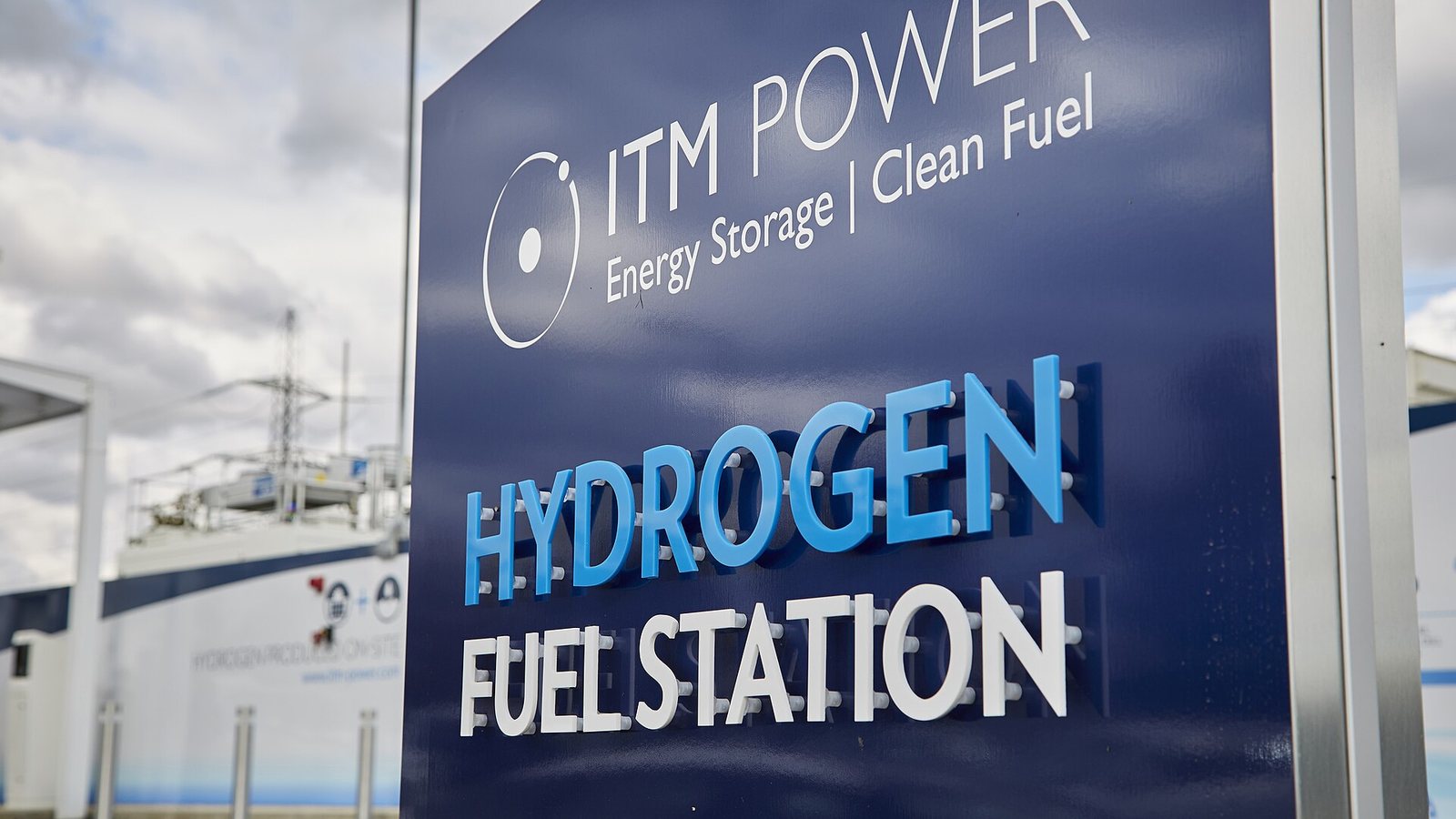
Illustrative image. Photo: Bexim, CC BY-SA 4.0, via Wikimedia Commons — source




[…] What Is Green Hydrogen and How Is It Made? […]
[…] What Is Green Hydrogen and How Is It Made? […]