How Does Crude Oil Refining Work?
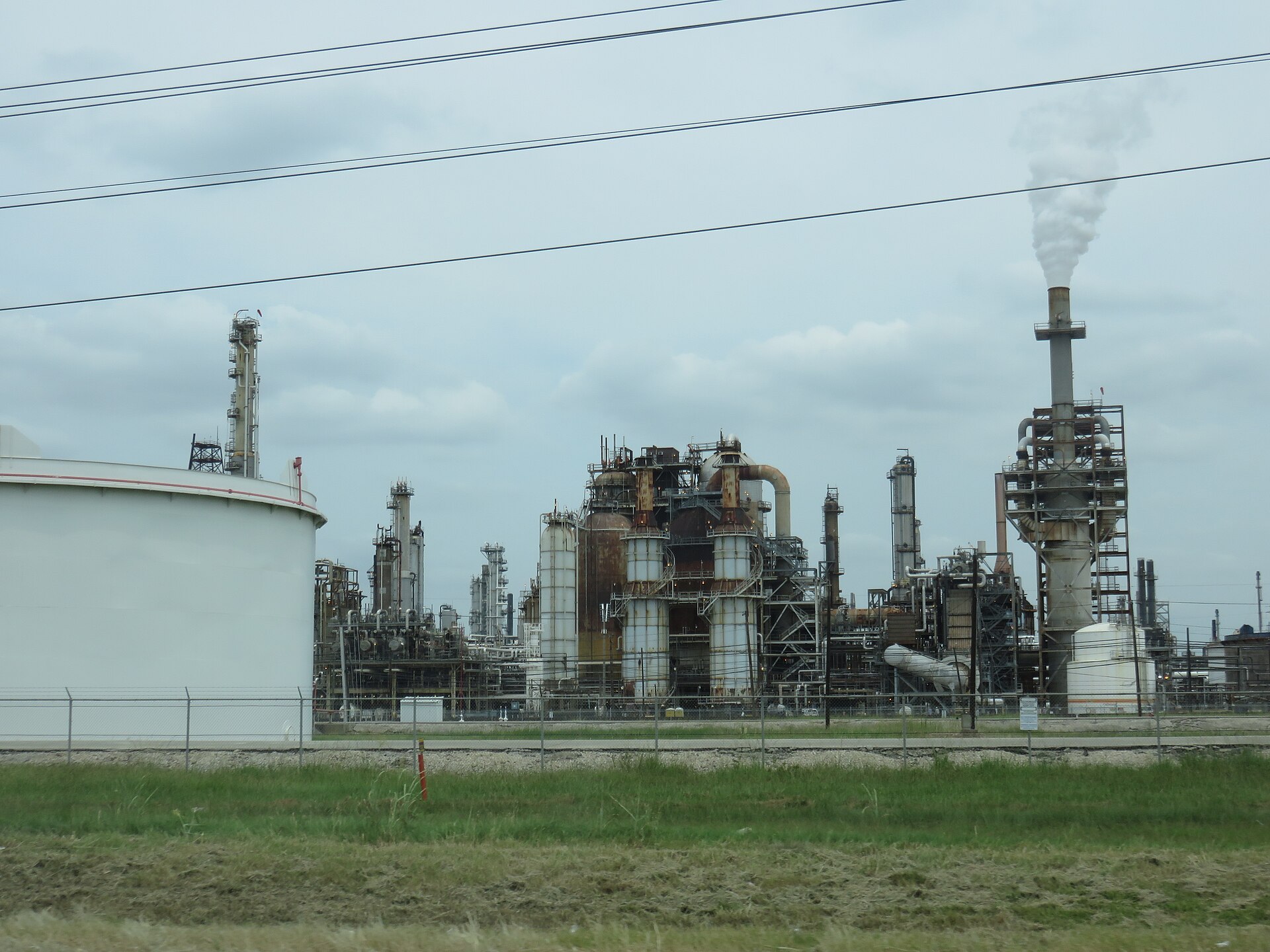

Crude oil refining is the industrial process that separates and converts raw crude oil into usable products such as gasoline, diesel, jet fuel, heating oil, asphalt and petrochemical feedstocks. Crude oil is a mixture of thousands of hydrocarbons, and it has little direct use until a refinery splits it into fractions and reshapes the heavier ones. This guide explains each step, the main refinery types, what comes out of a barrel and how the economics work.
What Is Crude Oil Refining? A Simple Definition
Refining is a sequence of physical separations and chemical conversions. Crude oil arrives at a refinery from pipelines, tankers or rail, and different crudes behave differently. Light, low-sulfur crudes yield more gasoline and diesel with less processing. Heavy, high-sulfur crudes need more complex equipment to reach the same product slate.
Three broad stages cover almost every refinery:
- Separation: splitting crude into fractions by boiling range.
- Conversion: breaking or rearranging large molecules into more valuable ones.
- Treating and blending: removing impurities such as sulfur and mixing components into finished fuels that meet specifications.
How Crude Oil Refining Works Step by Step
1. Desalting and heating
Crude is first washed to remove salts and water, which would cause corrosion and fouling. It is then heated in a furnace to a high temperature, partly vaporising it.
2. Atmospheric distillation
The heated crude enters a tall distillation column. Lighter components rise and condense near the top, while heavier ones condense lower down. The usual fractions, from lightest to heaviest, are refinery gases, naphtha, kerosene, diesel (gas oil) and a heavy residue that stays at the bottom.
3. Vacuum distillation
The residue is distilled again under vacuum. Lower pressure allows heavy fractions to vaporise at lower temperatures, avoiding thermal breakdown. The result is vacuum gas oil, which feeds conversion units, and a still heavier vacuum residue.
4. Conversion units
Conversion is where much of a refinery’s value is created. Common units include:
- Fluid catalytic cracking (FCC): uses a powdered catalyst at high temperature to crack heavy gas oil into gasoline components and lighter gases.
- Hydrocracking: cracks heavy feeds in the presence of hydrogen and a catalyst, producing high-quality diesel and jet fuel.
- Coking: thermally converts the heaviest residue into lighter liquids and solid petroleum coke.
- Catalytic reforming: reshapes naphtha molecules to raise octane and produces hydrogen as a by-product.
- Alkylation and isomerization: create high-octane gasoline components from light hydrocarbons.
5. Treating and blending
Hydrotreaters use hydrogen to remove sulfur and nitrogen. Finished gasoline and diesel are blended from several streams to meet specifications for octane or cetane, vapour pressure and sulfur content. The sulfur removed is usually converted into elemental sulfur and sold.
Key Types and Technologies of Refineries
Refineries are often grouped by complexity.
| Type | Main units | Typical result |
|---|---|---|
| Topping (hydroskimming) | Distillation, reforming, hydrotreating | Mostly light products plus a lot of fuel oil |
| Cracking | Adds FCC or hydrocracking | Higher gasoline and diesel yield |
| Coking (deep conversion) | Adds coker and residue processing | Little heavy fuel oil, can run heavy crude |
| Integrated petrochemical | Adds steam crackers and aromatics units | Chemical feedstocks alongside fuels |
The Nelson Complexity Index is a common way to compare refineries. A higher number means more conversion capacity relative to basic distillation, and generally a greater ability to process cheaper, heavier crudes into valuable light products.
What Comes Out of a Barrel: Refinery Products
The US Energy Information Administration (EIA) explains that a 42-gallon barrel of crude yields a little over 45 gallons of petroleum products in US refineries, because many processes increase the volume of the liquids produced. In the United States, a barrel typically gives about 19 to 20 gallons of gasoline, roughly 11 to 12 gallons of diesel and heating oil, and around 4 gallons of jet fuel, with the rest going to products such as liquefied petroleum gases, petrochemical feedstocks, asphalt, lubricants and petroleum coke.
The mix differs by region. European and Asian refiners usually favour diesel and jet fuel, while US refiners lean toward gasoline. The main refinery products include:
- Transport fuels: gasoline, diesel, jet fuel, marine fuels.
- Heating and power: heating oil, liquefied petroleum gas, residual fuel oil.
- Industrial materials: asphalt, lubricant base oils, waxes, petroleum coke.
- Petrochemical feedstocks: naphtha, ethane, propane, benzene and other aromatics.
Main Advantages and Limitations
Refining turns an unusable raw material into fuels that power transport and industry, and it creates the building blocks for plastics, fertilisers and medicines. It also concentrates large amounts of energy, jobs and tax revenue in a single place.
The limitations are just as clear:
- Refineries are energy intensive and release carbon dioxide, sulfur and nitrogen oxides, and volatile organic compounds, so they are tightly regulated.
- Plants are designed for a certain type of crude, and a poor match raises costs or reduces yield.
- Capital costs are very high, and margins swing sharply.
- Demand for gasoline in some mature markets is flattening, leaving some sites under pressure.
Costs, Efficiency and the Refinery’s Market Role
A refinery earns money from the difference between the value of products and the cost of crude and energy. Traders often track this with the crack spread, a simplified margin such as the 3-2-1 crack spread, which assumes three barrels of crude yield two barrels of gasoline and one barrel of diesel.
Main cost drivers are crude purchases, natural gas or other fuel for furnaces, hydrogen, catalysts, labour and maintenance. Efficiency improvements come from heat integration, advanced process control and scheduled turnarounds that clean and repair units. Sulfur regulations also shape investment: the International Maritime Organization’s lower sulfur limit for marine fuel, in force since 2020, shifted demand from high-sulfur fuel oil toward low-sulfur marine fuels and diesel-type products.
Leading Countries and Companies in Refining
The United States and China are the two largest refining countries, followed by India and Russia, with large systems also in the Middle East, Europe and South Korea. India’s Jamnagar complex, operated by Reliance Industries, is widely cited as one of the largest single-site refineries in the world, with a capacity above one million barrels per day.
Among the large operators are national oil companies such as Saudi Aramco, Sinopec and CNPC, and international companies including ExxonMobil, Shell, TotalEnergies and Valero, which is a large independent refiner in the United States. Capacity has been moving toward Asia and the Middle East, while older sites in parts of Europe and North America have closed or been converted.
Future Outlook for Crude Oil Refining
The industry is adapting in several ways:
- Integration with petrochemicals, so more crude ends up as chemicals rather than fuels.
- Production of renewable diesel and sustainable aviation fuel in converted units or co-processing.
- Lower-carbon hydrogen, carbon capture and electrification of heat to reduce site emissions.
- Digitalisation for predictive maintenance and optimisation.
Policy, fuel demand and local economics will decide which plants prosper and which close.
Frequently Asked Questions About Crude Oil Refining
What is the first step in refining crude oil?
Desalting and heating, followed by atmospheric distillation, which separates the crude into fractions by boiling range.
Why does a refinery need conversion units?
Distillation alone produces too much heavy material for market demand. Conversion units break it into lighter, more valuable fuels.
What is the difference between light and heavy crude in refining?
Light crude gives more gasoline and diesel directly, while heavy crude produces more residue and needs deeper conversion.
What does a refinery produce besides fuel?
Asphalt, lubricant base oils, petroleum coke, sulfur, and feedstocks for plastics and other chemicals.
Can refineries process renewable feedstocks?
Yes. Many sites are adding units or modifying existing ones to process vegetable oils and waste fats into renewable diesel and aviation fuel.
Conclusion
Crude oil refining is a chain of separation, conversion and treating steps that turns a variable raw material into the fuels and chemicals modern economies depend on. Its profitability depends on matching the right crude to the right plant and on stable product demand, and its future depends on cleaner operations and a broader product slate. Understanding the steps makes it easier to follow news on margins, closures and fuel prices.
Sources and further reading
- US Energy Information Administration, oil and petroleum products explained (eia.gov)
- International Energy Agency, oil market and refining reports (iea.org)
- International Maritime Organization, marine fuel sulfur rules (imo.org)
- Reliance Industries, Jamnagar refinery information (ril.com)