ExxonMobil Company Profile: Business, History and Strategy
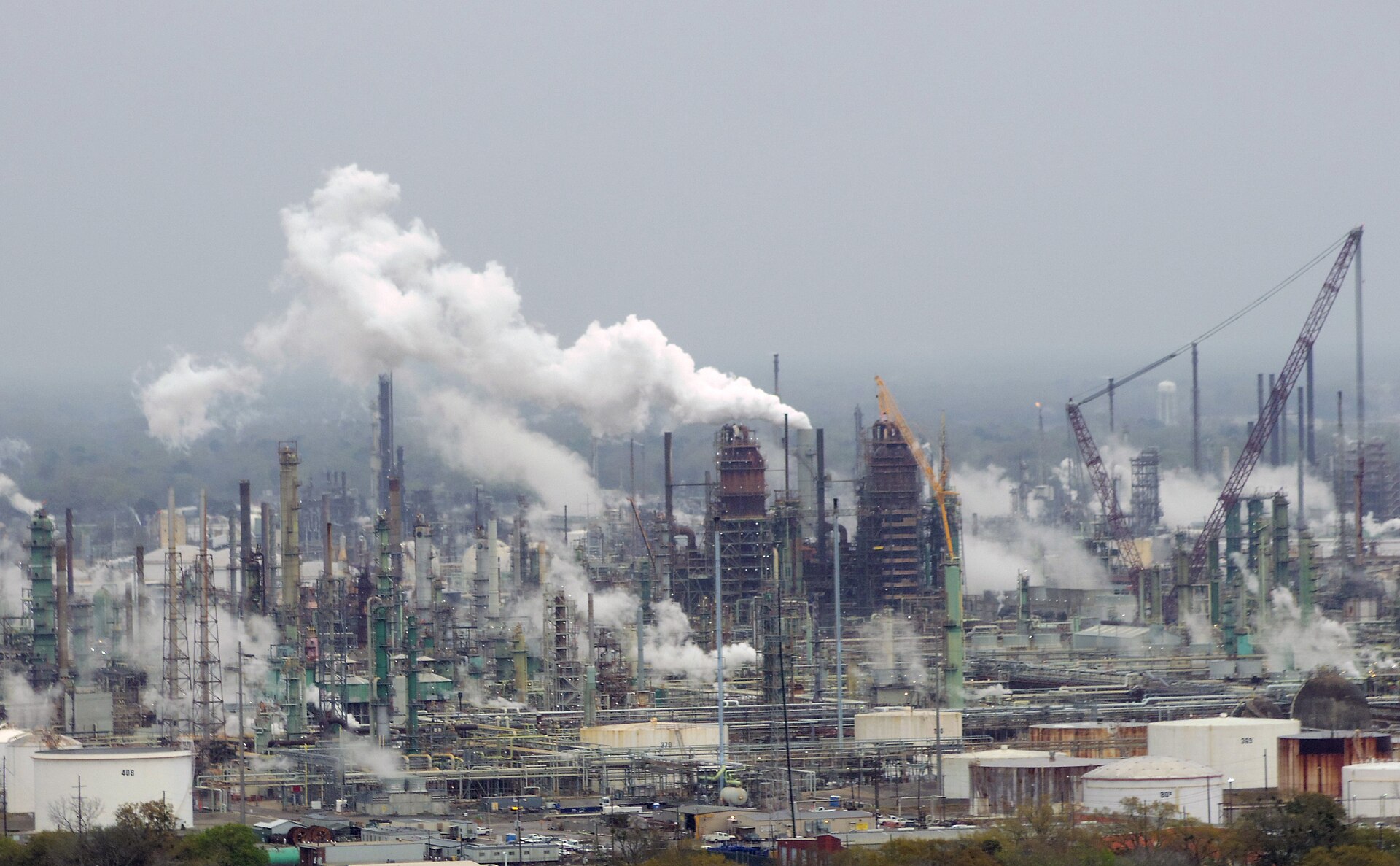

ExxonMobil is one of the world’s largest publicly traded energy companies, producing oil and natural gas, refining fuels and making chemicals on several continents. It traces its roots to John D. Rockefeller’s Standard Oil, and it took its current form through the merger of Exxon and Mobil. This profile covers the company’s history, how it makes money, where its major assets are and how it positions itself in a changing energy market.
ExxonMobil at a Glance
- Type: publicly traded company, listed on the New York Stock Exchange under the ticker XOM.
- Headquarters: Spring, Texas, in the Houston area, after moving from Irving, Texas.
- Business lines: upstream oil and gas, energy products (refining and fuels), chemical products, specialty products and low carbon solutions.
- Ownership: widely held, with large institutional shareholders. It is not state-owned.
- Official information: annual reports and filings are available at corporate.exxonmobil.com and through the US Securities and Exchange Commission.
ExxonMobil History and Ownership
The company’s story begins with Standard Oil, which the US Supreme Court ordered broken up in 1911. Two of the successor companies matter here: Standard Oil of New Jersey, which later became Exxon, and Standard Oil Company of New York (Socony), which evolved into Mobil. The Esso brand was used in many markets, and Exxon became the corporate name in the early 1970s.
Exxon and Mobil announced their merger in late 1998, and the combined company, Exxon Mobil Corporation, was formed in 1999. The deal reunited two of the largest pieces of the old Standard Oil empire.
Later milestones
- The purchase of XTO Energy added a large position in US unconventional gas.
- The acquisition of Denbury, completed in late 2023, brought carbon dioxide pipelines and storage-related assets that support the company’s low-carbon plans.
- The acquisition of Pioneer Natural Resources, announced in late 2023 and completed in 2024, significantly expanded the company’s footprint in the Permian Basin.
ExxonMobil also holds a majority stake in Imperial Oil in Canada, which operates oil sands, refining and retail businesses.
Core Business and Revenue Drivers
ExxonMobil describes its operations in several segments. The ExxonMobil business segments are best understood as a chain that runs from the wellhead to consumer products.
Upstream
The upstream segment finds and produces crude oil, natural gas and natural gas liquids. Results depend heavily on commodity prices and on production volumes from high-return assets.
Energy Products
This segment covers refining and the sale of fuels such as gasoline, diesel, jet fuel and marine fuel. Earnings follow refining margins, which reflect the spread between crude costs and product prices.
Chemical Products and Specialty Products
Chemical Products makes polyethylene, polypropylene and other petrochemicals used in packaging, vehicles and construction. Specialty Products includes lubricants, basestocks and other higher-value products, including the Mobil-branded lubricants known to many drivers.
Low Carbon Solutions
Created as a separate business in 2021, this unit focuses on carbon capture and storage, hydrogen and other lower-emission activities, including a lithium project in the United States. These activities are still small compared with oil and gas, and the company links their growth to supportive policy and customer demand.
Key Assets, Projects and Markets
ExxonMobil operates in many countries, but a handful of positions shape its outlook.
| Area | Why it matters |
|---|---|
| Permian Basin, United States | Large unconventional oil position strengthened by the Pioneer acquisition |
| Guyana (Stabroek Block) | Offshore discoveries developed with partners, a major source of low-cost growth |
| Qatar and Mozambique LNG | Participation in liquefied natural gas supply for global buyers |
| US Gulf Coast (Baytown, Beaumont, Baton Rouge) | Integrated refining and chemical complexes |
| Singapore | Large refining and petrochemical hub serving Asian markets |
| Canada (Imperial Oil) | Oil sands, refining and retail network |
The company also holds a stake in the Golden Pass LNG export project on the US Gulf Coast, developed with QatarEnergy.
Why Guyana and the Gulf Coast stand out
In Guyana, ExxonMobil’s subsidiary operates the Stabroek Block, where the first major discovery came in 2015 and the first production started with the Liza development at the end of 2019. Several floating production vessels have followed. Offshore developments of this kind take years to build, but once running they can produce large volumes at relatively low unit cost.
On the Gulf Coast, the Baytown site combines a refinery with chemical plants, so streams from one unit can feed another. This integration is a central part of the company’s cost advantage in downstream and chemicals, because shared utilities, pipelines and storage reduce handling and transport costs.
ExxonMobil Financial Performance and Scale
ExxonMobil’s financial results swing with oil and gas prices. In 2020, when demand collapsed during the pandemic, the company reported a large net loss, and it was removed from the Dow Jones Industrial Average that year. In 2022, when prices spiked, it reported a record annual profit of about $55.7 billion. The contrast shows how dependent even a diversified major is on the commodity cycle.
The company’s integration is meant to soften these swings. Refining and chemicals margins can offset weak upstream prices and vice versa, though not always completely. For up-to-date revenue, profit, capital spending and shareholder return figures, read the latest annual report and Form 10-K rather than relying on secondary summaries.
ExxonMobil Strategy and the Energy Transition
The company’s strategy rests on a few stated priorities: lower-cost upstream growth in advantaged assets, higher-value products in refining and chemicals, structural cost reduction and lower-emission businesses.
- Advantaged upstream: focus on the Permian, Guyana and LNG, where costs and returns compare well with the industry.
- Product solutions: shift toward higher-value chemicals and specialty products.
- Carbon capture and storage: use of the Denbury pipeline network and Gulf Coast geology to offer storage services to industrial emitters.
- Hydrogen: planned low-carbon hydrogen production linked to carbon capture, dependent on policy support and customer commitments.
Critics argue that the company is moving more slowly than European peers on renewables, while supporters point to its focus on technologies that suit its existing skills. Both views are part of the debate about how oil majors should handle the transition, and investors weigh them differently.
Jobs and Careers at ExxonMobil
The company recruits petroleum, chemical, mechanical and electrical engineers, geoscientists, data scientists, finance and supply chain professionals, and technicians. Entry routes include graduate and internship programmes, and experienced hires join operating and technical roles around the world. Candidates should apply through the careers section of the official corporate website and be cautious about unofficial job offers that ask for payment.
Frequently Asked Questions About ExxonMobil
Is ExxonMobil a state-owned company?
No. ExxonMobil is a publicly listed company owned by shareholders, mostly institutions and index funds.
When was ExxonMobil formed?
The merger of Exxon and Mobil was completed in 1999, creating Exxon Mobil Corporation.
What are ExxonMobil’s main businesses?
Upstream oil and gas, energy products, chemical products, specialty products and low carbon solutions.
What is the connection with Standard Oil?
Exxon and Mobil both descend from companies created when Standard Oil was broken up in 1911.
Does ExxonMobil invest in renewable energy?
Its low-carbon investments focus mainly on carbon capture and storage, hydrogen and lithium, rather than large wind and solar portfolios.
Conclusion
ExxonMobil combines upstream production, refining and chemicals in one integrated business, and its history runs directly back to the original Standard Oil. Its future depends on keeping costs low in advantaged assets such as the Permian and Guyana while building lower-carbon activities that can earn acceptable returns. For anyone researching the company, the annual report and regulatory filings remain the most reliable sources for current numbers.
Sources and further reading
- ExxonMobil corporate website, annual reports and press releases (corporate.exxonmobil.com)
- US Securities and Exchange Commission, company filings and Form 10-K (sec.gov)
- US Energy Information Administration, refining and production background (eia.gov)
- Imperial Oil, company information (imperialoil.ca)