Reservoir Engineer Salary and Career Path
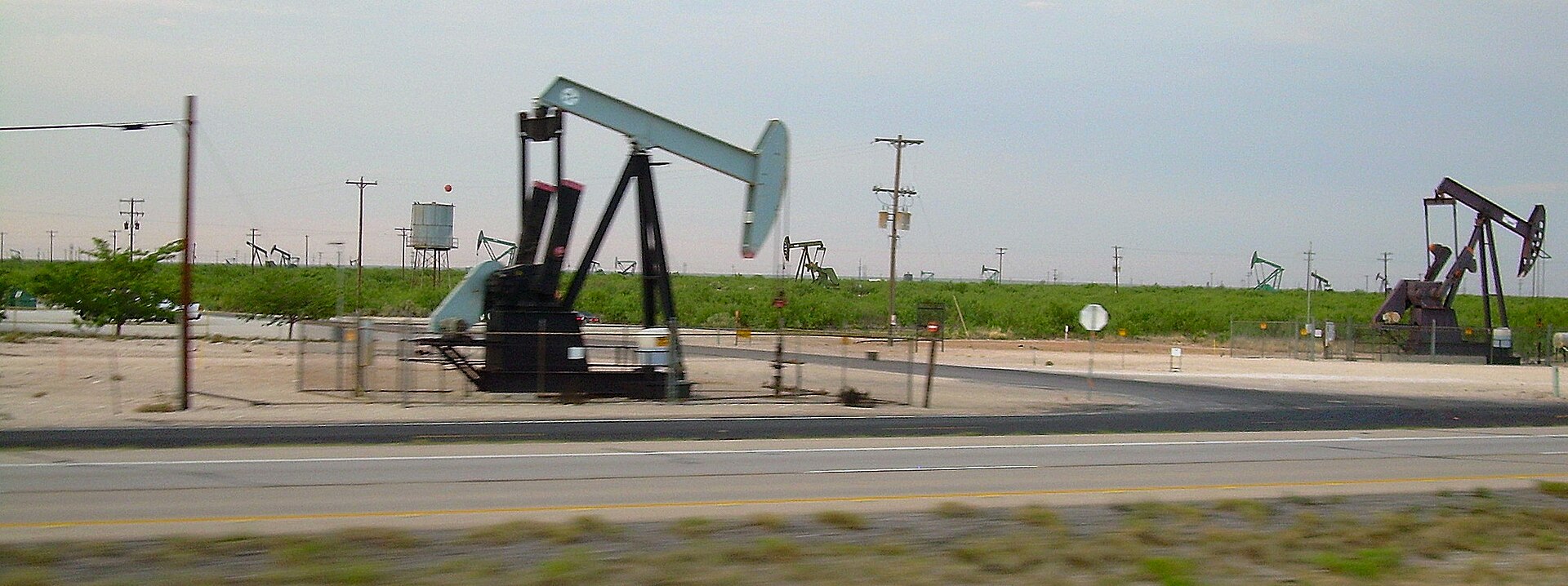

A reservoir engineer salary is among the strongest in the oil and gas industry, and it rises quickly once an engineer can show a track record of reserves estimates and production forecasts that held up. Exact pay depends on the employer, the country and the cycle of oil prices, so no single number applies everywhere. This guide explains what reservoir engineers earn relative to other engineers, which factors move pay up or down, and how the career usually progresses.
Reservoir Engineer Salary: Quick Answer
Reservoir engineers are usually counted within the wider petroleum engineering profession. The US Bureau of Labor Statistics (BLS) reported a median annual wage of about $132,000 for petroleum engineers in May 2023, which placed the occupation among the best-paid engineering fields in the United States. The BLS updates this figure every year, so check the Occupational Outlook Handbook for the latest release before quoting it.
Three points are worth keeping in mind:
- Base pay is only part of the package. Bonuses, allowances, housing and rotation premiums can be a large share of total compensation, especially abroad.
- Pay is cyclical. Hiring and bonuses tighten when oil prices fall and recover when they rise.
- A reservoir engineer at a national oil company, an international major and a small independent can see very different offers for the same level of experience.
What a Reservoir Engineer Actually Does
A reservoir engineer estimates how much oil and gas a field holds, how fast it can be produced and how to recover more of it. The work sits between geoscience, drilling and production, and it directly affects investment decisions, which is one reason the job pays well.
Typical tasks include:
- Analysing fluid properties (PVT data), rock properties and pressure behaviour.
- Building and history-matching reservoir simulation models.
- Forecasting production and running decline curve analysis.
- Estimating reserves under a recognised framework such as SPE-PRMS.
- Designing waterflood, gas injection or enhanced oil recovery (EOR) schemes.
- Supporting well placement and development plans with geologists and drilling engineers.
Average Pay by Experience Level
Public sources rarely publish pay for reservoir engineers as a separate category, and published salary surveys differ in method. The table below therefore describes how responsibility and pay drivers change with seniority rather than quoting invented figures. For numbers, use the BLS, the salary survey of the Society of Petroleum Engineers (SPE) and recruiter reports for your region.
| Career stage | Typical scope | What pushes pay up |
|---|---|---|
| Graduate / junior | Data preparation, simple models, well reviews | Strong simulation and data skills, internship record |
| Mid-level | Field studies, forecasts, reserves updates | Ownership of a full asset model, proven forecast accuracy |
| Senior | Development plans, EOR screening, mentoring | Experience with complex or offshore fields, EOR expertise |
| Principal / manager | Asset strategy, reserves sign-off, budgets | Commercial judgement, team size, asset value |
What Drives a Reservoir Engineer Salary?
Several factors explain why two engineers with the same degree can earn very different amounts.
Employer type
International majors and large national oil companies tend to offer structured pay scales and benefits. Independents may offer a lower base but more bonus or equity upside tied to performance. Consultancies and service companies often pay by project and utilisation.
Asset complexity
Offshore, deepwater, unconventional and EOR projects demand rarer skills. Engineers who have managed such assets are harder to replace and usually negotiate from a stronger position.
Technical specialisation
Skills in numerical simulation, uncertainty analysis, machine learning for production data and reserves auditing are in demand. A recognised professional licence, where the jurisdiction offers one, can also support higher pay.
Location and rotation
Overseas postings and field-based rotations often carry allowances, housing and tax arrangements that raise total compensation compared with a home-office role in the same company.
Reservoir Engineer Salary by Region and Employer Type
Regional differences come from local cost of living, tax rules and the structure of the industry.
- North America: a large independent sector and an active unconventional industry mean frequent hiring, with pay that follows drilling activity. Houston, Calgary and Midland are the main hubs.
- Gulf region: national oil companies and their service partners hire reservoir engineers for large, long-life fields. Packages often include housing and schooling allowances. Job boards such as GulfTalent and Naukrigulf publish market data you can use to compare roles.
- Europe and the North Sea: mature basins focus on life extension and decommissioning decisions, with a steady demand for engineers who can squeeze more from ageing fields.
- Africa, Asia and Latin America: pay varies widely, and expatriate packages from international companies can differ sharply from local national scales.
When you compare offers across countries, look at net income after tax, allowances, cost of living and benefits, not only the headline base salary.
Skills, Education and Career Path
Most reservoir engineers hold a bachelor’s degree in petroleum engineering. Chemical, mechanical, civil and geoscience graduates also enter the field, often with a master’s degree in petroleum or reservoir engineering. Employers screen for strong fundamentals in fluid flow, thermodynamics and statistics.
Core reservoir engineer skills
- Reservoir simulation using industry packages such as Petrel, ECLIPSE, INTERSECT, CMG or tNavigator.
- Material balance, decline analysis and well test interpretation.
- Data handling with Python, SQL or similar tools, which is increasingly expected.
- Clear communication, because forecasts must be defended to managers, partners and auditors.
A typical progression
- Graduate programme with rotations through reservoir, production and drilling teams.
- Reservoir engineer on a single field or asset.
- Senior reservoir engineer leading studies and reserves reporting.
- Lead or principal engineer, or asset manager responsible for a business unit.
- Alternative routes into reserves auditing, consulting, business development or technical management.
Professional bodies such as the SPE provide training, conferences and publications that help engineers build a network and keep skills current.
Job Outlook and Demand for Reservoir Engineering Jobs
Demand for reservoir engineering jobs follows capital spending in upstream oil and gas. When companies increase drilling and field development, hiring picks up. When prices drop, projects slow down and teams shrink. Over the long run the profession is shifting rather than disappearing: mature fields need optimisation, and the same subsurface skills apply to carbon capture and storage, geothermal energy and hydrogen storage.
Engineers who combine classic reservoir skills with data science or CCS experience are better placed to move between oil and gas and newer energy projects. The BLS publishes an employment projection for petroleum engineers, which is a useful reference, but remember that global demand also depends on regions outside the United States.
How to Increase Your Earning Potential
- Take on a full field study early, from data review to forecast.
- Gain experience in EOR, offshore or unconventional assets.
- Learn programming so you can automate analysis and work with large production datasets.
- Record your results, for example forecast accuracy and reserves updates you supported.
- Compare offers using several sources and ask about bonus structure, allowances and training.
Frequently Asked Questions About Reservoir Engineer Salary
Do reservoir engineers earn more than other petroleum engineers?
Not always. Reservoir engineers are paid in a similar range to drilling and production engineers, but their influence on reserves and investment decisions can lead to faster progression at some companies.
Where can I find reliable salary data?
Start with the BLS Occupational Outlook Handbook, the SPE salary survey, regional recruiters and job boards such as GulfTalent. Treat any single figure with caution, because definitions and sample sizes differ.
Does a master’s degree increase pay?
A master’s degree can help with entry into the profession and with technical roles, but experience and demonstrated results usually matter more after the first few years.
Is it still a good career with the energy transition?
Subsurface expertise is transferable to geothermal, carbon storage and hydrogen storage, so many engineers see a broader field of opportunities than oil and gas alone.
Which software should I learn first?
Learn the fundamentals first, then one major simulator and a scripting language such as Python. Employers value the ability to explain a model more than familiarity with a single tool.
Conclusion
The reservoir engineer salary reflects the value of getting subsurface decisions right: strong, cyclical and highly dependent on employer, location and asset type. If you enjoy quantitative problem solving and are comfortable with an industry that moves with oil prices, the career offers clear progression, international options and skills that carry into newer energy fields. Verify current figures from official and industry sources before making a decision.
Sources and further reading
- US Bureau of Labor Statistics, Occupational Outlook Handbook, petroleum engineers (bls.gov)
- Society of Petroleum Engineers, salary survey and PRMS resources (spe.org)
- GulfTalent, Gulf region salary and hiring reports (gulftalent.com)
- Naukrigulf, Gulf job market data (naukrigulf.com)