QatarEnergy Signs 20-Year Deal for Up to 3 mtpa of US LNG From Woodside’s Louisiana Project

QatarEnergy has signed a 20-year deal to buy up to 3 million tonnes per annum (mtpa) of liquefied natural gas from Woodside Energy’s Louisiana LNG project, giving the Qatari state producer another long-dated foothold in US Gulf Coast supply as it works to diversify away from cargoes that must transit the Strait of Hormuz.
Under the agreement, Woodside will supply the LNG free-on-board, with deliveries starting at the start-up of the project’s second liquefaction train and rising to the full 3 mtpa once a third train comes online. Woodside, which is developing Louisiana LNG near Lake Charles in Calcasieu Parish, took its final investment decision on the three-train, 16.5 mtpa project in April 2025 and is targeting first LNG in 2029. The site is fully permitted for 27.6 mtpa, leaving room for two additional trains beyond the three now under construction. Woodside is supplying the QatarEnergy volumes from its own share of the project’s offtake, known as HoldCo volumes.
Woodside chief executive Liz Westcott called the agreement “a strong vote of confidence in Louisiana LNG,” saying the contract “provides sustained revenue certainty for a material portion of Louisiana LNG production.” Neither company disclosed pricing.
The latest in a run of US offtake deals
The Woodside agreement follows a fast sequence of US supply commitments for QatarEnergy. Days earlier, the producer signed a separate long-term deal with Cheniere Energy covering 4 mtpa of US LNG through 2054, and QatarEnergy has also been reported to be in advanced talks with Venture Global for at least 3 mtpa more. Taken together, the deals mark a shift in strategy for the world’s largest LNG exporter, which has relied overwhelmingly on its own North Field expansion to grow supply and has used spot purchases of US cargoes to plug gaps opened by disruption to shipping through the Strait of Hormuz.
That pattern fits a broader pivot in global gas contracting this year: buyers and sellers alike have been locking in 20-year-plus terms at a pace not seen since the aftermath of the 2022 energy crisis. Canada’s Ksi Lisims LNG signed its own 20-year supply contract with Germany’s SEFE earlier this year, part of a wave of long-term agreements buyers are using to lock in supply security as new liquefaction capacity comes online through the end of the decade.
Why Qatar is buying into the US Gulf Coast
QatarEnergy’s push into US supply contracts has an unusually direct security logic behind it. Disruption to tanker traffic through the Strait of Hormuz, the single route out of Qatar’s North Field LNG terminals, has already added tens of billions of dollars to the cost of global LNG this year, according to Rystad Energy, and left Qatar relying on spot cargoes of non-Qatari gas to cover contracted deliveries when its own exports were delayed or rerouted. A long-term stake in Gulf Coast supply, which ships out of Louisiana rather than through Hormuz, gives QatarEnergy a hedge that does not depend on the strait staying open, at the cost of ceding first claim on a portion of Woodside’s own production rather than its own.
For Woodside, the deal provides a second anchor customer for Louisiana LNG alongside its April 2025 gas supply agreement for the project, reducing the commercial risk on a facility that is still roughly four years from its first cargo. The contract also keeps QatarEnergy’s buying spree moving at a pace that has made it one of the most active LNG counterparties in the US market this year, alongside its earlier Cheniere agreement.
Sources: Offshore Energy, “QatarEnergy locks in more US LNG through 20-year deal with Woodside,” 29 October 2026, https://www.offshore-energy.biz/2026/10/29/qatarenergy-locks-in-more-us-lng-through-20-year-deal-with-woodside (deal terms, volumes, Woodside CEO quote); Reuters, reported via BOE Report, 23 October 2026, “Top LNG exporter QatarEnergy in talks to buy US LNG from Woodside’s Louisiana plant” (background on the preceding talks); Rystad Energy data on Hormuz-related LNG cost impact, as reported by The Daily Energy, 25 October 2026.
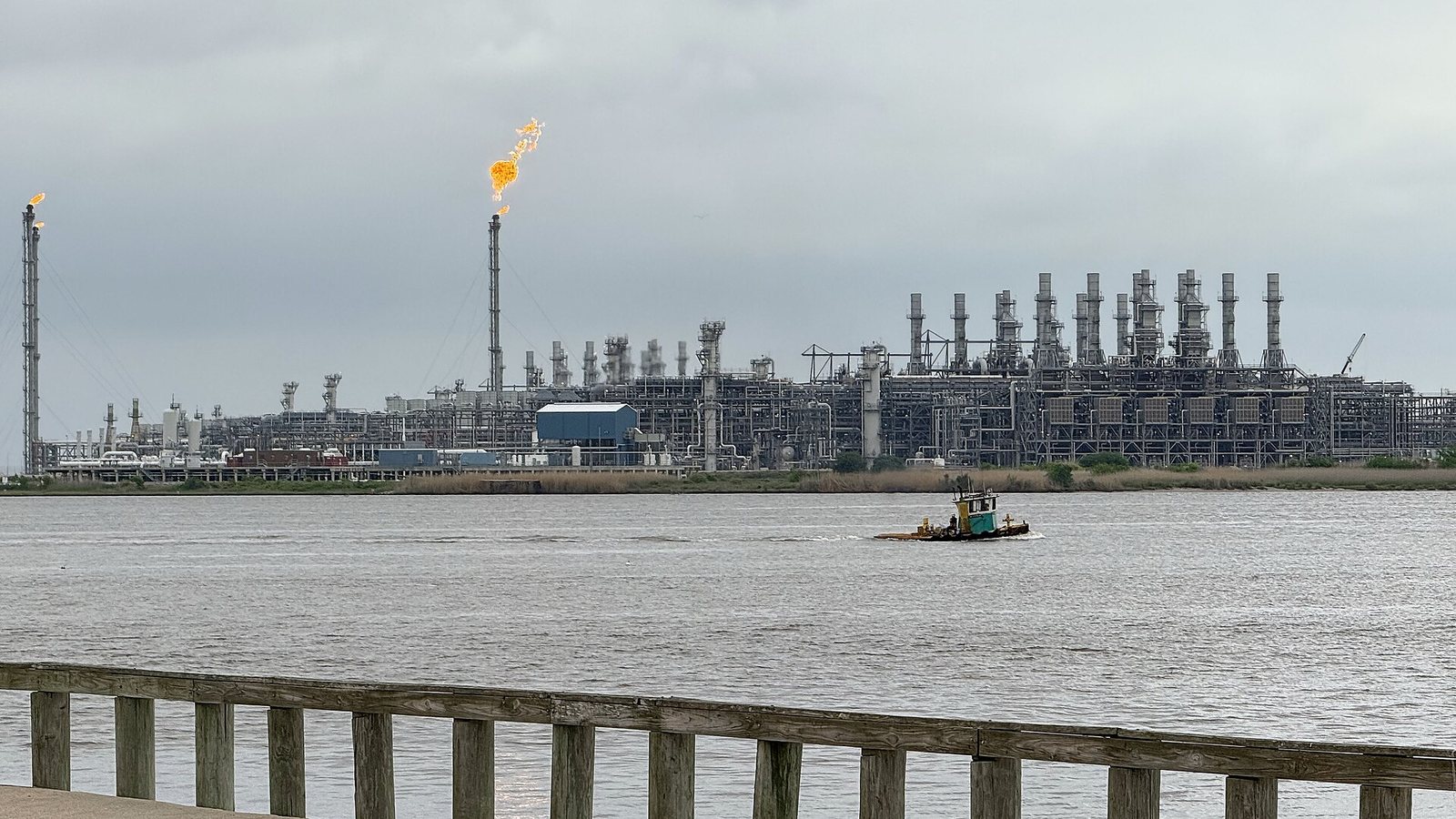
Illustrative image. Photo: Quintin Soloviev, CC BY 4.0, via Wikimedia Commons — source