Global Energy Monitor tracks 11,757 energy facilities in Japan, including power plants with 253.7 GW of operating generating capacity. A further 6.44 GW is under construction and 45.9 GW is in planning stages.
Japan has 253.7 GW of operating power generation capacity across 11,349 plants in the Global Energy Monitor dataset. Oil & gas is the largest source, with 99.2 GW or 39% of the total. It is followed by coal (21%) and hydropower (16%).
Low-carbon sources — nuclear, hydropower, wind, solar, geothermal and bioenergy — make up 40% of operating capacity, while coal, oil and gas account for 60%. Wind and solar alone represent 16%.
A further 6.44 GW of generating capacity is under construction, led by nuclear (4.55 GW). Another 45.9 GW is announced, proposed or in pre-construction.
Beyond power generation, the map covers 91 gas pipeline projects (about 3,399 km in operation), 1 oil and NGL pipelines, 45 LNG terminals (242.2 mtpa import capacity in operation), 1 oil and gas fields (1 producing) and 1 coal mines in Japan.
How much power generation capacity does Japan have?
Global Energy Monitor tracks 253.7 GW of operating power plant capacity in Japan, counting plants of all technologies above the trackers' size thresholds.
What is the largest power plant in Japan?
The largest power plant in Japan in the dataset is Futtsu thermal power station, a 5.33 GW oil & gas plant.
What share of Japan's power capacity is renewable?
Renewables — hydropower, wind, solar, geothermal and bioenergy — make up about 34% of operating power capacity in Japan. Note that shares of capacity differ from shares of electricity generated, because technologies run for different numbers of hours.
Does Japan have nuclear power plants?
Yes. Japan has 9 operating nuclear power plants with a combined 14.6 GW of capacity. A further 4.55 GW is under construction.
Does Japan have LNG terminals?
Yes. The dataset lists 45 LNG terminal projects in Japan. Operating import capacity: 242.2 mtpa.


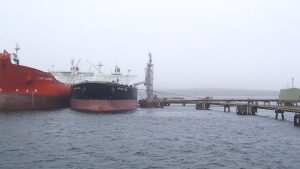 Saudi Arabia Expands Oil Storage in Japan as Tokyo Restocks Reserves
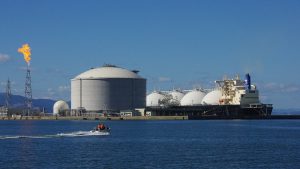 Japan’s Trade Deficit Nearly Doubles as Hormuz Crisis Inflates Energy Bill
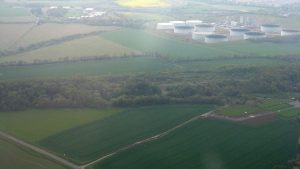 Japan Urges Asia to Build Bigger Oil Reserves as Middle East Risks Mount
 Japan Narrows Solar Subsidies to Rooftops, Carports and Public Land