Russia Extends Jet Fuel Export Ban to Late March 2027 as Refinery Strikes Continue

Russia has extended its ban on jet fuel exports by roughly four months, pushing the cutoff from November 30, 2026 to the end of March 2027, according to multiple outlets including Bloomberg and The Moscow Times, which cited Russian officials and government statements on Thursday. The extension follows a renewed wave of Ukrainian drone strikes on Russian refineries, several of which have been hit more than once in the past week, including the Novoshakhtinsk plant in Rostov region, which outlets including the Kyiv Independent and Ukrainska Pravda reported was attacked again overnight into Saturday.
Russia’s First-Ever Jet Fuel Export Ban, Extended
Moscow imposed its first outright ban on jet fuel exports on June 1, 2026, with the measure originally due to expire at the end of November. The government said at the time the step was meant to ensure stability in the domestic fuel market, with exemptions for cargoes already placed under customs procedures before the ban took effect and for supplies made under intergovernmental agreements. Thursday’s extension, reported consistently across Russian, Ukrainian and international outlets as running to the end of March 2027, marks the second time Moscow has prolonged the restriction; one outlet, Quantum Commodity Intelligence, reported an April 2027 end date, a discrepancy that has not been independently resolved as of publication.
A Separate Timeline From Gasoline and Diesel
The jet fuel ban runs on a different clock than Russia’s restrictions on gasoline and diesel exports. Deputy Prime Minister Alexander Novak said in July that the government would extend the gasoline export ban through the end of 2026, while diesel restrictions would be lifted “as the market recovers.” A government decree signed July 30 formally extended both the gasoline and non-diesel-producer diesel export bans to January 31, 2027, a separate deadline from the jet fuel measure now extended to March.
Refinery Strikes Behind the Extension
Ukraine has targeted Russian refining capacity throughout the war, and Reuters has reported that strikes have hit eight of Russia’s ten largest refineries at various points. The pattern has continued through late November: Ukrainian officials and state media reported fresh strikes and fires at the Novoshakhtinsk refinery for a second time within a week, alongside a reported attack on the Samara oil-pumping station. The Daily Energy previously reported on earlier Ukrainian strikes that knocked out refining capacity at Perm and Rostov. Even so, The Daily Energy reported this month that Russian crude exports had hit a four-month high even as the refinery strikes continued, underscoring that the strikes have weighed more heavily on refined-product output than on crude loadings. Russian authorities have not published refinery-by-refinery damage or output figures, and claims from both sides about the scale of strikes and their effect on fuel supply could not be independently verified.
Why It Matters for Global Jet Fuel Markets
Even with exemptions for intergovernmental supply deals, a four-month extension of Russia’s jet fuel export ban removes a source of supply from international markets through the first quarter of 2027, a period that typically sees firm aviation fuel demand in the Northern Hemisphere. Some analysts have suggested the restriction could create an opening for refiners in other jurisdictions, including Nigeria’s Dangote refinery, to compete for aviation fuel buyers that had sourced from Russia. Russia’s own airports have reportedly faced refueling constraints linked to the domestic jet fuel shortage that prompted the ban in the first place, though the extent of those disruptions has not been confirmed by Russian aviation authorities.
Sources
- Bloomberg and The Moscow Times, reporting on Russia’s extension of its jet fuel export ban to the end of March 2027, November 27, 2026 — extension timeline, link to refinery strikes.
- Kyiv Independent and Ukrainska Pravda, reporting on renewed Ukrainian drone strikes on the Novoshakhtinsk refinery and the Samara oil-pumping station, November 27-28, 2026.
- Reuters, earlier reporting cited across multiple outlets on Ukrainian strikes having hit eight of Russia’s ten largest refineries over the course of the war.
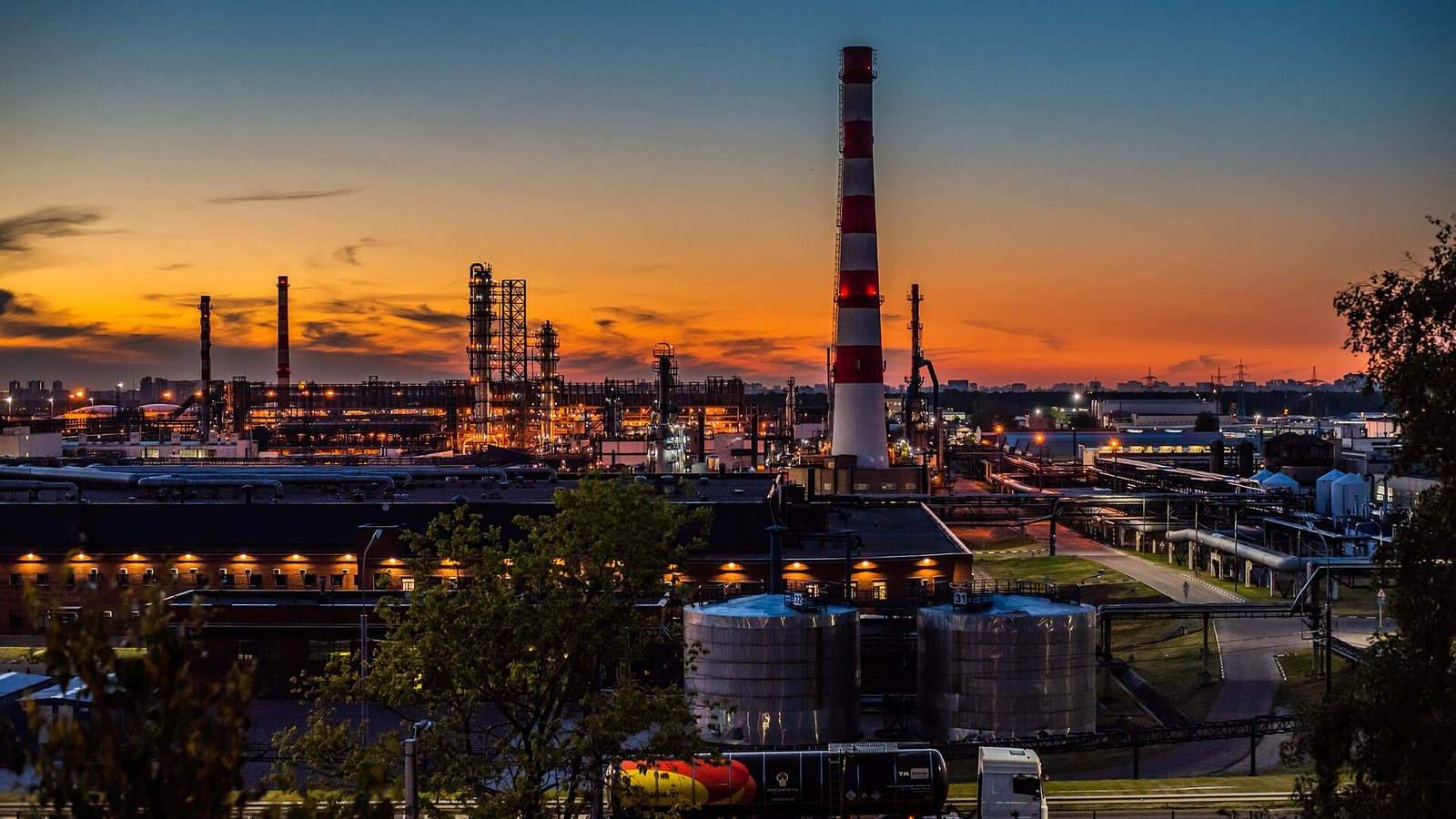
Illustrative image. Photo: kishjar? from Moscow, Russia, CC BY 2.0, via Wikimedia Commons — source