Pipeline Engineer Salary and Required Skills
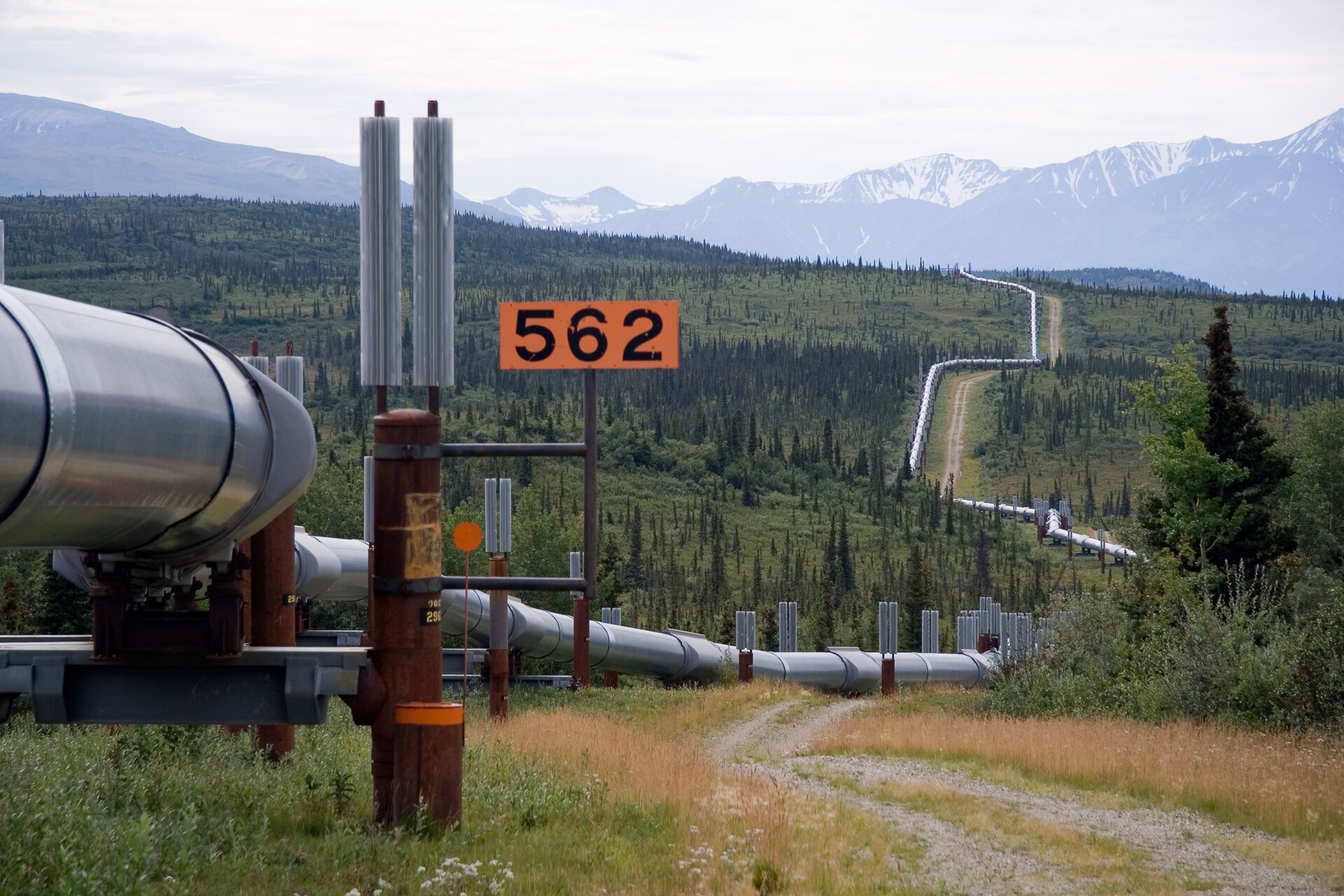

A pipeline engineer salary generally sits in the upper range for engineering jobs, because the work combines design, safety and regulatory responsibility for assets that carry oil, gas or refined products over long distances. No official agency publishes one number for this exact job title, so pay has to be read from related occupations and from the factors that move offers up or down. This guide explains what pipeline engineers earn relative to peers, what shapes pay, and which skills lead to the best roles.
Pipeline Engineer Salary: Quick Answer and Key Numbers
Pipeline engineers are not counted as a separate group in most national statistics. In the United States, the Bureau of Labor Statistics (BLS) groups them under broader engineering categories. For May 2023, the BLS reported a median annual wage of roughly $132,000 for petroleum engineers and roughly $100,000 for mechanical engineers. Pipeline roles draw from both groups, plus civil, chemical and materials engineers, so real offers usually fall between those two reference points and can exceed them for specialist or senior posts.
Three points matter before comparing any figure:
- Published averages mix junior and senior staff, offshore and office roles, and different countries. Treat them as a starting reference, not a quote.
- Base salary is often only part of pay. Field allowances, rotation premiums, housing, bonuses and overtime can change the total package substantially.
- BLS figures are revised every year. Always check the latest Occupational Outlook Handbook release before using a number.
Average Pay by Experience Level
Instead of inventing precise bands, it is more useful to see how scope and pay drivers change with seniority. Use the BLS, recruiter salary guides and regional job boards to attach local numbers to each stage.
| Career stage | Typical work | What lifts pay |
|---|---|---|
| Graduate / junior | Drawings, route data, calculations, inspection reports | Strong CAD and hydraulics skills, internship experience |
| Mid-level (about 4 to 8 years) | Design packages, integrity assessments, contractor oversight | Code knowledge, ownership of a pipeline segment, certifications |
| Senior / lead | Integrity management programs, regulatory filings, project sign-off | Professional licence, leadership, high-consequence area experience |
| Principal / manager | Asset strategy, budgets, multi-pipeline portfolios | Commercial judgement, budget responsibility, team size |
What Drives Pay in This Role
Several factors explain why two engineers with the same title can earn very different amounts.
Specialisation
A pipeline integrity engineer who manages corrosion, in-line inspection results and repair decisions is usually in higher demand than a generalist. Integrity work is tied directly to safety compliance, so operators value people who can defend their conclusions to a regulator.
Employer type
Operators, engineering consultancies and construction contractors pay differently and offer different benefits. Operators tend to offer stability and structured progression. Contractors and consultancies often pay premiums for project work and travel, but with less predictability.
Location and working pattern
Remote desert, arctic or offshore routes usually carry allowances. Expatriate packages may include housing and flights. Cost of living and taxation also change the real value of any offer.
Qualifications
A professional engineering licence, recognised inspection certificates and documented code experience improve bargaining power, particularly for senior sign-off roles.
Pipeline Engineer Salary by Region and Employer Type
Regional differences are large. North America and the Gulf have long-established pipeline networks and active integrity programs. Europe has dense gas transmission systems and strict safety cultures. Asia, Africa and Latin America are expanding networks, which creates demand but with a wider range of pay.
- North America: regulated by agencies such as the Pipeline and Hazardous Materials Safety Administration (PHMSA) in the US. Pay benchmarks are easiest to verify here through BLS data.
- Gulf region: national oil companies and contractors run large projects. Packages often combine salary with housing and allowances. Check salary surveys from GulfTalent or Naukrigulf for current ranges rather than relying on rumours.
- Europe: transmission system operators and engineering firms hire for gas, hydrogen readiness and ageing-asset programs. Collective agreements and national pay scales influence salary.
- Emerging markets: international contractors often pay more than local employers for comparable roles, which shapes career choices.
When comparing offers across countries, convert to the same currency, compare total packages and consider tax and cost of living, not just the headline salary.
Skills, Education and Career Path
Most pipeline engineers hold a bachelor’s degree in mechanical, civil, chemical, petroleum or materials engineering. Some enter from structural or geotechnical backgrounds. A master’s degree helps for specialist integrity or hydraulics roles but is rarely required.
Technical skills employers look for
- Pipeline design codes such as ASME B31.4 for liquids and ASME B31.8 for gas.
- Steady-state and transient hydraulic modelling, including surge analysis.
- Corrosion control, including coatings and cathodic protection.
- In-line inspection (smart pigging) data interpretation and fitness-for-service assessment.
- Stress analysis for buried and above-ground sections, road and river crossings.
- Geographic information systems (GIS) and route selection.
- Welding and non-destructive testing awareness, including API 1104 for pipeline welds.
Professional skills
Report writing, stakeholder communication and regulatory knowledge matter more as engineers move up. Pipeline projects involve landowners, regulators and environmental specialists, so engineers who can explain technical risk plainly progress faster.
Certifications that help
Certificates do not replace a degree, but they signal practical competence. Inspectors and integrity engineers often hold qualifications in non-destructive testing, cathodic protection or API inspection programs, while project engineers may add a project management credential. In the United States, a Professional Engineer licence is required to sign off many design documents, so it is a clear marker of seniority. Check which credentials your target employer actually asks for in its job adverts, because the list differs by country and by company.
A typical path
- Graduate engineer on a design or integrity team.
- Pipeline engineer owning calculations and reports for a segment or project.
- Senior or integrity engineer signing off assessments and repair plans.
- Technical authority, project manager or asset manager.
Job Outlook and Demand for Pipeline Jobs
Demand for pipeline jobs follows investment in transport infrastructure and the need to maintain existing assets. Ageing networks need continuing inspection, repair and replacement, so integrity work is steady even when new construction slows. New demand comes from gas transmission, hydrogen and carbon dioxide transport studies, and from converting or repurposing existing lines.
The cycle matters. Oil and gas hiring is linked to prices and capital budgets, so pay and openings can tighten in downturns. Engineers with transferable skills in integrity, hydraulics and regulation can move between oil, gas, water and emerging energy carriers more easily than narrow specialists.
Frequently Asked Questions About Pipeline Engineer Salary
Is a pipeline engineer paid more than a mechanical engineer?
Often yes at senior levels, because pipeline roles carry safety and regulatory accountability. Compare like for like, including allowances, since averages can hide large differences.
What affects a pipeline integrity engineer’s pay the most?
Experience with inspection data, corrosion management, regulatory filings and a recognised licence or certification usually have the largest effect, along with the employer and location.
Where can I check current pay?
Use the BLS Occupational Outlook Handbook for the United States, recruiter salary guides and regional job boards elsewhere, and professional bodies such as the Society of Petroleum Engineers for industry surveys.
Do I need a master’s degree?
No. A bachelor’s degree in a relevant engineering field plus practical experience and certifications is the usual route. A master’s helps for specialist technical tracks.
Is the job physically demanding?
Mostly office-based design and analysis, with site visits for inspection, construction supervision and incident response. Remote fieldwork is a trade-off that some engineers find rewarding and others avoid.
Conclusion: Is a Pipeline Career Right for You?
A pipeline engineer salary rewards people who can combine engineering fundamentals with safety discipline and clear communication. Pay is shaped less by the job title than by specialisation, employer, location and credentials, so compare total packages and verify figures against current official or survey sources. If you like infrastructure that must run safely for decades, pipeline engineering offers a stable path with room to specialise in integrity, design or project leadership.
Sources and further reading
- US Bureau of Labor Statistics, Occupational Outlook Handbook (bls.gov)
- Pipeline and Hazardous Materials Safety Administration, PHMSA (phmsa.dot.gov)
- American Society of Mechanical Engineers, ASME B31 piping codes (asme.org)
- American Petroleum Institute standards (api.org)
- Society of Petroleum Engineers (spe.org)
- GulfTalent salary information (gulftalent.com)