Egypt’s Energy Sector: Gas Fields, Power and Solar

The Egypt energy sector is built on natural gas, a large and growing power system, and one of Africa’s fastest expanding solar industries. Egypt is a gas producer, a regional LNG hub, a transit country through the Suez Canal and the SUMED pipeline, and a market of over 100 million people whose electricity demand rises every summer. This overview covers the energy mix, major fields and companies, infrastructure, policy and the main risks.
Egypt Energy Sector: Overview and Key Facts
Egypt is the most populous country in the Arab world, and its energy system reflects the scale and the pressure that comes with it. The state sets policy through the Ministry of Petroleum and Mineral Resources and the Ministry of Electricity and Renewable Energy. State bodies include the Egyptian General Petroleum Corporation (EGPC), the Egyptian Natural Gas Holding Company (EGAS) and the Egyptian Electricity Holding Company.
- Natural gas supplies the largest share of Egypt’s electricity generation and is the backbone of industry and fertiliser production.
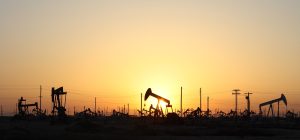
- Oil production is modest and mature, mainly in the Gulf of Suez, the Western Desert and the Nile Delta.
- Hydropower from the Aswan High Dam and other Nile plants supplies a small but valuable part of the grid.
- Solar and wind are the fastest-growing sources, aided by strong resources in Upper Egypt and along the Red Sea.
Egypt’s Energy Mix and Resources
Egypt sits in one of the world’s sunniest regions and has excellent wind conditions near the Gulf of Suez. It also has offshore gas basins in the Eastern Mediterranean and the Nile Delta.
| Source | Role in the system | Notes |
|---|---|---|
| Natural gas | Main fuel for power plants, industry and homes | Domestic output plus pipeline and LNG imports in peak periods |
| Oil | Transport fuel and some power generation | Mature fields; Egypt is a net importer of oil products at times |
| Hydropower | Small share, helps peak supply | Aswan High Dam, with limits set by Nile water management |
| Solar | Rapidly growing | Benban Solar Park and many new projects |
| Wind | Growing | Gulf of Suez and Red Sea corridors |
| Nuclear | Under construction | El Dabaa plant with Russia’s Rosatom |
Major Egypt Energy Sector Companies and Projects
Zohr and the gas boom
The Zohr gas field, discovered by Italy’s Eni in 2015 in Egyptian Mediterranean waters, is among the largest gas discoveries ever made in the Mediterranean. Its development helped Egypt cut LNG imports and achieve a period of gas self-sufficiency. Production at mature fields declines over time, so new drilling and tie-ins are needed to maintain supply. Other international operators active in Egypt include bp, Shell and Apache (as part of APA), alongside Egyptian state companies such as Petrobel.
Power generation
In the mid-2010s Egypt contracted Siemens to build three large combined-cycle plants in Beni Suef, Burullus and the New Administrative Capital, a programme of about 14 gigawatts that was completed in record time and eased the severe blackouts of earlier years.
Solar and wind
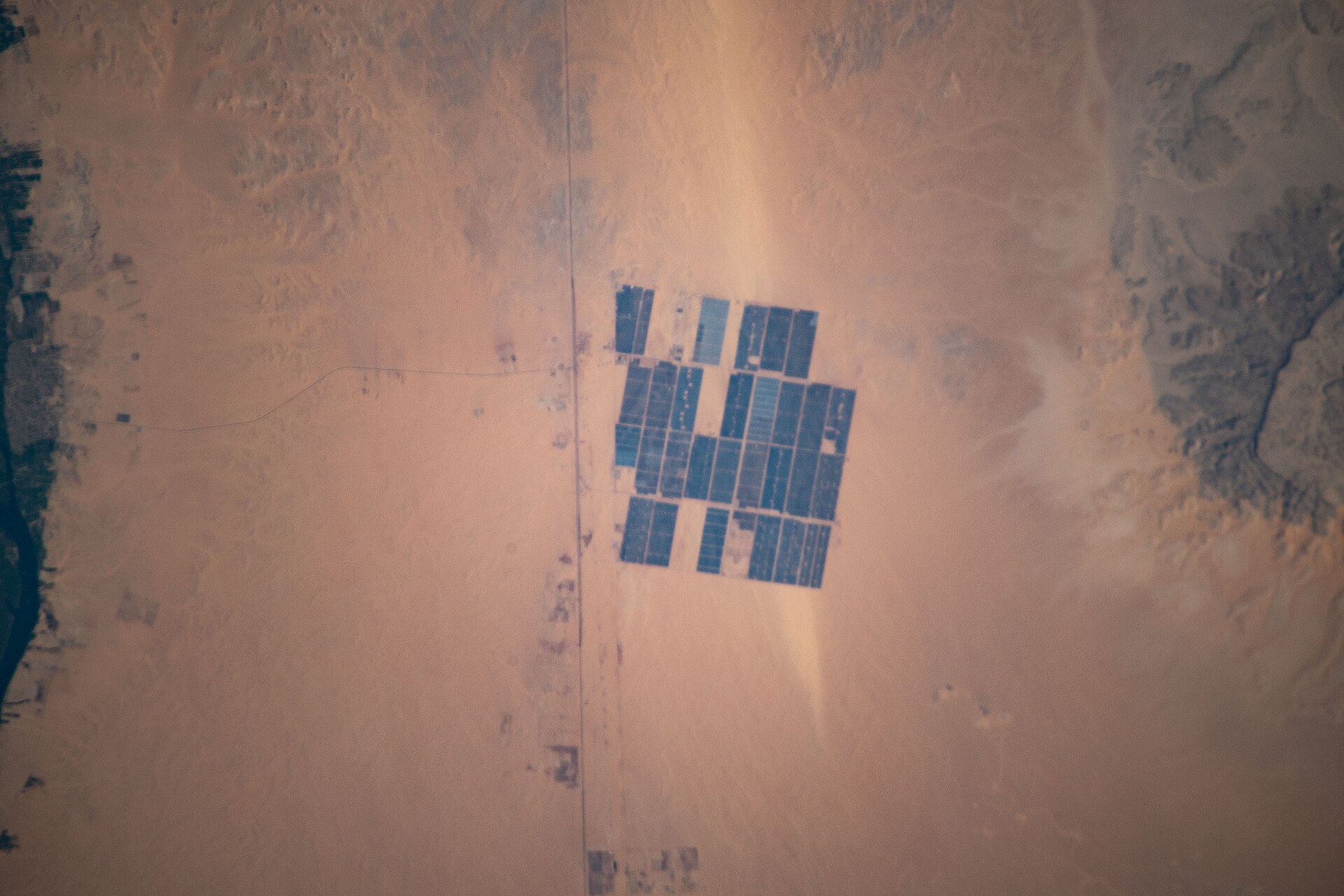
Benban Solar Park near Aswan is one of the largest solar complexes in the world, made up of dozens of separate plants developed under a feed-in tariff scheme with financing from international lenders. Wind farms in the Gulf of Suez and Zafarana add further capacity, and several large renewable and green-hydrogen projects are under development.
Nuclear
El Dabaa, on the Mediterranean coast, is Egypt’s first nuclear power project. It is being built by Russia’s Rosatom and is planned to host four reactors.
Imports, Exports and Infrastructure
Egypt’s strategic position gives it a role well beyond its own demand.
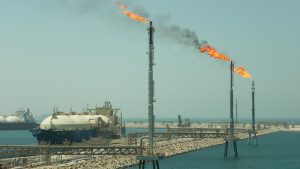
- LNG plants: Egypt has two liquefaction facilities, at Idku and Damietta, which allow gas to be exported by ship when domestic supply is sufficient.
- Regional pipelines: the Arab Gas Pipeline and links with Israel have enabled gas flows to and from neighbouring countries. Egypt processes some gas produced elsewhere in the Eastern Mediterranean and can re-export it as LNG.
- Suez Canal and SUMED: the canal is a key route for oil, LNG and refined products, and the SUMED pipeline moves crude from the Red Sea to the Mediterranean.
- Floating LNG terminals: Egypt has leased floating storage and regasification units to import LNG quickly when domestic production falls short, particularly in hot months.
- Grid links: interconnections with neighbouring countries and plans for undersea cables to Europe and Saudi Arabia aim to make Egypt a power trading hub.
Policy and Investment Outlook
Egypt’s official strategy aims to raise the share of renewables in electricity generation to about 42 percent by 2035. Government priorities typically include diversifying the mix, encouraging private investment through independent power producer (IPP) contracts, and raising energy efficiency.
Several themes are likely to shape the next phase:
- More upstream drilling: the government has worked to attract international oil companies and to clear payment arrears owed to them.
- Renewables at scale: large solar and wind projects, increasingly paired with battery storage.
- Green hydrogen and ammonia: projects around the Suez Canal Economic Zone targeting exports to Europe.
- Subsidy reform: gradual changes to fuel and electricity prices to reduce fiscal pressure.
Investors usually watch four indicators to judge progress: new gas discoveries and tie-ins, the timing of power purchase agreements, the pace of grid upgrades and the government’s payment record. Together they show whether policy ambitions are turning into delivered capacity, and they help explain why announcements and commissioning dates do not always match.
Risks and Challenges for the Egypt Energy Sector
Egypt’s opportunities come with substantial risks.
- Gas supply and demand balance: rapid demand growth, especially for summer cooling, has at times outpaced domestic output and led to planned power cuts and LNG purchases.
- Fiscal and currency pressure: imports must be paid in foreign currency, and subsidies strain the budget.
- Payment arrears and contract risk: delays in paying international partners can discourage investment.
- Water and climate: Nile water management and extreme heat affect hydropower and power demand.
- Regional instability: disruption around the Red Sea and Mediterranean can affect shipping, security and project timelines.
What It Means for Global Energy Markets
Egypt matters for three reasons. Its LNG plants are among the few export facilities in the Eastern Mediterranean, so gas from Israel, Cyprus and offshore Egypt can reach European and Asian buyers through them. The Suez Canal and SUMED are chokepoints for global oil and LNG trade. And as a large developing economy, Egypt’s choices on solar, wind, nuclear and gas will influence regional investment and emissions.
When Egypt buys more LNG, it adds to global demand and can tighten the market, especially in summer. When its output recovers, it eases pressure on competing buyers.
Frequently Asked Questions About the Egypt Energy Sector
What is the Zohr gas field?
Zohr is a large offshore gas field in the Egyptian Mediterranean, discovered by Eni in 2015 and developed in the years that followed.
Does Egypt export natural gas?
Yes, through its LNG plants at Idku and Damietta, but exports vary with domestic supply. In some periods Egypt has also imported LNG.
How much of Egypt’s electricity comes from renewables?
Renewables, including hydropower, solar and wind, supply a minority share that has been growing. Check the latest figures from the Egyptian Electricity Holding Company or the IEA.
What is Benban?
Benban is a large solar park near Aswan made up of many plants, built under a government feed-in tariff programme.
Is Egypt building a nuclear plant?
Yes. The El Dabaa project, built with Rosatom, is under construction on the Mediterranean coast.
Conclusion
The Egypt energy sector stands at a crossroads. Natural gas remains central, but demand growth, ageing fields and fiscal limits are pushing the country toward solar, wind, nuclear and regional trade. Its success will depend on sustained drilling, reliable payments to investors, grid upgrades and well-structured renewable contracts. Egypt’s location gives it a rare chance to become a gas and power hub linking Africa, the Middle East and Europe.
Sources and further reading
- International Energy Agency, Egypt country profile (iea.org)
- Egyptian Ministry of Petroleum and Mineral Resources (petroleum.gov.eg)
- Egyptian Ministry of Electricity and Renewable Energy (moee.gov.eg)
- US Energy Information Administration, Egypt country analysis (eia.gov)
- Eni, Zohr field information (eni.com)
- Energy Institute, Statistical Review of World Energy (energyinst.org)