How Does Hydropower Work?

How does hydropower work? In short, falling or flowing water spins a turbine, the turbine drives a generator, and the generator produces electricity. The water’s height and flow decide how much power is available, which is why dams and fast rivers are the classic sites. Hydropower is the world’s largest source of renewable electricity, and it also provides storage and grid stability. This guide explains the process step by step, the main plant types, and the costs, benefits and limits.
How Does Hydropower Work? A Simple Definition
Hydropower, or hydroelectric power, converts the energy of moving water into electricity. The energy originally comes from the sun, which drives the water cycle by evaporating water that later falls as rain or snow at higher elevations. When that water flows downhill, gravity gives it energy that a plant can capture.
Two physical quantities set the output:
- Head: the vertical drop of the water, measured in metres.
- Flow: the volume of water passing through the turbine each second.
A simplified formula shows the relationship: power is roughly proportional to water density, gravity, flow, head and the efficiency of the equipment. Doubling either head or flow roughly doubles potential output, which is why explaining how hydropower works always starts with site conditions, and why engineers look for sites with a high drop, a large flow, or both.
How Does Hydropower Work Step by Step
A conventional plant with a dam follows a clear sequence.
- Water is stored. A dam holds back a river and creates a reservoir. The stored water has potential energy because of its height.
- Water enters the intake. Gates open and water flows into a large pipe called a penstock, which carries it downhill under pressure.
- The turbine spins. Water hits the turbine blades and makes the turbine rotate. The shape of the turbine is matched to the site.
- The generator produces electricity. The turbine shaft turns a generator, where magnets rotating inside coils of wire create an electric current.
- The voltage is raised. A transformer increases the voltage so the electricity can travel long distances through transmission lines.
- Water returns to the river. After passing through the turbine, water is released downstream through the tailrace.
Operators control output by adjusting how much water flows through the turbine. This makes hydropower one of the few renewable sources that can follow demand quickly, often within seconds to minutes.
Types of Hydropower Plants and Turbine Technologies
Impoundment (reservoir) plants
These use a dam and reservoir to store water. They offer the greatest control over output and can store a season’s rainfall, but they also have the largest land and environmental footprint.
Run-of-river plants
These divert part of a river’s flow through turbines with little or no storage. They typically have a smaller footprint, but output varies with natural river flow and seasons.
Pumped-storage plants
Pumped storage works like a large battery. When electricity is cheap or abundant, pumps lift water to an upper reservoir. When demand is high, the water is released through turbines. Round-trip efficiency is commonly in the range of about 70 to 85 percent. These plants are increasingly important for balancing solar and wind power.
Common turbine designs
| Turbine | Best suited to | How it works |
|---|---|---|
| Pelton | Very high head, low flow | Jets of water strike cup-shaped buckets on a wheel |
| Francis | Medium head and flow, the most widespread type | Water flows inward through a runner with curved blades |
| Kaplan | Low head, high flow | Propeller-style blades with adjustable pitch |
Small and micro hydropower systems use the same principles at village or farm scale, and some plants use the flow of tides or in-pipe water supply systems.
Main Advantages and Limitations of Hydropower
Advantages
- Low operating emissions. Plants do not burn fuel while generating electricity.
- Dispatchable. Reservoir plants can raise or lower output quickly, which supports the grid.
- Long life. Dams and civil works can operate for many decades, with turbines refurbished along the way.
- Multiple uses. Reservoirs can support flood control, irrigation, water supply and recreation.
- High efficiency. Modern turbines convert a very large share of the water’s energy into electricity, often above 90 percent for the turbine itself.
Limitations
- Environmental impact. Dams change river ecosystems, block fish migration and trap sediment.
- Social impact. Large reservoirs can displace communities and flood farmland or heritage sites.
- Climate dependence. Droughts and changing rainfall patterns can reduce output.
- Reservoir emissions. Decaying vegetation in some reservoirs, especially in warm regions, can release methane.
- High upfront cost and long build times. Large projects take years to permit and build.
Costs, Efficiency and Hydropower’s Market Role
Hydropower is capital-intensive, but running costs are low because the fuel, water, is free. Once built, many plants produce some of the cheapest electricity on the grid. According to the International Renewable Energy Agency (IRENA), new hydropower projects have often been cost-competitive with fossil fuel alternatives, though costs vary greatly by site, geology and financing.
In market terms, hydropower provides three valuable services beyond energy:
- Capacity: reliable output at peak demand.
- Flexibility: fast ramping to follow changes in demand and in wind and solar output.
- Grid services: frequency control, voltage support and the ability to restart a grid after a blackout.
According to the International Energy Agency (IEA), hydropower has been the largest renewable electricity source worldwide for decades, supplying on the order of one-seventh of global electricity. Solar and wind are now growing faster in new capacity, but hydropower remains vital for system stability.
Leading Countries and Companies in Hydropower
China has by far the largest installed hydropower capacity, followed by countries such as Brazil, the United States, Canada and Russia. Some smaller countries depend on hydropower for almost all their electricity, with Norway the best-known example in Europe.
Well-known plants include:
- Three Gorges Dam (China): the largest power station in the world by installed capacity.
- Itaipu (Brazil and Paraguay): a binational plant that supplies a large share of electricity in both countries.
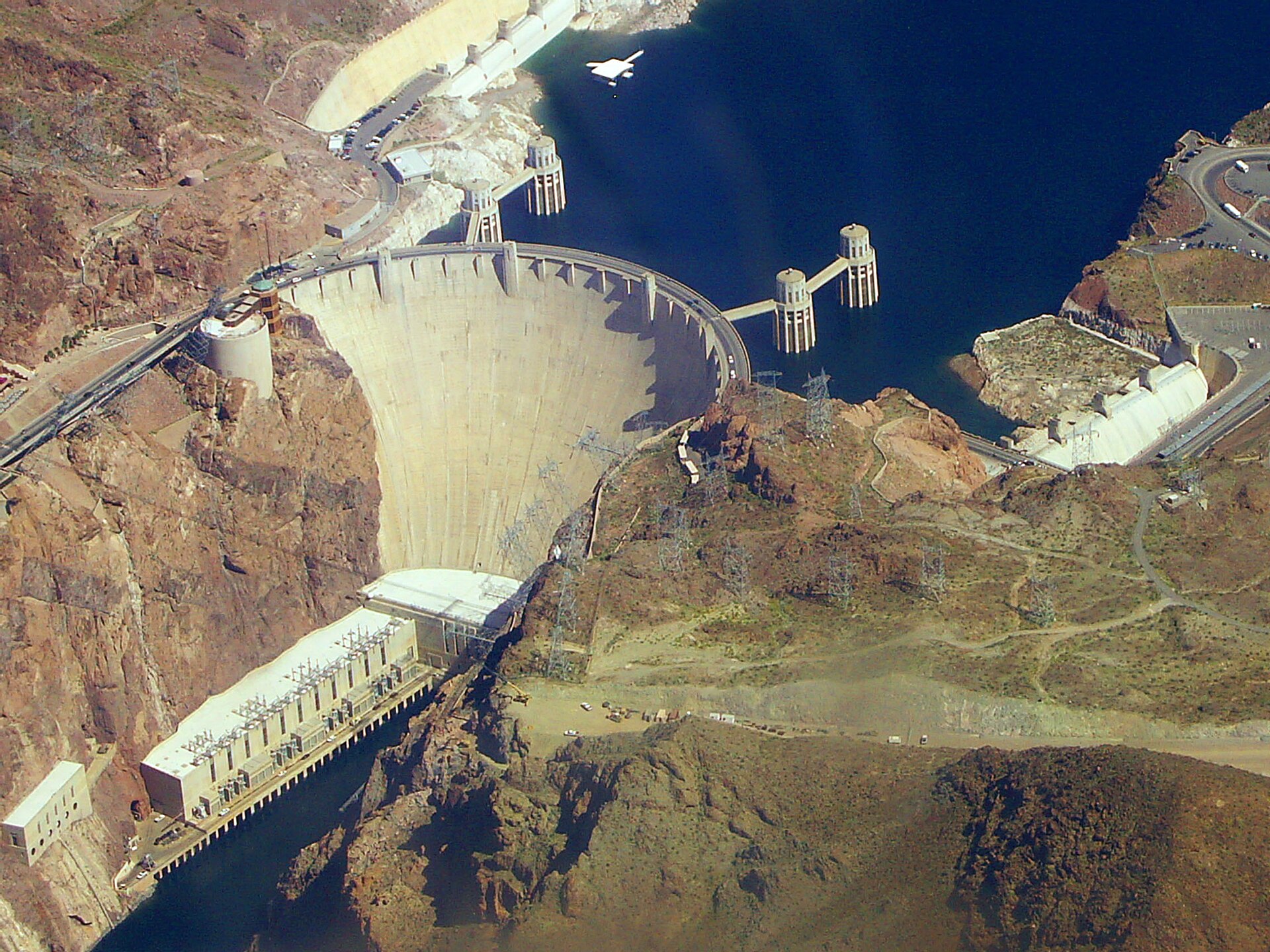
- Hoover Dam (United States): an early landmark that supplies the south-western US grid.
- Aswan High Dam (Egypt): a major source of power and water management on the Nile.
Major equipment makers and developers include state-owned utilities and large industrial groups, as well as specialist turbine manufacturers.
Future Outlook for Hydropower
Growth will come from three directions. First, pumped storage, as grids add more variable renewables and need long-duration storage. Second, modernisation of ageing plants, where new turbines and digital controls can raise output without building new dams. Third, new projects in regions with untapped potential, such as parts of Africa and Asia, where environmental and social safeguards will be decisive.
Climate change is a double-edged factor. It may alter rainfall and river flows in many basins, which affects planning, but it also increases the value of flexible, low-carbon power.
Frequently Asked Questions About How Hydropower Works
How does hydropower work without a dam?
Run-of-river plants divert part of a river through a canal or pipe to a turbine, then return the water to the river. They store little or no water.
Is hydropower renewable?
Yes. The water cycle is continually replenished by the sun, although local output depends on rainfall and snowmelt.
How efficient is a hydroelectric turbine?
Modern turbines often exceed 90 percent efficiency, making hydropower one of the most efficient ways to produce electricity.
Can hydropower store energy?
Yes. Pumped-storage plants move water between two reservoirs, and reservoir plants can hold water for later use.
What is the biggest drawback?
Environmental and social impact on rivers and communities, along with dependence on rainfall, are the main concerns.
Conclusion
To answer simply how does hydropower work: it captures the energy of falling water with turbines and generators, and it can do so reliably and flexibly for many decades. Its strengths are low operating emissions, storage and grid services. Its limits are ecological and social impacts, high upfront costs and exposure to drought. Well-designed, well-regulated projects will continue to play a central role alongside wind and solar.
Sources and further reading
- International Energy Agency, hydropower analysis (iea.org)
- International Renewable Energy Agency, renewable cost and capacity statistics (irena.org)
- International Hydropower Association (hydropower.org)
- US Department of Energy, Water Power Technologies Office (energy.gov)
- US Energy Information Administration, hydropower explained (eia.gov)