Types of Renewable Energy: A Complete Guide

The main types of renewable energy are solar, wind, hydropower, geothermal, bioenergy and ocean energy. Each one draws on a natural flow that is replenished continuously, such as sunlight, moving air, flowing water, heat from the Earth or plant material, and each turns it into electricity, heat or fuel. This guide explains how every type works, where it fits, what it costs, and what limits it, so you can compare them on equal terms.
What Are the Types of Renewable Energy? A Simple Definition
Renewable energy comes from sources that nature replenishes on a human timescale. Fossil fuels took millions of years to form and are consumed far faster than they are created. Sunlight, wind and rivers, by contrast, keep arriving whether or not we use them.
“Renewable” does not mean “free of impact”. Dams change rivers, wind farms affect landscapes and birds, and bioenergy can compete with food crops if poorly managed. It also does not mean “always available”: wind and solar vary with weather and time of day. The more useful question is how each source performs on emissions, cost, reliability and land or water use.
Agencies such as the International Energy Agency (IEA) and the International Renewable Energy Agency (IRENA) track these sources separately, which is why you will see them listed in the same groups in most statistics.
How Renewable Energy Works Step by Step
Most renewable power follows the same basic chain:
- Capture: a device collects the natural flow, such as panels absorbing sunlight, blades catching wind, or a turbine placed in moving water.
- Convert: the energy is converted into mechanical motion or direct electricity. Solar panels make direct current; turbines spin a generator.
- Condition: power electronics or transformers adjust the electricity to grid voltage and frequency.
- Deliver: power flows through the grid to homes, businesses and industry, sometimes via storage such as batteries or pumped hydropower.
Heat-based sources, such as geothermal and solar thermal, can also deliver heat directly, which avoids conversion losses when the end use is heating.
Key Types of Renewable Energy and Their Technologies
Solar energy
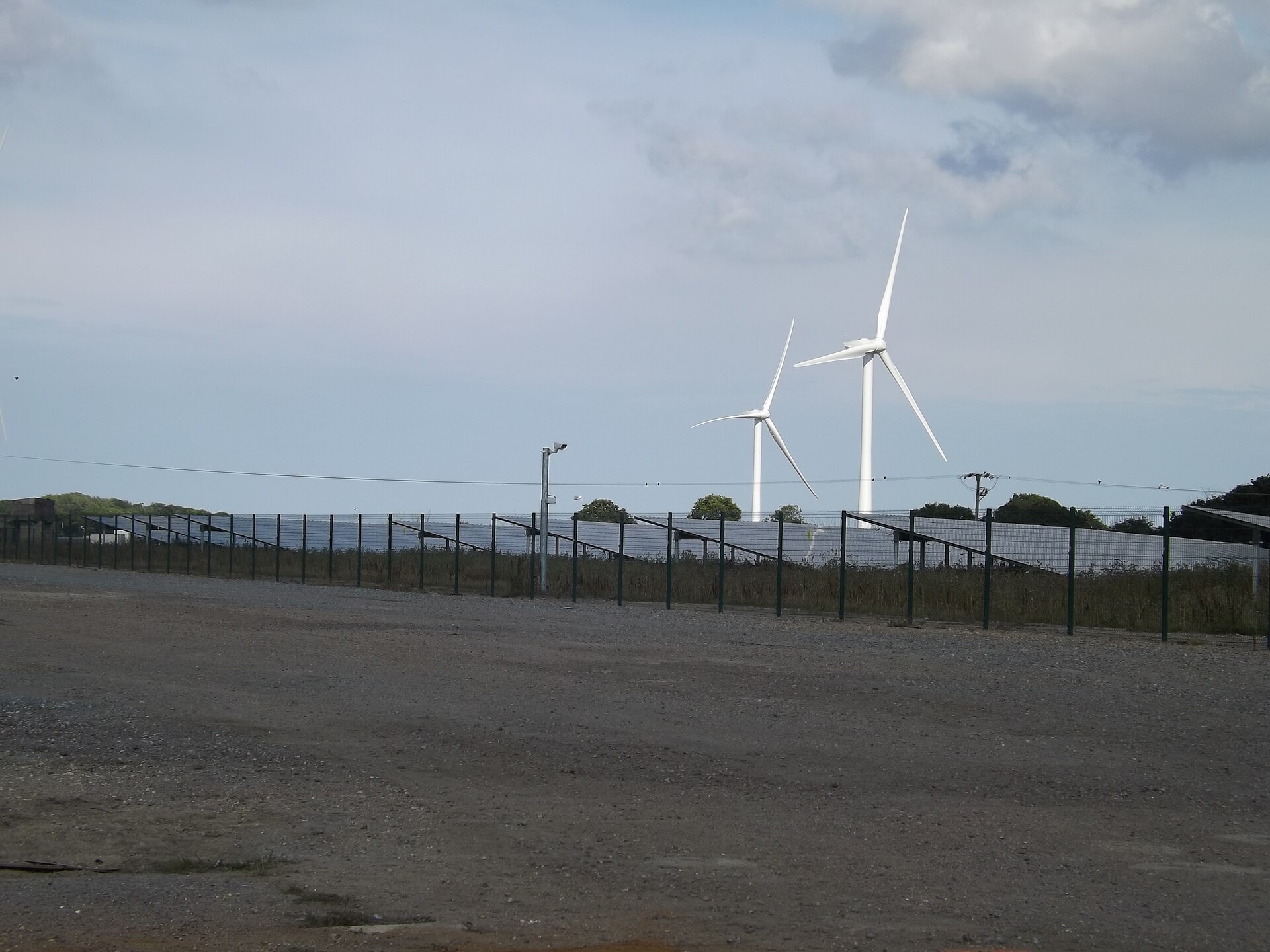
Photovoltaic (PV) panels convert sunlight directly to electricity and range from rooftop arrays to utility-scale plants. Concentrated solar power (CSP) uses mirrors to heat a fluid and drive a turbine, and can store heat in molten salt to produce power after sunset. Solar thermal collectors also heat water for buildings.
Wind energy
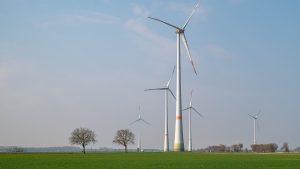
Onshore wind is a mature technology found in many countries. Offshore wind has stronger and steadier winds and larger turbines, though construction and maintenance cost more. Both feed electricity into the grid.
Hydropower
Hydropower is the oldest large-scale renewable source. Reservoir dams store water and release it on demand. Run-of-river plants use natural flow with little storage. Pumped storage moves water between two reservoirs and acts like a giant battery, which is why it is important for balancing grids with a lot of wind and solar.
Geothermal energy
Geothermal plants use hot water or steam from underground to drive turbines or provide direct heat. The resource is strongest in volcanic or tectonically active regions such as Iceland, parts of Türkiye, Indonesia, the Philippines, Kenya and the western United States. Output is steady day and night.
Bioenergy
Bioenergy covers solid biomass, biogas from waste or manure and liquid biofuels such as ethanol and biodiesel. Its climate benefit depends on the feedstock and how it is grown and collected. Waste and residues usually score better than dedicated energy crops.
Ocean energy
Tidal barrages, tidal stream turbines and wave devices capture the movement of the sea. They are predictable but remain small in global terms because costs are high and many designs are still being proven.
Main Advantages and Limitations
All types of renewable energy avoid fuel costs and produce little or no direct carbon dioxide during operation. They also reduce exposure to imported fuel prices. The limits differ by technology, so the table below compares the main ones. Capacity factor values are rough typical ranges, and real projects vary widely with site and design.
| Type | Typical capacity factor (approximate) | Main strength | Main limitation |
|---|---|---|---|
| Solar PV | About 10 to 30 percent | Fast to build, scalable, low cost | Output only in daylight, needs storage |
| Onshore wind | About 25 to 45 percent | Low cost per unit of energy | Variable, local opposition at some sites |
| Offshore wind | About 40 to 55 percent | Strong, steady winds | High installation and maintenance cost |
| Hydropower | About 35 to 55 percent | Dispatchable, long lifetime | Site-limited, ecosystem and community impact |
| Geothermal | About 70 to 90 percent | Steady baseload output | Limited to suitable geology, drilling risk |
| Bioenergy | Varies widely | Can use waste, provides heat and fuel | Feedstock sustainability, air pollution if poorly controlled |
The IEA and IRENA publish updated cost and performance data, and the exact figures change with technology and market conditions.
Costs, Efficiency and Market Role
Over the past decade, solar PV and onshore wind have become the lowest-cost new sources of electricity in many markets, according to IRENA’s cost reports and independent analyses. Costs fell because of manufacturing scale, better designs and competitive auctions. Hydropower and geothermal remain competitive where the resource is good, but are less able to scale rapidly.
Efficiency means different things for each technology. Commercial solar panels convert only a fraction of the sunlight that hits them to electricity, yet the fuel is free, so conversion efficiency matters mainly for land and roof area. Wind turbines can capture a large share of the available wind energy within physical limits. Capacity factor, shown in the table, is often more useful for judging how much energy a plant delivers over a year.
Market role also depends on the grid. Variable sources need flexibility from storage, interconnectors, demand response and dispatchable generation. System costs, such as new transmission lines, are important and should be included when comparing technologies.
Leading Countries and Companies
China is the world’s largest builder of solar and wind capacity, according to IEA and IRENA statistics, and also leads in manufacturing of panels, batteries and many wind components. The United States, India, Germany and Brazil are also major markets. Hydropower is the backbone of electricity in countries such as Norway, Canada and Brazil. Iceland gets most of its heat and a large share of its power from geothermal sources.
The industry includes global turbine makers, solar module manufacturers, utilities, independent power producers and oil and gas companies diversifying into low-carbon power. Rankings change often, so use the latest IRENA or IEA publication to see who currently leads in each segment.
Future Outlook for Renewable Energy
The IEA and IRENA both report that renewables now account for the large majority of new power capacity added worldwide each year, with solar PV leading. Their reports also stress that grids, storage and permitting are now the main bottlenecks, not the cost of generation.
Several trends are likely to shape the next decade:
- Rapid growth of battery storage alongside solar
- Larger offshore wind turbines and floating foundations for deep water
- Expansion of transmission lines and smarter grid management
- Growing use of renewable electricity for heat, transport and industry
- More attention to recycling and the supply chain for critical minerals
These changes depend on policy, financing and public acceptance, so national progress will continue to differ.
Frequently Asked Questions About the Types of Renewable Energy
What are the five main types of renewable energy?
Solar, wind, hydropower, geothermal and bioenergy are usually counted as the five main types. Ocean energy is often added as a sixth category.
Which renewable energy source is the cheapest?
Solar PV and onshore wind are often the cheapest for new electricity generation in good locations. Costs depend on the site, financing and the need for grid upgrades or storage.
Which type provides the most electricity worldwide?
Hydropower has historically supplied the largest share of renewable electricity, while wind and solar are growing fastest. Check Ember, IEA or IRENA for the latest breakdown.
Is nuclear energy renewable?
No. Nuclear power is low-carbon but uses uranium, a finite resource, so it is not classified as renewable.
Can renewable energy provide power all the time?
Not by itself in every location. A reliable system combines several renewable sources with storage, strong grids and flexible backup.
Conclusion
The different types of renewable energy each have a role: solar and wind provide low-cost bulk energy, hydropower and geothermal add firm output, and bioenergy and ocean power cover niche needs. None is perfect, and each has trade-offs in cost, land use and variability. The best mix depends on local resources and the grid. For up-to-date numbers, rely on IEA, IRENA and national statistics rather than older articles.
Sources and further reading
- International Energy Agency, renewables reports and statistics (iea.org)
- International Renewable Energy Agency, renewable power generation costs and capacity statistics (irena.org)
- U.S. Energy Information Administration, renewable energy explained (eia.gov)
- Ember, global electricity analysis (ember-energy.org)
- U.S. National Renewable Energy Laboratory, technology resources (nrel.gov)