Saudi Arabia Expands Oil Storage in Japan as Tokyo Restocks Reserves

Saudi Arabia has secured temporary use of an additional 16 million barrels of crude storage capacity in Japan, nearly tripling the roughly 8 million barrels it already holds there, as Tokyo moves to rebuild national reserves depleted during this year’s Strait of Hormuz crisis, Bloomberg reported Thursday. Separately, Japan is weighing the purchase of up to 8 million barrels of Saudi crude for its own strategic stockpile, a deal the two governments announced last week, subject to “favorable market conditions.”
A temporary buffer, built on an old arrangement
The expanded storage runs through an existing arrangement between Saudi Aramco and Japanese authorities, under which Tokyo gets preferential access to Aramco-owned crude held in tanks on its territory during a supply emergency; outside of an emergency, Aramco is free to sell that oil to other buyers in Asia. The scheme dates back to 2011, when Japan first leased storage space to Aramco at 1.3 million barrels; successive expansions took it to roughly 8.2 million barrels by 2017, with the deal renewed again in 2025. Bloomberg reported that Aramco has already begun refilling the tanks under the newly expanded capacity.
Why Tokyo is restocking now
Middle Eastern crude supplied more than 90% of Japan’s oil imports before the war between Iran, Israel and the United States disrupted Gulf shipping earlier this year. With tankers rerouting and insurance costs spiking, Japan turned to cargoes from Canada, Azerbaijan and Africa to plug the gap, and drew down its national petroleum reserve as part of a record 400-million-barrel coordinated release among IEA members last month. According to the IEA, Gulf crude exports have since recovered to about 82% of pre-war levels, helped by a partial, uneasy de-escalation around the Strait of Hormuz even as attacks on tankers transiting the strait have not fully stopped. That partial recovery is what has given Tokyo room to start rebuilding stockpiles rather than simply managing a shortage.
The timing also lines up with a softer crude market: Brent traded around $92 a barrel on Thursday, down from above $110 in October, and Goldman Sachs has forecast a sizable global surplus next year that it expects to push prices lower still. Buying into a falling market gives Japan an incentive to rebuild its reserve now rather than wait.
Part of a broader Asian push for oil security
Japan’s move is one piece of a wider regional scramble to build buffers against future Gulf disruptions. Saudi Arabia has separately held talks with other governments about leasing access to their strategic storage, and Singapore announced plans last month to store Saudi crude in its Jurong Rock Caverns starting in the second half of 2027. Japanese Prime Minister Sanae Takaichi has also floated a joint Asian task force to coordinate crude stockpiles, informally described as an “Asian version of the IEA,” while ASEAN members have agreed on a shared regional reserve with storage sites in Indonesia and Thailand, coordinated through the Philippines. Together, the moves reflect a shift among Asian oil importers away from relying solely on national reserves or ad hoc G7-coordinated releases toward longer-term, leased storage arrangements with the producers themselves.
Sources
- Oilprice.com (Julianne Geiger), “Saudi Arabia Expands Oil Storage in Japan as Tokyo Restocks,” November 20, 2026, citing Bloomberg — storage and purchase figures, market context.
- International Energy Agency, data cited in the above report — Gulf crude export recovery rate.
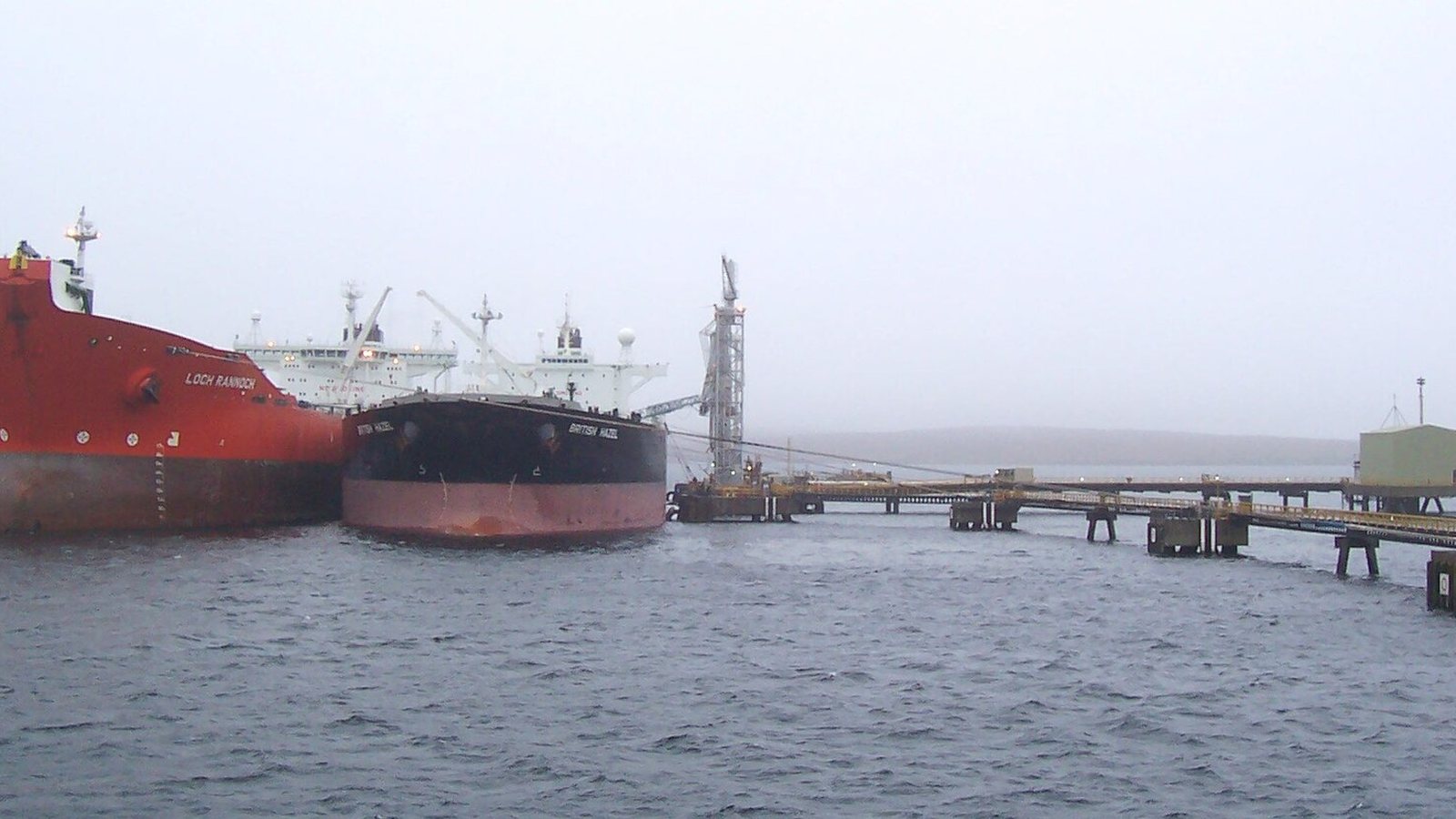
Illustrative image. Photo: john bateson, CC BY-SA 2.0, via Wikimedia Commons — source