EU Reaffirms Arctic Drilling Ban as Norway Pushes Back and Winter Gas Supplies Stay Tight

The European Commission reaffirmed on Tuesday that it will keep opposing new oil and gas exploration in the Arctic, sticking to the position it first set out in 2021 even as Norway pushes back and the bloc heads into a winter marked by thin gas storage and a Middle East-driven price spike.
A Commission spokesperson said the EU’s revised Arctic strategy, due to be published this week, keeps the bloc’s opposition to new oil and gas drilling in the Arctic intact. The statement follows weeks of reporting that Brussels was weighing a reversal under pressure from Norway and amid an energy-security scare tied to the months-long disruption of tanker traffic through the Strait of Hormuz. The Commission said its position still rests on the 2021 Joint Communication on the EU’s Arctic Policy, which opposes further Arctic hydrocarbon development and commits the bloc not to purchase oil or gas produced from new Arctic fields.
A decision that almost went the other way
European trade and shipping press reported through September that the outcome was genuinely in doubt. A senior EU official was reported as signalling that Brussels could soften its stance, in part to smooth relations with Washington, while International Energy Agency chief Fatih Birol had publicly urged the EU to reconsider the ban given tight gas markets. Norway’s government argued that continued exploration on its continental shelf, including in Barents Sea acreage that lies within the Arctic Circle, is needed to keep gas flowing to Europe over the next decade, even as costs on Norway’s existing Arctic gas infrastructure keep rising. Norwegian Energy Minister Terje Aasland has said repeatedly that “Norway decides on its resources, not the EU,” and Oslo has continued to award exploration licences regardless of the EU debate. In the end, the Commission chose continuity over the carve-out Norway wanted.
Why the timing matters
The reaffirmation lands as European gas storage sites enter winter below the levels regulators prefer. The continent’s gas balance has been under strain since the spring, when attacks on tankers and repeated closures of the Strait of Hormuz cut off a corridor that normally carries a large share of the world’s seaborne LNG, pushing buyers in Asia and Europe to compete harder for the same non-Qatari, non-Hormuz-dependent cargoes. Opponents of new Arctic drilling argue that any wells approved now would take over a decade to reach first production — well past the current crunch and the reasons European gas prices are already elevated this winter — making them irrelevant to this winter’s supply problem while locking in new fossil-fuel infrastructure the bloc’s 2050 climate targets are meant to phase out. Norway counters that the lead times are exactly why exploration decisions cannot wait for the current crisis to pass.
What stays the same, and what does not
The reaffirmation does not touch Norway’s existing Arctic production, which the EU has no authority to block in any case since Norway is not an EU member; it affects only the EU’s own stated policy of refusing to source hydrocarbons from newly developed Arctic fields and its diplomatic position on exploration elsewhere in the Arctic, including off Greenland. It also does not resolve the EU’s near-term supply problem, which is being managed through LNG imports, demand-side measures and storage-filling obligations rather than new upstream projects. Norway, for its part, has signalled no change in its own permitting plans and is expected to keep issuing licences for its sector of the Barents Sea.
Sources
- Euronews, “Brussels to keep ban on Arctic oil and gas drilling despite Norwegian pressure”, Sept. 21–22, 2026 (Commission spokesperson statement, 2021 Joint Communication reference, Norway’s position)
- Engineering News / Mining Weekly (Reuters), “EU to keep opposing new Arctic oil drilling, despite pressure from Norway”, Sept. 22, 2026 (Norwegian minister’s quote, IEA chief’s comments)
- OilPrice.com, “EU Reaffirms Opposition to Arctic Oil and Gas Drilling,” Oct. 20, 2026 (today’s reaffirmation and winter gas-storage framing)
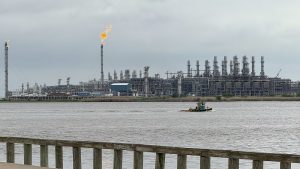
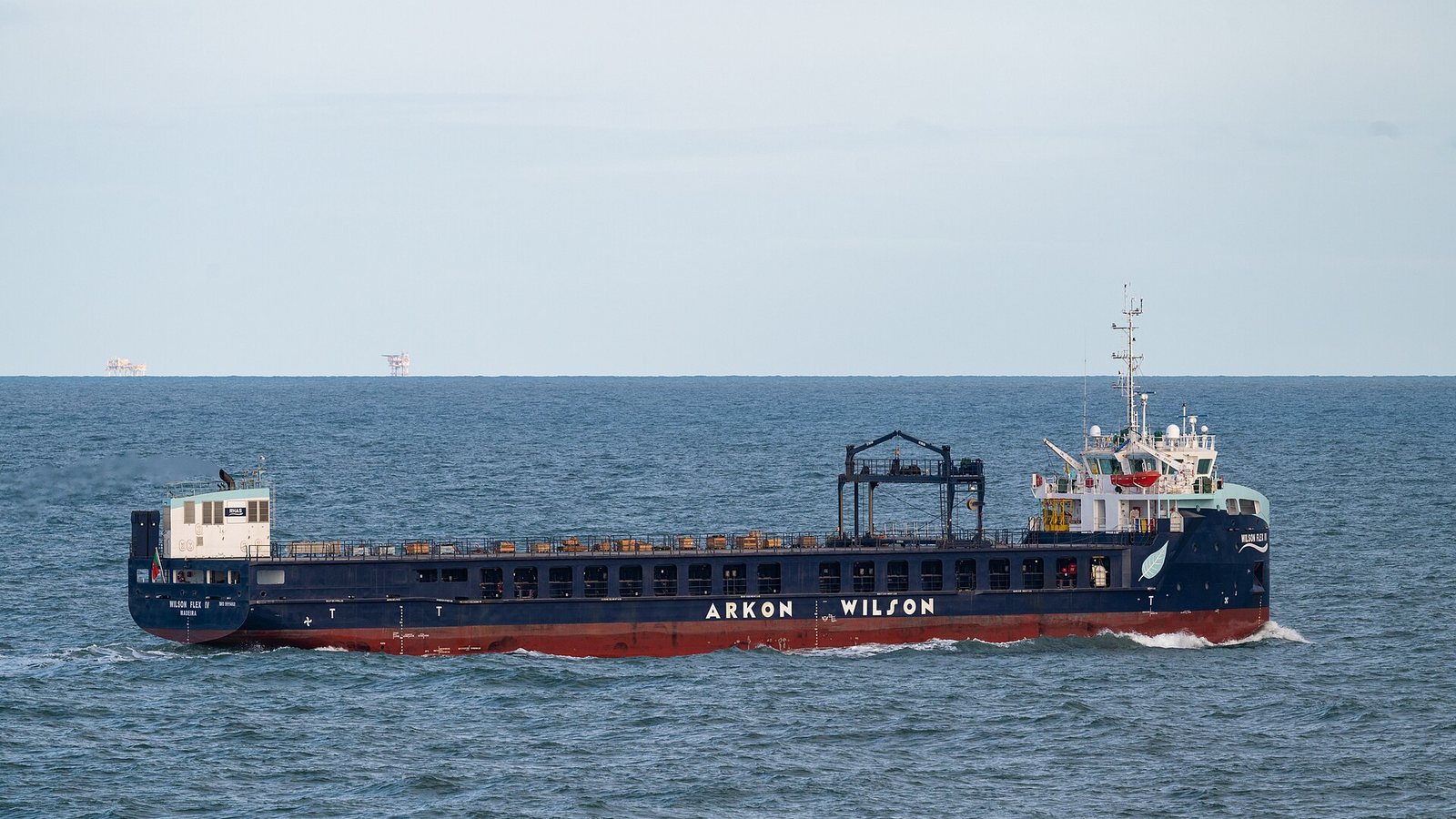
Illustrative image. Photo: GRDN711, CC BY 4.0, via Wikimedia Commons — source