


Unknown Projectiles Strike Three Tankers in Strait of Hormuz
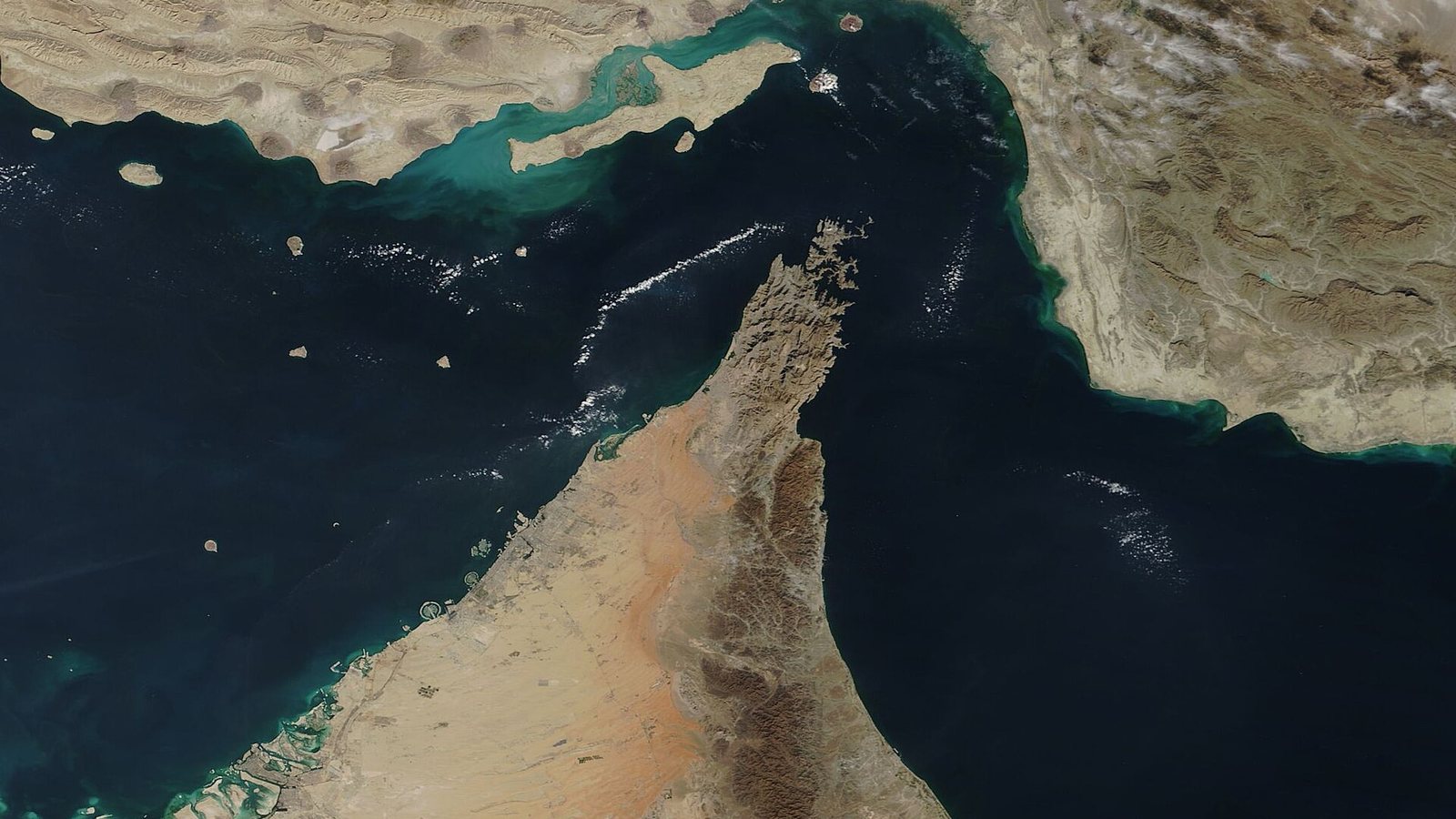

Three Liberia-flagged tankers were struck by unidentified projectiles while transiting the Strait of Hormuz over the past two days, according to shipping intelligence and maritime security firms, in the latest sign that the narrow waterway remains a flashpoint even as oil markets had hoped for a lull. Two of the three vessels are managed by ADNOC Logistics, the shipping arm of Abu Dhabi’s state oil company, underscoring how close the disruption has come to Gulf producers’ own export fleets.
The affected ships were named as the oil products tanker Al Ruwais, the very large crude carrier Mersin Prosperity, and the Aframax-sized tanker Sinbad. In one incident, a vessel was hit by a suspected projectile on Monday evening, triggering a fire that crew extinguished before continuing the transit; all crew members were reported safe. No government has formally claimed responsibility, and the identity of those behind the strikes has not been independently confirmed.
A chokepoint already under strain
The strikes add to a run of incidents this year that have kept the Strait of Hormuz, through which roughly a fifth of global oil consumption typically passes, at the center of the US-Iran conflict. Security firms tracking the transits noted that the three tankers had their Automatic Identification System transponders switched off at the time they were hit — a precaution increasingly common among vessels crossing the strait that also makes it harder for outside observers to corroborate exact positions and timing.
The incident follows a diplomatic exchange in late September in which Iran offered a seven-day plan to reopen the strait to normal traffic, an offer the Trump administration rejected within a day, with the White House dismissing the proposal as insufficient. Washington has signaled it is prepared to extend military pressure on Iran beyond the US midterm elections in November, according to recent public remarks by President Trump, leaving little indication that the chokepoint will stabilize in the near term.
Knock-on effects across the region’s oil trade
Gulf exporters have spent the past several weeks adapting their logistics to the risk. Qatar in September extended force majeure on its LNG shipments into December, citing Hormuz-linked disruption to scheduling, and Saudi Arabia was forced to reroute some crude through the Red Sea port of Yanbu after a separate attack on an export pipeline, only resuming normal Red Sea loadings on September 29. Indian refiners, among the largest buyers of Gulf crude, are reported to be struggling to secure tankers willing to enter the strait, and India’s oil minister has said this week that shipping disruption, not a shortage of crude supply, is the main driver of elevated prices.
Those strains have already shown up in US inventory data: the Strategic Petroleum Reserve fell to its lowest level since 1982 as Washington drew down stocks to cushion domestic markets against Gulf-linked volatility. Brent crude, which had been trading below $100 a barrel for most of the year, has pushed back above that threshold in recent sessions as traders price in both the Hormuz risk and a separate squeeze on refined products out of China.
What comes next
Maritime security firms are advising tanker operators to maintain AIS transponders where legally required, reduce speed through the strait’s narrowest sections, and factor in higher war-risk insurance premiums, which brokers say have already risen following the latest strikes. Shipowners managing routes through the Gulf are also reporting in private communications, cited by shipping intelligence firms, that they are reassessing scheduling around the strait on a day-to-day basis rather than committing to fixed transit windows.
For now, none of the three struck vessels has reported a cargo loss, and all are described as back underway. But the pattern — unidentified projectiles, transponders off, no official claim of responsibility — mirrors earlier incidents this year that preceded wider disruption to Gulf shipping, and traders are watching closely for any escalation that could tighten crude and product flows further heading into the northern hemisphere winter.
Sources
- Oilprice.com, “Three Tankers Struck by Unknown Projectiles in Strait of Hormuz,” October 1, 2026 — incident summary and timing.
- IranWire, “Oil Tanker Struck by Three Projectiles in Strait of Hormuz” — vessel detail and crew-safety reporting.
- MarineLink, “Three Oil Tankers Come Under Fire in Strait of Hormuz” — vessel names, flag state and operator detail.
- CBS News live updates, Iran war coverage, October 2026 — context on US-Iran tension and post-midterm policy signals.
Illustrative image. Photo: MODIS Land Rapid Response Team, NASA GSFC, Public domain, via Wikimedia Commons — source




.jpg)