


EU Reaches Deal to Fast-Track Permits for Wind, Solar and Grid Projects

The European Parliament and the Council of the EU reached a provisional agreement on November 18 to speed up permitting for new wind, solar, grid and energy storage projects, as Reuters reported the deal would let member states classify qualifying renewables developments as being in the “overriding public interest” to cut through planning delays. The push comes as the European Commission’s own figures show the bloc’s oil import bill has surged following supply disruption tied to the closure of the Strait of Hormuz, adding fresh political urgency to a permitting overhaul first proposed under the bloc’s REPowerEU program — and sitting alongside a separate push, the UK, Norway and Canada’s $10bn ’10by30′ pact unveiled at COP31, to mobilise climate finance on a similar timetable.
What the provisional deal changes
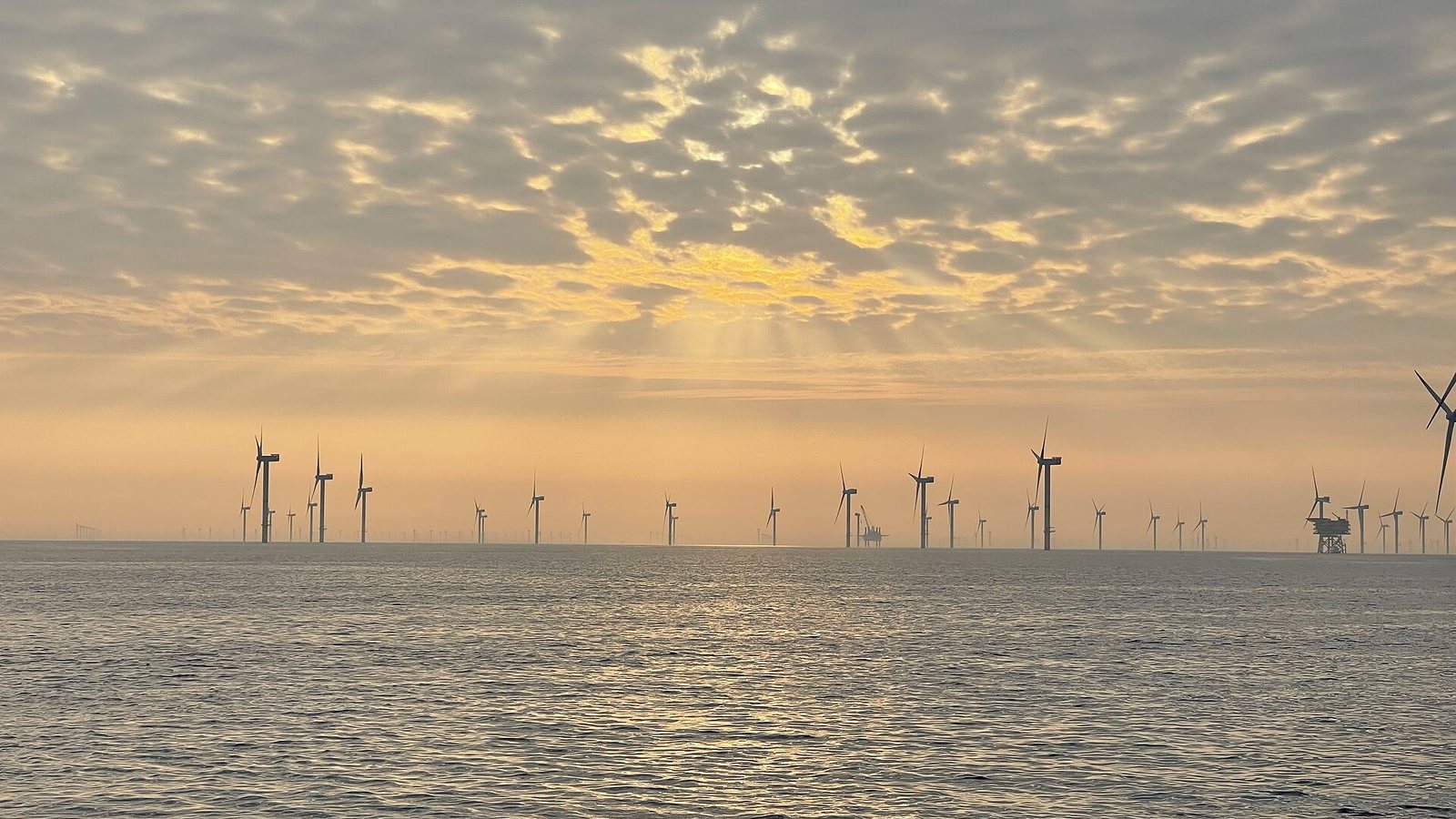
Under the agreement, EU governments gain a faster legal pathway to approve new wind and solar farms, transmission and distribution upgrades, and battery storage facilities, building on the “overriding public interest” designation first introduced in emergency permitting rules in late 2022, with offshore wind capacity such as the UK’s Hornsea farm illustrating the scale planners are trying to replicate faster. That earlier framework aimed to cap permitting timelines at roughly 12 months after environmental assessment for most onshore projects, and two years for offshore wind; the new provisional agreement extends and reinforces that approach specifically for grid and storage infrastructure, which had lagged generation capacity in earlier reforms. The deal still requires formal sign-off from both the Parliament and Council before it takes effect in member states.
The price tag behind the urgency
The European Commission’s own grid investment estimate puts the bloc’s transmission and distribution upgrade needs through 2030 at €584 billion, a figure that has made permitting speed — not just funding — a central bottleneck for renewables deployment. That capital need has collided with a sharp rise in energy import costs: EU spending on petroleum oil imports averaged $30.7 billion (€27.6 billion) a month in the second quarter of 2026, up from $19.7 billion (€17.7 billion) in the same quarter of 2025, according to figures cited in the reporting. Import volumes rose only 1.2% over that period, meaning price, not demand, drove almost the entire increase — a pattern consistent with the oil market disruption linked to the closure of the Strait of Hormuz. Euronews Business has separately estimated the EU paid roughly $11 billion (€9.9 billion) more per month for oil in the second quarter of 2026 than its 2025 monthly average.
The obstacles permitting reform alone won’t fix
Faster permits address one bottleneck, but not all of them. Grid operators and developers have flagged increasingly frequent negative wholesale electricity prices — a byproduct of growing wind and solar capacity outpacing grid flexibility and storage — as a separate drag on renewables profitability, since periods of oversupply can force generators to pay to offload power rather than earn revenue from it. Battery storage costs, while falling, remain high enough to limit how much flexibility can be added quickly, and grid upgrade costs themselves are a major share of the €584 billion estimate, meaning faster approvals still depend on contractors, equipment and capital being available to build what gets approved.
Politics of an energy-security argument
The provisional agreement is being framed in Brussels less as a climate measure than as an energy-security one: reducing oil and gas import dependence is presented as a hedge against exactly the kind of price shock the EU experienced after Strait of Hormuz disruptions pushed up global crude benchmarks. That framing has helped build support among member states more cautious about renewables mandates on climate grounds alone — particularly those still near the bottom of Europe’s rankings for cheap electricity and most exposed to import-price swings — though it also raises the stakes if permitting reform fails to translate into built capacity quickly enough to show results before the next price shock.
What happens next
The provisional deal must still clear final technical sign-off from the European Parliament and Council before entering into force, with national governments then responsible for transposing the faster permitting rules into domestic planning law — a step where previous EU permitting directives have seen uneven and sometimes slow implementation across member states. The real test of this round of reform will be whether permitting timelines actually shorten in practice over the next one to two years, rather than in the text of the agreement itself.
Sources
Reuters, reporting on the EU Council–Parliament provisional agreement on renewables permitting, November 18, 2026.
European Commission, grid investment needs estimate through 2030.
Euronews Business, EU oil import cost estimates, 2026.
Illustrative image. Photo: Capmat007, CC BY-SA 4.0, via Wikimedia Commons — source


