US Energy Department Puts $42 Million Toward Reviving the Constitution Pipeline

The US Department of Energy said October 19 it will provide up to $42 million in Defense Production Act (DPA) Title III funding to support early-stage work on the Constitution Pipeline, a long-dormant proposal to build a 125-mile natural gas pipeline from Pennsylvania into New York state. The money is earmarked for pre-construction and permitting activity rather than actual pipe-laying, and DOE frames the project explicitly in security terms, saying it would help strengthen the resilience of the nation’s energy system and its defense industrial base.
What the money actually covers
DOE’s funding can be used for environmental reviews and assessments, engineering and site-preparation studies, and other costs tied to securing the regulatory approvals the project still needs. It does not fund construction itself. Energy Secretary Chris Wright said the funding would reduce the risk of blackouts during periods of peak electricity demand and “make our nation more secure,” framing the pipeline as part of a broader push to shore up gas delivery capacity into the US Northeast.
A project with a troubled history
Constitution Pipeline is not a new proposal. Williams Companies and partners first pursued the line years ago to move Marcellus Shale gas from Pennsylvania into New York and New England markets, but the project collapsed in 2020 after New York state regulators denied the water-quality permits it needed to cross the state’s streams and wetlands. Williams has since worked intermittently to revive the route, and the new DPA funding — tied to a Trump administration push to use defense-production authority for energy infrastructure it deems strategically important — gives the project its most concrete federal backing since the 2020 cancellation. One market report noted Williams’ shares dipped the day the funding was announced, though the company did not immediately comment on the move.
Part of a wider pattern in the Northeast’s gas squeeze
The Northeast’s chronic pipeline-capacity constraints have repeatedly shown up in regional gas prices and reliability debates; a pipeline outage in West Virginia earlier this year briefly sent US gas futures to a three-month high, a reminder of how sensitive the region’s balance is to any single piece of midstream infrastructure. Reviving Constitution — or a project like it — has long been one of the proposed fixes for New York and New England’s winter gas and power price spikes, though the same state-level permitting authority that killed the project in 2020 remains in place and has not signaled a change of position.
Using defense authority for civilian energy infrastructure
Tapping Title III of the Defense Production Act for a civilian gas pipeline is itself notable: the authority is more commonly associated with funding production capacity for military hardware or critical minerals processing than with interstate pipelines. The Trump administration has leaned on DPA authority several times this year to back energy projects it argues are tied to grid reliability and national security, a broader pattern that includes support for other gas and nuclear fuel infrastructure. Whether that legal rationale withstands scrutiny from New York regulators and environmental groups that opposed Constitution the first time around remains an open question, since federal funding for pre-construction work does not override the state’s water-quality permitting authority.
Sources
- US Department of Energy, “Energy Department Advances Constitution Pipeline Project with $42 Million in Defense Production Act Funding,” October 19, 2026, energy.gov — primary source for funding amount, scope and Secretary Wright’s statement.
- World Pipelines, “US Department of Energy Funds 125-Mile Pipeline,” October 21, 2026 — independent confirmation of project scope and route.
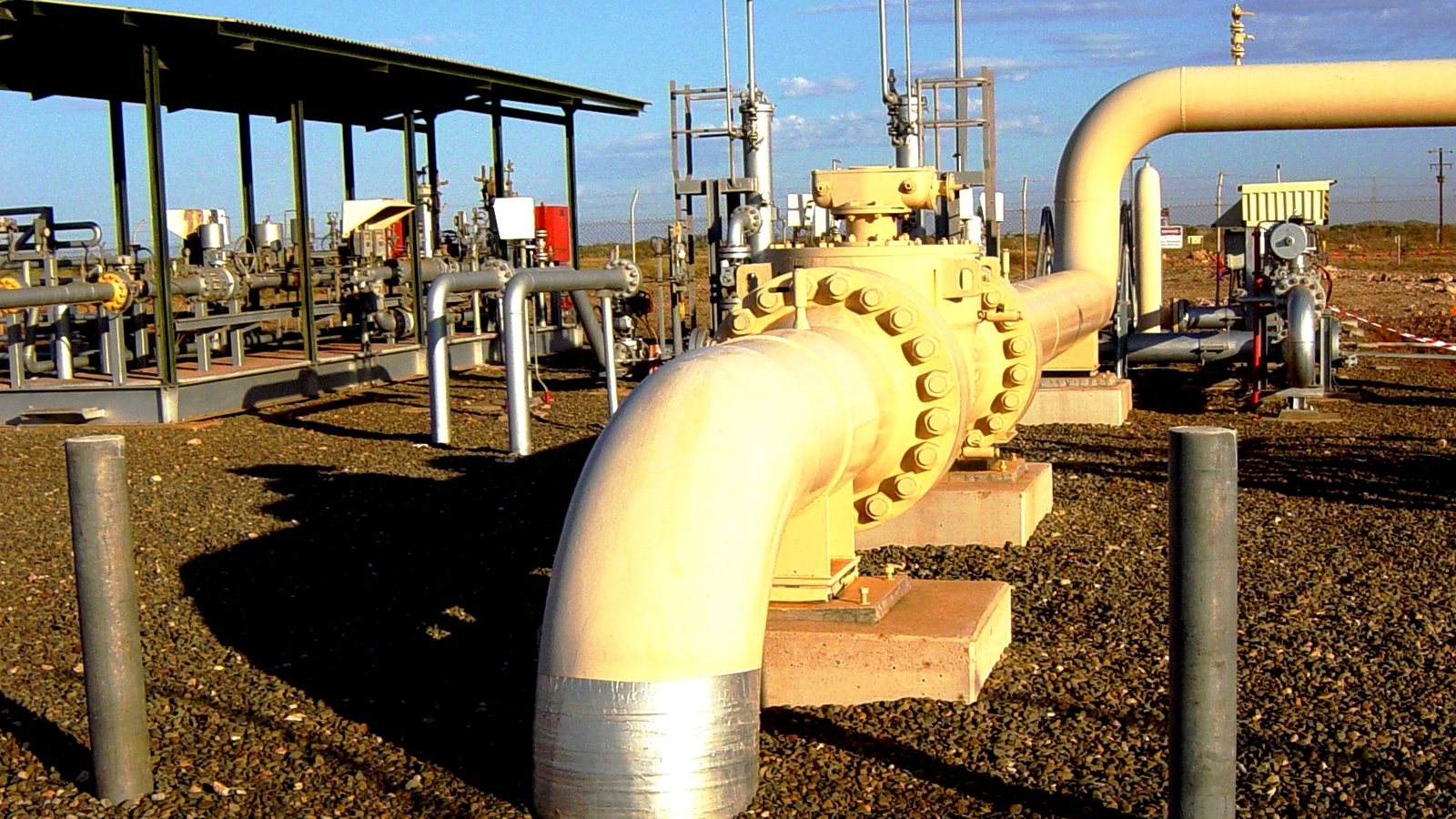
Illustrative image. Photo: Glen Dillon, CC BY 3.0, via Wikimedia Commons — source