


What Is a CCGT (Combined Cycle Gas Turbine) Power Plant?

Last updated: November 16, 2026
A combined cycle gas turbine (CCGT) plant pairs a gas turbine with a steam turbine so that waste heat from the gas turbine’s exhaust is reused to generate additional electricity. By capturing heat that a simple-cycle gas plant would otherwise vent, CCGT plants reach substantially higher fuel efficiency than gas turbines running alone, which is why combined-cycle technology has become the largest single source of U.S. generating capacity.
Definition: What Is a CCGT?
A CCGT combines two thermodynamic cycles in one power plant: a gas turbine (Brayton cycle) and a steam turbine (Rankine cycle). The gas turbine burns natural gas to spin a generator directly; its hot exhaust, which would otherwise be wasted, is routed through a heat recovery steam generator (HRSG) that produces steam to drive a second, steam-turbine generator. The UK’s former DECC glossary defines it as a plant whose gas turbine exhaust is used to raise steam for an additional steam turbine, increasing the efficiency of the plant above that of open-cycle (simple-cycle) gas turbines. The EU’s Best Available Techniques reference documents describe it as a combustion plant using two thermodynamic cycles — Brayton and Rankine.
How a CCGT Works
According to the U.S. Department of Energy, a gas turbine itself has three main sections:
- Compressor — draws in air and pressurizes it before it enters the combustion chamber.
- Combustion system — fuel injectors mix natural gas with the compressed air, and the mixture burns at temperatures above 2,000°F (roughly 1,100°C).
- Turbine — the resulting hot, high-pressure gas expands through alternating rows of stationary and rotating blades, spinning the rotating blades to drive both the compressor and an electricity generator.
In a combined-cycle configuration, the gas turbine’s hot exhaust — which can still exceed 1,000°F — passes into a heat recovery steam generator (HRSG). The HRSG uses that exhaust heat to boil water into high-pressure steam, and that steam drives a separate steam turbine generator, producing a second stream of electricity from the same fuel input. Some designs instead (or additionally) use a recuperator, which uses exhaust waste heat to preheat the compressed air before it reaches the combustion chamber, rather than raising steam.
Why CCGT Efficiency Matters
Efficiency is the central reason CCGT plants exist. The U.S. DOE states that simple-cycle gas turbines typically convert about 20% to 35% of fuel energy into electricity, while advanced turbine designs under DOE research programs — running at inlet temperatures up to 2,600°F — have demonstrated efficiencies as high as 60% in combined-cycle configuration. DOE adds that if captured waste heat is also put to use for heating or industrial processes (combined heat and power), overall energy-cycle efficiency can approach 80%.
The EIA frames the efficiency gain in heat-rate terms: in 2020, combined-cycle units averaged an operating heat rate of about 7,146 Btu per kWh generated, versus roughly 10,000 Btu per kWh for simple-cycle gas turbines — meaning the combined-cycle fleet used markedly less fuel to generate the same electricity. A lower heat rate means higher efficiency, since less fuel energy is required per unit of electricity produced.
Where CCGT Plants Fit in the Power System
Because they can ramp output up and down faster than coal or nuclear plants, CCGT plants are widely used both for baseload generation and for following swings in electricity demand. In the United States, the EIA reports that combined-cycle gas plants surpassed coal-fired generators in 2018 to become the technology with the most installed electricity-generating capacity in the country, and that the combined-cycle fleet’s average capacity factor rose from about 40% in 2008 to about 57% in 2022 as more plants ran closer to continuously rather than only at peak hours.
CCGT plants are also central to discussions of power-sector flexibility alongside battery storage: see What Is a Battery Energy Storage System (BESS)? for how batteries and gas plants compete and complement each other in balancing variable renewable output.
Key Characteristics
| Attribute | Simple-Cycle Gas Turbine | Combined-Cycle Gas Turbine (CCGT) |
|---|---|---|
| Typical fuel-to-electricity efficiency | ~20–35% (DOE) | Up to ~60% in advanced designs (DOE); U.S. fleet average heat rate implies higher efficiency than simple cycle (EIA, 2020) |
| Main components | Compressor, combustor, turbine, generator | Gas turbine + HRSG + steam turbine + (usually) a second generator |
| Startup speed | Fast — suited to peaking duty | Slower to full combined-cycle output than simple cycle, but still faster than coal or nuclear |
| Typical role | Peaking / reserve capacity | Baseload and mid-merit generation |
Efficiency figures: U.S. DOE, “How Gas Turbine Power Plants Work,” and U.S. EIA heat-rate data for 2020; figures describe fleet averages and program-level demonstrations, not every individual plant.
Related Technologies
CCGT plants are one of several thermal generation designs; they compare with simple-cycle (open-cycle) gas turbines, coal-fired steam plants, and nuclear steam plants, all of which ultimately spin a turbine-generator, but differ in fuel, startup speed, and the use (or absence) of a bottoming steam cycle. The levelized cost of a CCGT plant is commonly compared against other generation types using LCOE — see What Is LCOE (Levelized Cost of Electricity)? CCGT plant economics are also highly sensitive to the price of natural gas, commonly benchmarked in the U.S. against Henry Hub — see What Is Henry Hub and Why Does It Set U.S. Gas Prices?
Real-World Examples
- In the United States, combined-cycle gas plants overtook coal as the single largest source of installed generating capacity in 2018, according to EIA data.
- Many European and Gulf-region utilities have built large CCGT fleets to back up growing wind and solar capacity, given their ability to ramp faster than coal or nuclear plants.
- DOE-backed advanced turbine research programs have pushed inlet temperatures toward 2,600°F in pursuit of combined-cycle efficiencies around 60% and higher.
FAQ
What is a CCGT power plant?
A CCGT (combined cycle gas turbine) plant uses a gas turbine to generate electricity directly from burning natural gas, then captures the turbine’s exhaust heat in a heat recovery steam generator to produce steam that drives a second, steam-turbine generator — producing more electricity from the same fuel than a gas turbine alone.
How efficient is a CCGT plant?
The U.S. Department of Energy states that simple-cycle gas turbines convert about 20–35% of fuel energy into electricity, while advanced combined-cycle designs have demonstrated efficiencies as high as 60%. The EIA’s 2020 fleet data put the average combined-cycle heat rate at about 7,146 Btu/kWh, versus about 10,000 Btu/kWh for simple-cycle turbines.
What is the difference between a simple-cycle and combined-cycle gas turbine?
A simple-cycle gas turbine vents its hot exhaust after it has spun the turbine. A combined-cycle plant instead routes that exhaust through a heat recovery steam generator to make steam for an additional steam turbine, extracting more electricity from the same fuel and raising overall efficiency.
Why are CCGT plants important for the power grid?
They can start up and adjust output faster than coal or nuclear plants while running more efficiently than simple-cycle gas turbines, making them useful for both continuous (baseload-like) generation and for balancing variable demand and renewable output.
Related The Daily Energy Pages
- What Is Natural Gas and How Is It Used?
- What Is LCOE (Levelized Cost of Electricity)?
- What Is Henry Hub and Why Does It Set U.S. Gas Prices?
- What Is a Battery Energy Storage System (BESS)?
- US Energy Profile: Oil, Gas, Power and Policy (2026)
Sources
- U.S. Department of Energy, “How Gas Turbine Power Plants Work,” accessed November 2026.
- U.S. Energy Information Administration, Today in Energy, combined-cycle capacity and heat-rate reporting (2020–2022 data).
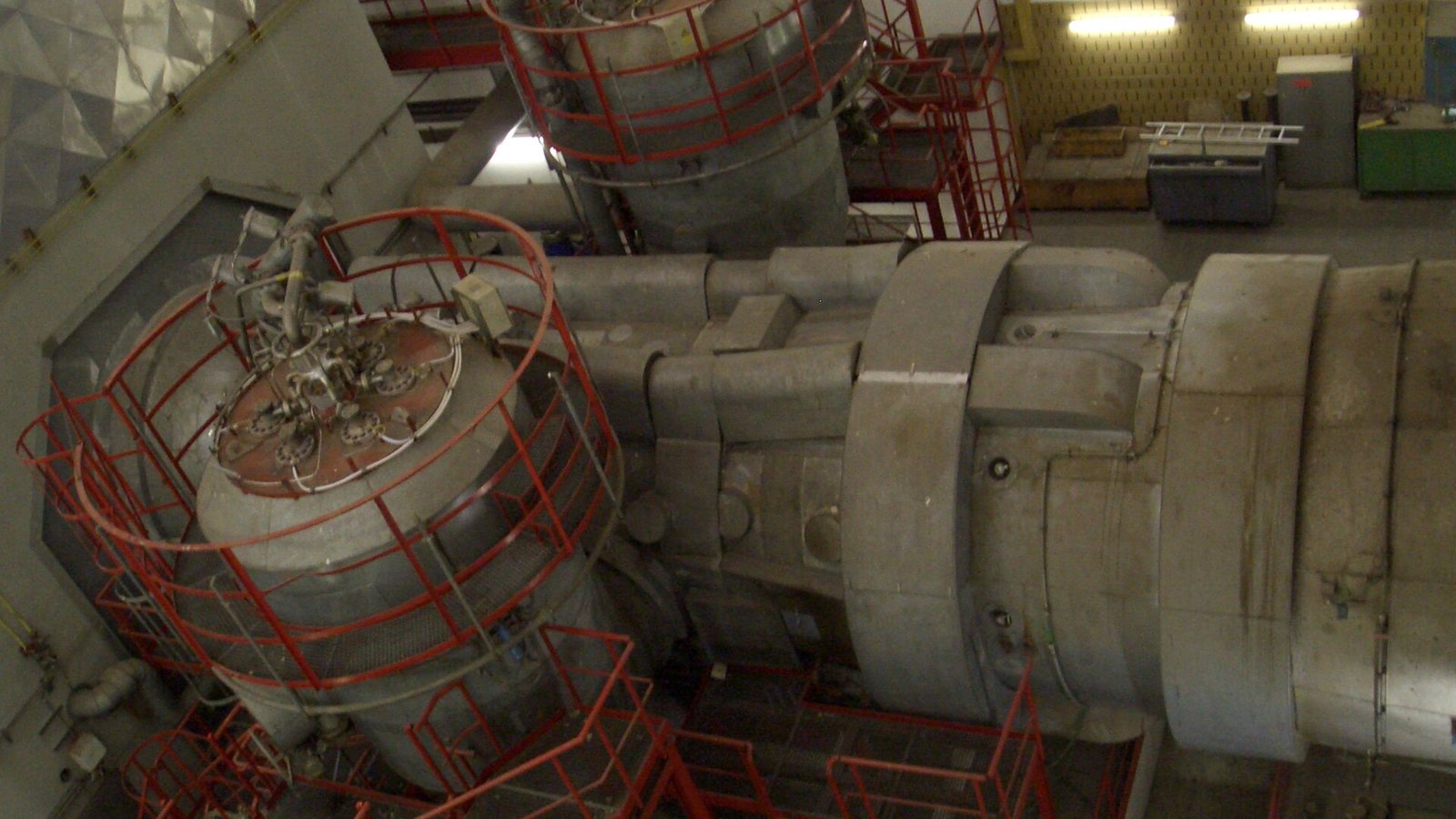
Illustrative image. Photo: Wdwd, CC BY-SA 3.0, via Wikimedia Commons — source



[…] plants, compressor stations, underground storage caverns used to balance seasonal demand, combined-cycle gas turbine (CCGT) power plants, and the LNG value chain of liquefaction plants, LNG carriers, and regasification/import […]