


Ukraine Drone Strike Hits Russia’s Ryazan Refinery as Ceasefire Unravels
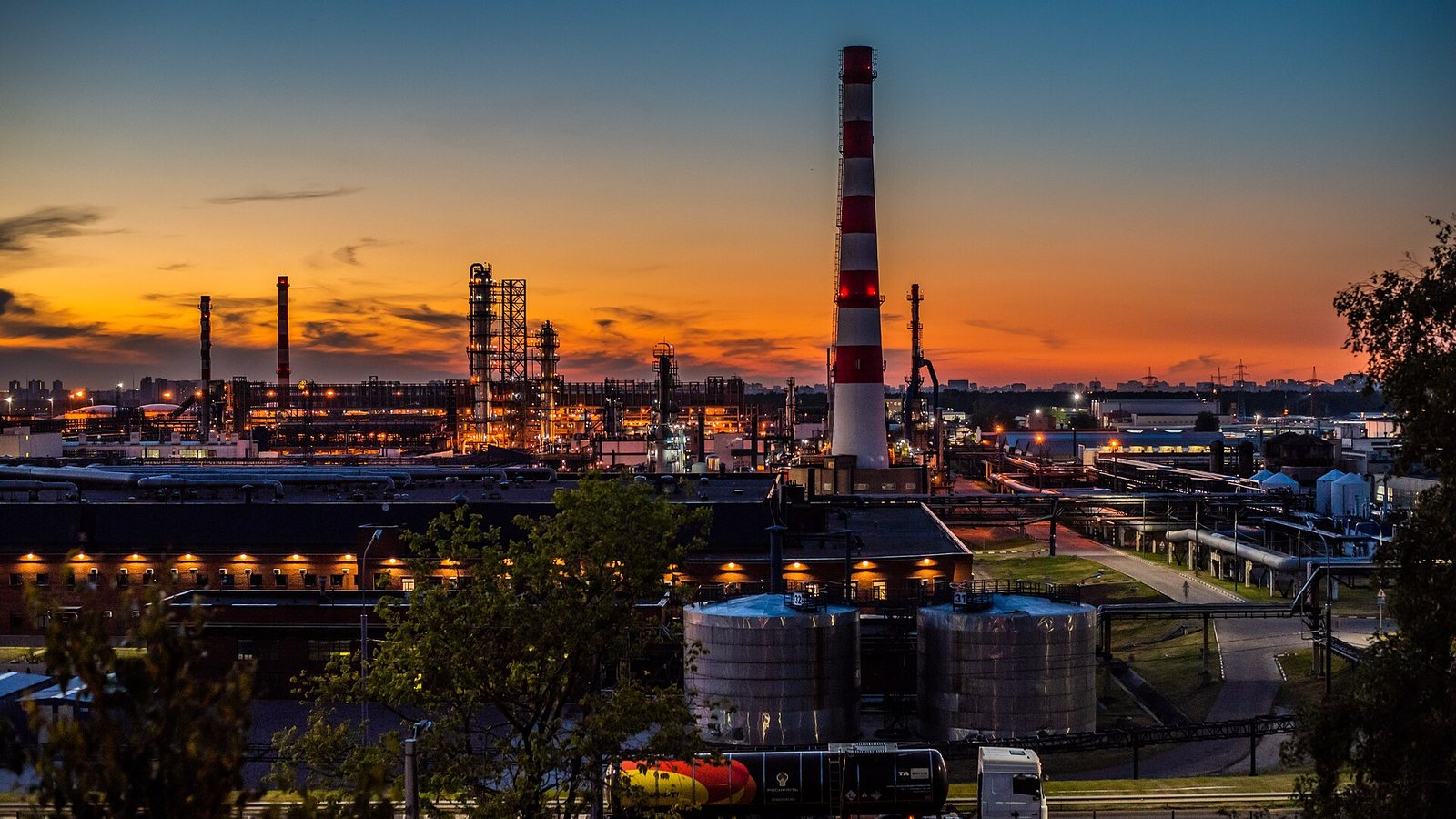

Ukrainian drones set fire to Russia’s Ryazan oil refinery, owned by state major Rosneft, overnight into October 15, regional governor Pavel Malkov said, in the first confirmed strike on a major Russian refinery since Kyiv said it would resume attacks following the breakdown of a US-brokered “energy ceasefire.” Malkov said the fire was being assessed and that a warehouse and vehicles at a separate industrial site in the city were also damaged, with no civilian casualties reported. Russia’s defense ministry said it had intercepted 166 Ukrainian drones overnight across multiple regions.
A truce that neither side defined the same way
The strike followed public comments from Ukrainian President Volodymyr Zelensky that Kyiv would no longer hold back attacks on Russian energy infrastructure, in an increasingly public dispute with US President Donald Trump over Washington’s restrictions on sharing US intelligence that Ukraine has used to help target refineries deep inside Russia. Trump has said a Russia-Ukraine “energy ceasefire” he announced was still holding; the Kremlin has said the truce’s terms were never clearly defined in the first place, and Moscow has continued striking Ukrainian energy infrastructure through the period in question. Accounts of the Ryazan strike itself are not fully aligned: at least one outlet has reported that a Ukrainian presidential adviser denied Kyiv had hit the refinery and said a nearby data center was the actual target, a discrepancy that has not been independently resolved.
A mid-sized refinery, repeatedly targeted
The Ryazan refinery, located roughly 180 km southeast of Moscow and supplying fuel to the capital region, is one of Rosneft’s larger processing sites but accounts for a comparatively modest slice of national throughput, with outlets estimating its share at around 5% of Russia’s refining capacity; published nameplate-capacity figures for the plant vary by source and year, reflecting the refinery’s periodic upgrades, and it was not immediately confirmed whether the October 15 fire had forced a halt to processing. The plant has been a recurring target: Ukrainian drones forced earlier suspensions at Ryazan in May, July and September, according to Russian and international reporting, making this the latest in a pattern rather than an isolated incident.
The renewed strikes on Ryazan echo an earlier wave: in late September, Ukrainian drones knocked out refineries in Perm and in Novoshakhtinsk, in Rostov region, part of a sustained campaign against Russia’s downstream oil sector that has run alongside Russian strikes on Ukraine’s own power plants and gas infrastructure.
Why a single refinery strike moves energy markets
Strikes on Russian refining capacity matter well beyond the plant gates. Repeated attacks since 2024 have periodically forced Russia to curb gasoline and diesel exports to protect domestic supply, tightened European and Asian product markets already strained by Middle East supply risk around the Strait of Hormuz, and kept a geopolitical risk premium embedded in oil and refined-product prices even as crude production itself has been largely unaffected. For Moscow, every barrel of crude that cannot be processed domestically because of refinery damage still has to find an export buyer or storage, while the refined fuels a damaged plant would have supplied — gasoline, diesel, jet fuel — have to be sourced from elsewhere in the country’s network or from imports, raising costs and logistics strain during Russia’s autumn and winter demand season.
For Kyiv, the targeting logic is explicit: refineries, unlike upstream oil and gas fields deep in Russia’s interior, are reachable by Ukraine’s long-range drone fleet and generate an economic cost to the Russian state that complements, rather than duplicates, Western sanctions on crude exports. Whether the October 15 strike marks the start of a sustained new campaign — as Zelensky’s public comments suggested — or a single reprisal tied to the ceasefire dispute will depend largely on whether further attacks follow in the coming days.
Sources
- The Moscow Times, “Ukrainian Drones Spark Fire at Ryazan Refinery as Zelensky Vows to Resume Attacks,” October 15, 2026 — themoscowtimes.com (governor’s statement, drone interception count, strike history).
- Outlook India, “Ukraine Strikes Russian Oil Refinery As Zelenskyy Ends Restraint Under Trump’s Energy Truce,” October 2026 — outlookindia.com (ceasefire context, refinery capacity share).
- Newsy Today, reporting a Ukrainian presidential adviser’s denial and alternative target claim — newsy-today.com.
Illustrative image. Photo: kishjar? from Moscow, Russia, CC BY 2.0, via Wikimedia Commons — source



.jpg)