


Oil Tops $106 as Iran Threatens to Extend Tanker Attacks Beyond Hormuz
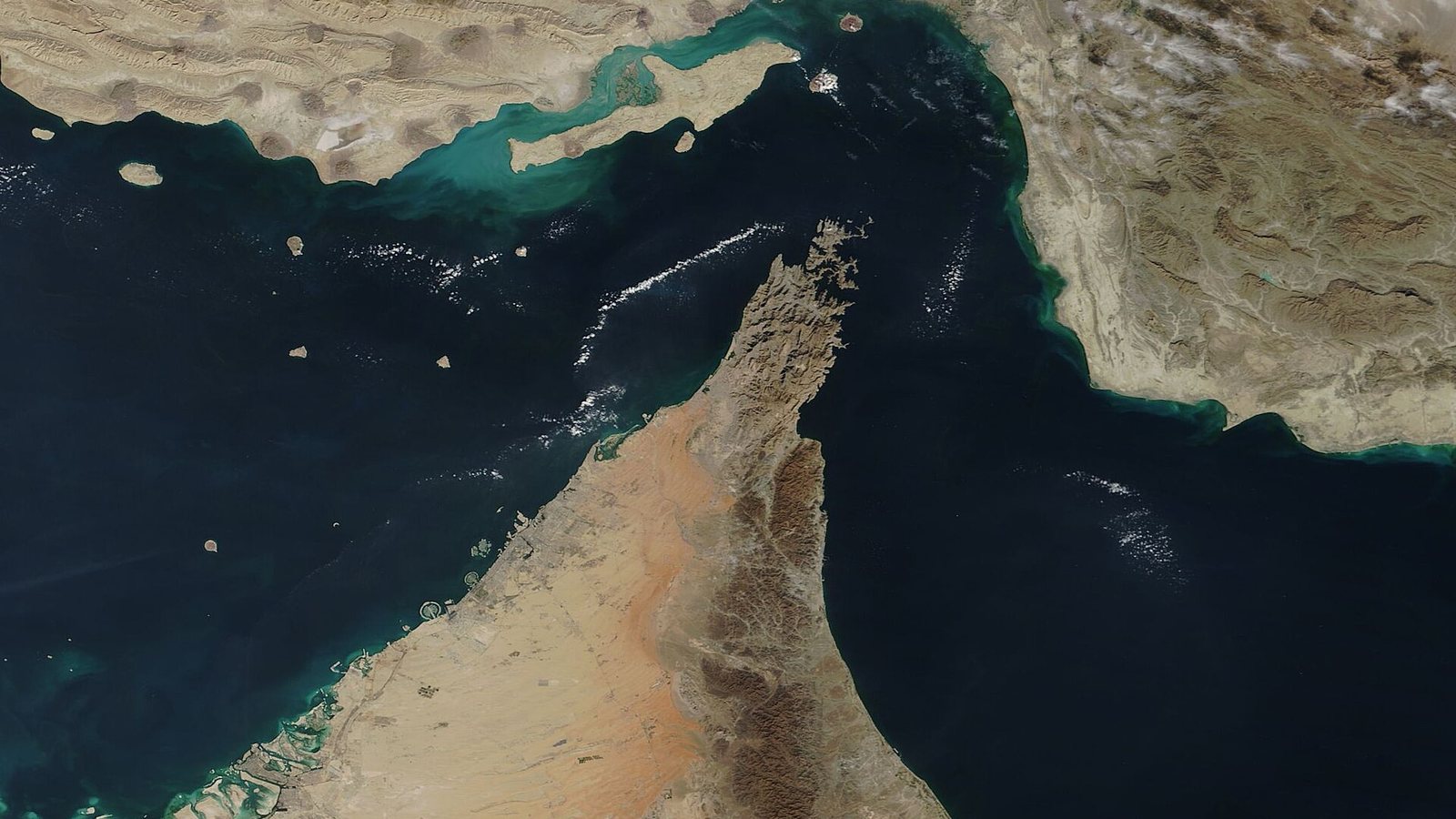

Brent crude climbed above $106 a barrel on Tuesday, its highest level in weeks, after Iran’s Islamic Revolutionary Guard Corps (IRGC) struck another tanker near the Strait of Hormuz and warned that it would no longer confine its campaign against “violating” vessels to the strait itself. Iranian officials told Reuters that forces plan to intensify strikes on tankers passing through the waterway, pushing a seven-month conflict between Iran and the US-Israeli coalition deeper into the oil market’s most sensitive chokepoint.
IRGC widens its target list beyond the strait
The IRGC Navy said it targeted the engine room and propulsion system of the MV Sun Shine, a tanker belonging to the company Natwit, after the vessel attempted what Tehran described as an “unauthorized route” through the southern section of the strait. In a statement carried by Iranian state media, the Guards said any ship using routes it deems unauthorized would now be “pursued and punished anywhere in the region,” not only within the roughly 33-kilometer-wide passage between Iran and Oman.
The warning marks an escalation from Iran’s previous posture, which had largely confined enforcement to the strait and its immediate approaches. Shipping trackers reported at least three tankers were targeted in or near Hormuz between Sunday and Monday, part of what regional media describe as 15 vessels hit across the first 12 days of October. The UK Maritime Trade Operations agency (UKMTO) gave a more conservative tally, confirming six vessel strikes on a single Sunday, including a drone attack near Oman’s Sohar anchorage.
Iran separately claimed that a supertanker struck a naval mine in the area, but the claim was disputed. Shipping analyst Sal Mercogliano said video circulating with the claim did not show evidence consistent with a mine strike, noting that the vessel was stationary with no visible underwater explosion.
A war with no diplomatic off-ramp
The current wave of attacks is the latest chapter in a conflict that began in February 2026, when US and Israeli strikes hit targets inside Iran. The United States and Iran reached a memorandum of understanding in June outlining a framework to end the fighting, but the truce did not hold: renewed Iranian attacks on shipping in the strait prompted a resumption of US military operations over the summer, and diplomatic efforts have been stalled since, as TheDailyEnergy reported earlier this week.
Some reports this week cited unnamed officials saying Israeli Prime Minister Benjamin Netanyahu had asked US President Donald Trump to resume strikes on Iranian territory. That claim has not been independently confirmed, and neither Tehran nor Washington has addressed it publicly, so it is being treated here as a contributing factor to market sentiment rather than a confirmed development.
The lack of resolution has kept the Strait of Hormuz, through which roughly a fifth of global oil consumption normally passes, under recurring threat for months. Rystad Energy has previously estimated that flows through the strait fell to about 2 million barrels a day during the heaviest fighting in September, down from 8–9 million barrels a day before hostilities resumed on August 30.
Oil markets react, again
Brent crude traded at $106.37 a barrel on Tuesday morning, up roughly 2% from Monday’s close, while West Texas Intermediate stood at $94.72. The move extends a rally that began in September, when Brent first broke back above $100 a barrel for the first time since July after the US sank several Iranian tankers and Iran responded by striking vessels it accused of violating its transit rules. Prices had peaked near $115 a barrel in early May, at the height of an earlier escalation, before easing after an April ceasefire that ultimately did not hold.
OPEC, meanwhile, has projected that global oil demand growth will surge to 2.6 million barrels per day in 2027, a forecast that assumes supply routes such as Hormuz keep functioning despite the risk premium now built into prices. For shippers and insurers, the IRGC’s new “anywhere in the region” language complicates risk calculations that had previously treated the strait itself as the main danger zone. War-risk premiums for tankers transiting the Gulf had already risen sharply during the September escalation, and an expanded threat perimeter is likely to keep those costs elevated even for vessels routing further from the strait’s narrowest point.
The region has seen a parallel rise in attacks on energy and civilian infrastructure beyond shipping lanes this month. Saudi Arabia intercepted a new wave of Houthi missiles aimed at Riyadh just a day before the latest Hormuz strike, and Japan has urged other Asian importers to build up strategic oil reserves given the mounting Middle East risk — a sign that buyers are treating the disruption as a structural feature of the regional energy landscape rather than a temporary shock.
Sources
- OilPrice.com, “Oil Prices Climb Above $106 as Iran Threatens More Tanker Attacks,” Oct. 14, 2026 — Brent/WTI price levels and Reuters-sourced reporting on Iran’s plan to intensify strikes.
- The National News, “Strait of Hormuz attacks surge as Iran steps up campaign against US-backed oil shipping,” Oct. 13, 2026 — details of the MV Sun Shine strike, the expanded threat perimeter and the UKMTO strike tally.
- Times of Israel liveblog, “Iran Guards say they struck tanker transiting Hormuz via ‘illegal route’,” Oct. 2026 — IRGC statement details and the disputed naval-mine claim.
Illustrative image. Photo: MODIS Land Rapid Response Team, NASA GSFC, Public domain, via Wikimedia Commons — source


.jpg)