


Shell and Partners Approve LNG Canada Phase 2, Doubling Kitimat’s Export Capacity

Shell and its four partners in LNG Canada took a final investment decision on Tuesday to build a second phase of their liquefied natural gas export terminal at Kitimat, British Columbia, a project that would double the site’s export capacity from 14 million tonnes per annum (mtpa) to 28 mtpa. Shell, which holds a 40% stake in the joint venture, said the expansion would add nearly 6 mtpa to its own equity volumes once the new trains are running in the early 2030s.
A second set of trains at Kitimat
Phase 2 will add two new LNG processing trains alongside the two that make up the original facility, which began shipping cargoes to Asia in the summer of 2025. The other partners in the joint venture are Malaysia’s Petronas, China’s PetroChina, Japan’s Mitsubishi Corporation and South Korea’s state-owned gas importer Kogas, each of which will take a proportionate share of the additional offtake. “LNG Canada is a core part of our Integrated Gas portfolio, helping to supply LNG to customers in Asia at a time when diversity of energy supplies and energy security are increasingly important,” Cederic Cremers, Shell’s Integrated Gas President, said in announcing the decision.
A decision that came together faster than expected
Shell chief executive Wael Sawan had told investors for much of 2026 that a Phase 2 decision was likely only by the end of the year, and reports as recently as mid-September suggested the joint venture might not formally sign off until early October. The partners got there a little earlier, helped by a cooperation agreement between the Canadian federal government and the government of British Columbia that smoothed regulatory and fiscal terms for the expansion, and by hundreds of millions of Canadian dollars in incremental funding the venture had already approved to keep engineering and long-lead procurement moving while the FID was finalized.
Security of supply is doing a lot of the selling
The timing lands at a moment when Asian buyers are paying closer attention than usual to where their gas comes from. Disruptions to shipping through the Strait of Hormuz and the Red Sea over the past several months have pushed importers in Japan, Korea, Taiwan and elsewhere to favor suppliers reachable without transiting Middle Eastern chokepoints. Canada’s Pacific coast location gives Kitimat cargoes a considerably shorter sail to Asia than Gulf Coast terminals in the United States, whose shipments to Asian buyers must clear either the Panama Canal or a longer route around South Africa or South America. Qatar, the traditional dominant supplier to Asia, has itself been managing force majeure on some cargoes tied to the Hormuz situation, a dynamic that has made alternative, geopolitically insulated supply routes like Kitimat more attractive to buyers locking in long-term contracts.
What it means for Canada’s LNG ambitions
LNG Canada was already the country’s first large-scale LNG export project when Phase 1 loaded its inaugural cargo last year, ending decades of proposals that never reached construction. Doubling the terminal to 28 mtpa would put it in the same capacity class as some of the larger complexes on the US Gulf Coast and give Canada a second major gas export outlet beyond pipeline sales to the United States. First Nations engagement and permitting for the expanded footprint continue alongside early construction planning, and the partners have not yet detailed a total capital cost for Phase 2 or a precise in-service date beyond the early-2030s window.
Sources
- OilPrice.com, “LNG Canada to Double Export Capacity After Shell Approves Phase 2,” September 29, 2026 — FID date and time, capacity figures, partner shareholdings, Shell executive quote, timeline. oilprice.com
- Mining Weekly (Reuters), “Shell-led LNG Canada could approve Phase 2 expansion by early October, sources say,” September 18, 2026 — background on FID timeline and joint-venture funding approvals ahead of the decision. miningweekly.com
- LNG Prime, “Shell CEO: LNG Canada Phase 2 FID likely by end of this year,” 2026 — Shell CEO Wael Sawan’s prior FID timeline guidance. lngprime.com
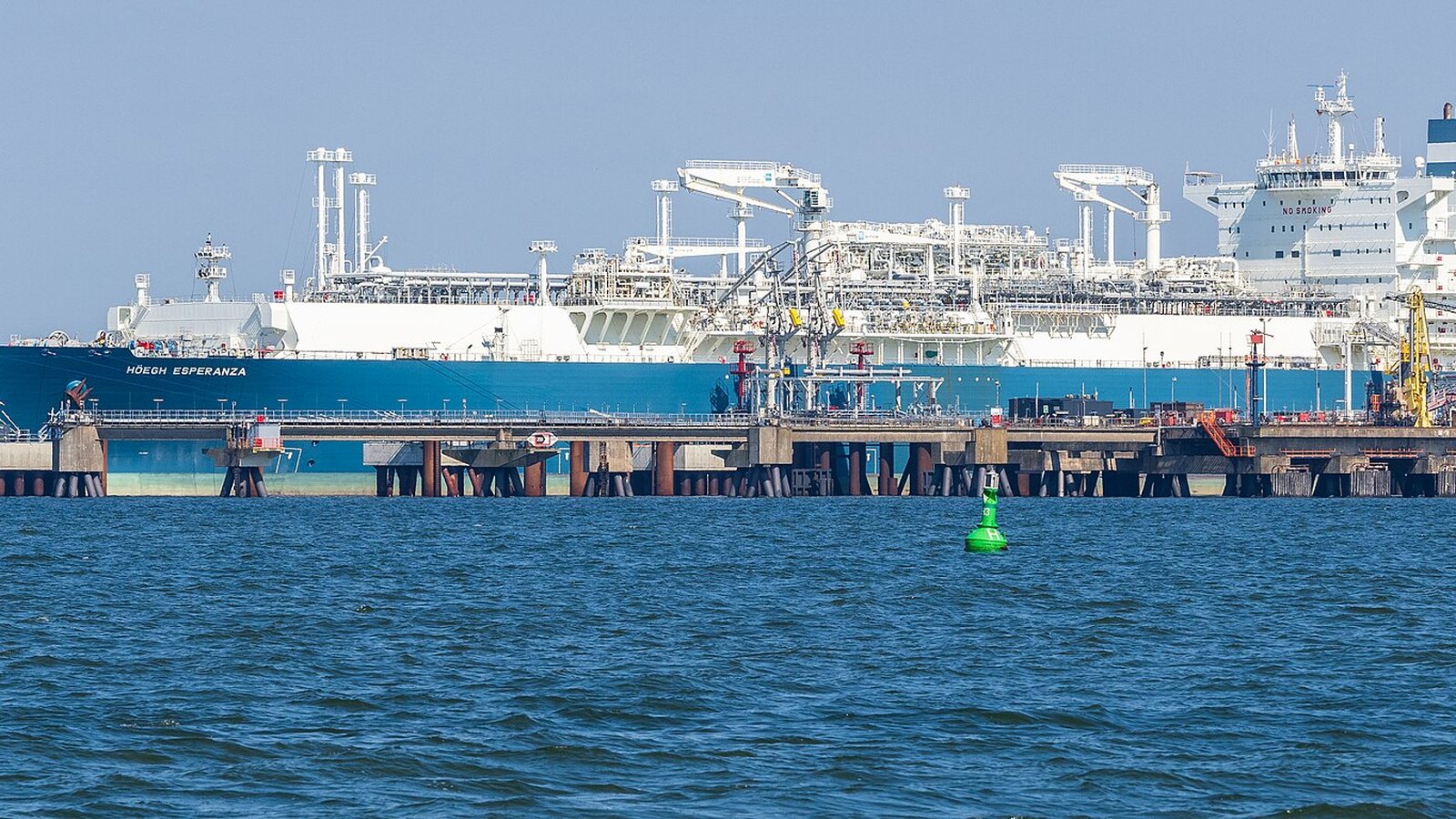
Illustrative image. Photo: JoachimKohler-HB, CC BY-SA 4.0, via Wikimedia Commons — source


.jpg)