Saudi Arabia Restarts Red Sea Crude Loadings After Pipeline Attack

Saudi Arabia has resumed crude oil loadings at its Red Sea port of Yanbu, according to Reuters, which cited vessel-tracking data and trade sources, after drone attacks that the kingdom has attributed to an Iraqi militia damaged pumping stations on the East-West Pipeline in mid-September and forced a roughly two-week shutdown. Saudi Aramco notified customers late Monday about October loading schedules, a sign the state producer expects the restored flows to hold.
A pipeline that has quietly become critical
The East-West Pipeline normally carries around 4 million barrels a day from the kingdom’s Eastern Province oil fields across the peninsula to Yanbu, letting a significant share of Saudi crude reach export tankers on the Red Sea without ever approaching the Strait of Hormuz. That routing has taken on outsized importance since the strait became effectively unusable for normal shipping earlier this year; diplomatic efforts to reopen Hormuz, including a seven-day plan Iran offered and the Trump administration rejected, have not restored normal transit. Losing the East-West line, even temporarily, meant losing one of the kingdom’s few remaining ways to move crude to Asian and European buyers without relying on a waterway that has been a flashpoint for months.
A partial, cautious restart
Reuters reported that the pipeline resumed at a reduced pumping rate in the past week, with Aramco working to raise throughput back toward its roughly 4 million-barrel-a-day design capacity, though no public timetable has been given for reaching that level. Satellite imagery reviewed by trade sources showed around 40 tankers waiting at the Yanbu and Al Muajjiz terminals with close to 10 million barrels of crude visible at the two sites, a backlog that built up while loadings were suspended and that will take time to clear even now that vessels are being worked again. Current loadings at Yanbu are running at roughly half the pipeline’s normal capacity, around 2 million barrels a day, based on the vessel-tracking data cited by Reuters.
What it means for Saudi exports and the broader market
The disruption and restart come as Middle East crude exports overall have been running around 12.8 million barrels a day this month, with Gulf producers already navigating reduced options for moving oil safely out of the region. Saudi Arabia’s own production levels have stayed close to its OPEC+ quota through the disruption, but a prolonged Yanbu outage would have forced the kingdom to either build up onshore inventory, cut term-contract deliveries, or route more crude back toward Gulf-side terminals that remain more exposed to the Hormuz situation. Oil prices had already been reacting to the broader run of Gulf supply disruptions this year, and a full pipeline outage lasting much longer than two weeks would likely have added a fresh risk premium on top of that.
A security problem without a quick fix
Saudi officials have not detailed the extent of damage to the pumping stations or given a date for full repair, and the kingdom has offered no public response yet to the attribution of the attacks to an Iraqi militia. Saudi Arabia’s crude output capacity depends on being able to move barrels reliably to both Gulf and Red Sea outlets, and the East-West line’s vulnerability to attack, on top of the Hormuz situation on the other side of the peninsula, leaves the kingdom with fewer redundant export routes than it had at the start of the year.
Sources
- OilPrice.com, “Saudi Arabia Restarts Red Sea Crude Oil Loadings,” September 29, 2026 — restart timing, satellite tanker counts, current Yanbu flow estimate, Aramco customer notification. oilprice.com
- Reuters (via Al-Monitor), “Saudi Arabia restarts East-West oil pipeline, sources say,” September 2026 — attack attribution, pipeline shutdown date, reduced-rate restart, normal 4-million-bpd design capacity. al-monitor.com
- Baird Maritime, “Red Sea crude flows poised to rebound as Saudi pipeline restarts,” September 2026 — independent confirmation of pipeline restart and regional market context. bairdmaritime.com
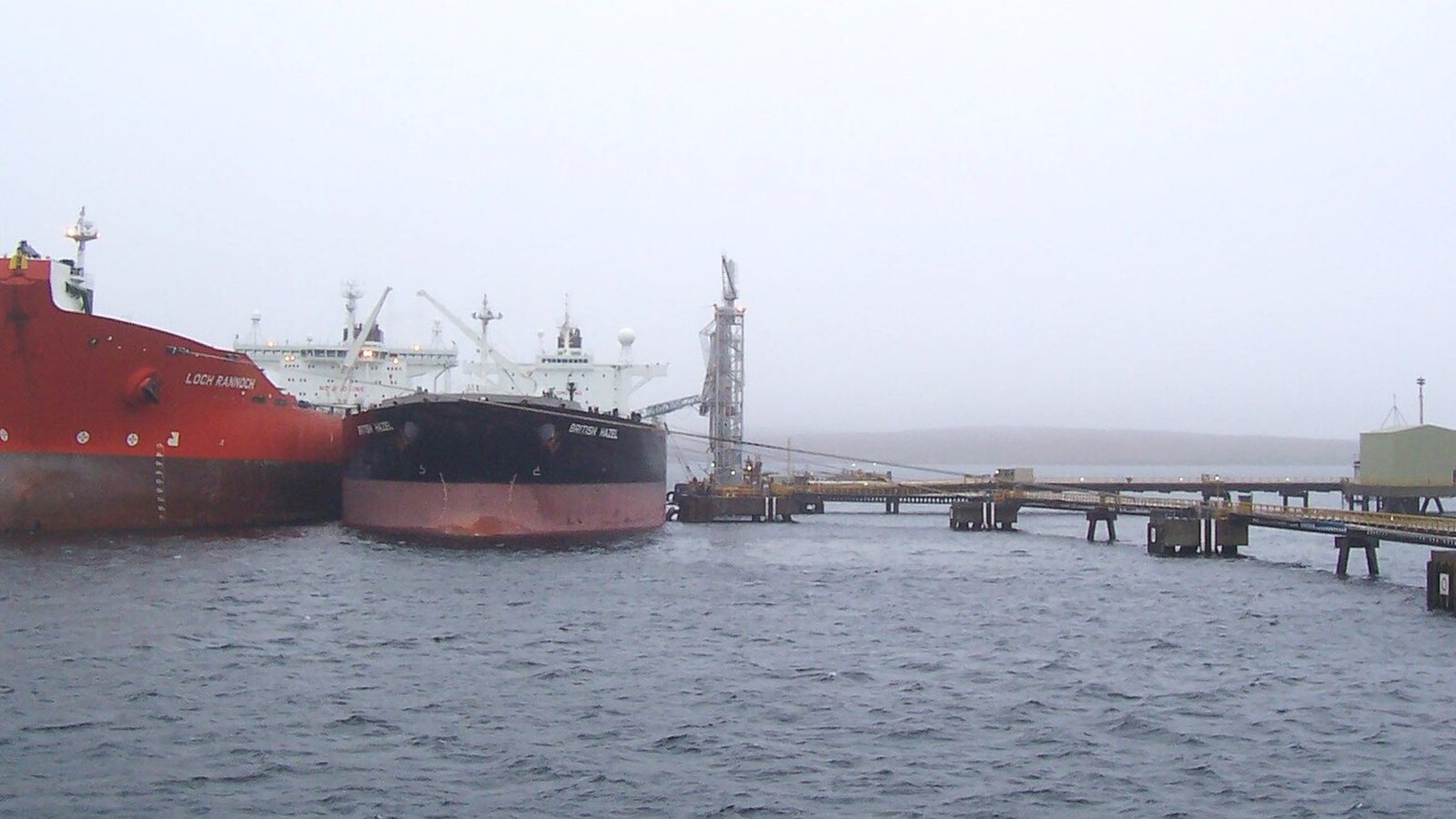
Illustrative image. Photo: john bateson, CC BY-SA 2.0, via Wikimedia Commons — source