What Is Natural Gas? Uses, Reserves and Prices

Natural gas is a fossil fuel made mostly of methane, about 95% of its volume, that formed from ancient marine organisms and is now used for electricity, heating, industry and chemicals. In the United States alone, power plants burned about 40% of all natural gas consumed in 2023. This guide explains what natural gas is, how it forms, what it is used for, where the reserves are and why its price differs so much around the world.
What Is Natural Gas? A Simple Definition
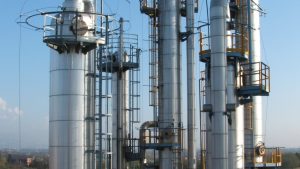
Natural gas is a mixture of gases found underground, often alongside oil. Methane, a molecule with one carbon atom and four hydrogen atoms, makes up about 95% of it. The rest includes small amounts of ethane, propane and butane and traces of carbon dioxide, nitrogen, hydrogen sulphide and helium. Raw gas is processed to remove water, sulphur compounds and heavier hydrocarbons before it is sent to customers. It has no smell, so suppliers add a harmless odorant that makes leaks easy to detect.
How Natural Gas Forms
Most natural gas comes from tiny marine plants and animals that settled on ancient sea floors. Layers of sediment buried this organic matter. Over millions of years, heat and pressure and the lack of oxygen turned it into hydrocarbons. Because the gas is lighter than oil and water, it moves upward through porous rock until it is trapped under a layer of dense rock. Wells drilled into these traps bring it to the surface. Gas can also be held tightly inside shale rock, which is why horizontal drilling and hydraulic fracturing changed the market in the United States.
What Is Natural Gas Used For?
Natural gas has four main uses.
- Electricity. Gas-fired power plants generate almost a quarter of the world's electricity. They start quickly and can balance wind and solar output.
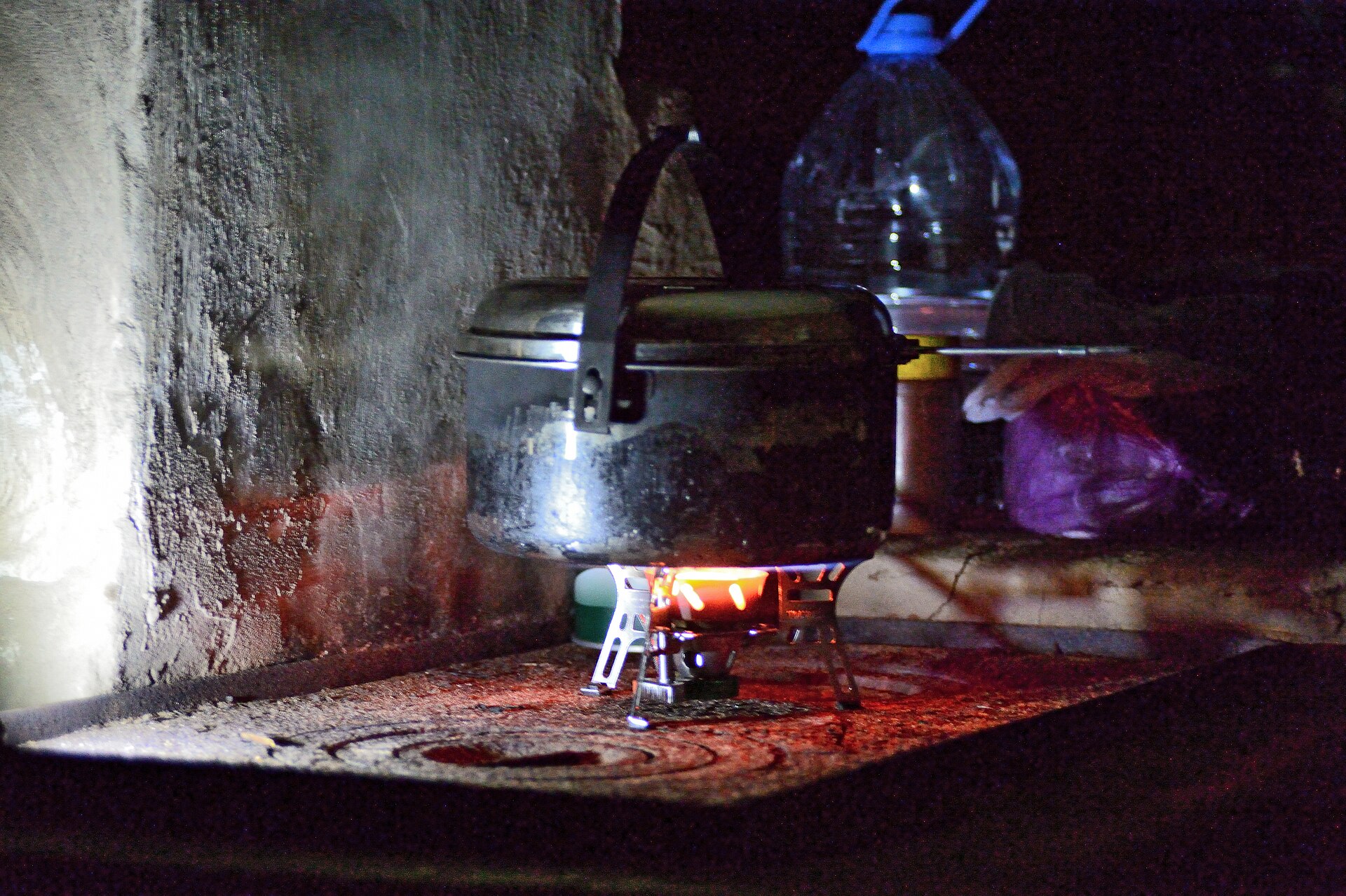
- Heating and cooking. Homes and businesses burn gas for space heating, water heating and cooking.
- Industry. Factories use gas for process heat in glass, steel and paper. It is also a raw material for ammonia, which is used to make fertiliser, and for hydrogen.
- Transport. Compressed natural gas fuels some buses, trucks and cars, and liquefied natural gas is used in ships.
The US Energy Information Administration (EIA) gives a clear picture of how one large market uses gas. In 2023 the electric power sector took about 40% of US consumption, industry 32%, homes 14%, commercial buildings 10% and transport 4%. Patterns differ elsewhere. Countries with cold winters use more gas for heating, while countries with large chemical industries use more as feedstock.
Where Are the Biggest Natural Gas Reserves?
Natural gas reserves are concentrated in a small group of countries. Russia and Iran hold the largest proved reserves, although the exact order depends on the source, since estimates from the CIA, EIA, OPEC and BP differ. The largest single gas field is South Pars/North Dome, shared by Iran and Qatar. Qatar's share of the North Dome field makes it one of the largest holders as well.
Production is concentrated too: about 15 countries account for roughly 84% of world gas extraction. The United States became the world's largest producer after the shale boom, and its output reached a record 40.7 trillion cubic feet in 2019, according to Wikipedia's summary of US data. Reserves and production are different things, so a country with large reserves does not always export much.
Why Natural Gas Prices Differ Around the World
Oil is easy to ship, so it has one global price with small differences. Gas is different. Pipelines are the main transport method, but they cannot cross oceans cheaply, which keeps regional markets partly separate. Liquefied natural gas (LNG), which is gas cooled to about minus 162 degrees Celsius so that its volume shrinks to roughly one six-hundredth, links these markets by ship, but liquefaction and shipping add cost.
Several factors move prices.
- Supply source. US shale production kept prices in North America low compared with Europe and Asia.
- Weather. Cold winters and hot summers raise demand for heating and cooling.
- Storage levels. Gas is stored in depleted fields, salt caverns and LNG tanks. Low storage ahead of winter pushes prices up.
- Geopolitics. Pipeline disputes and supply interruptions can raise prices quickly, as in the 2021 energy crisis, when demand recovered fast after the pandemic.
Natural Gas, Coal and Oil: How Do the Emissions Compare?
When burned, natural gas releases about 40% to 45% less carbon dioxide per unit of energy than coal and 25% to 30% less than oil. This is why gas is often called a bridge fuel. However, methane that leaks during production and transport is a powerful greenhouse gas. When these upstream emissions are counted, the lifecycle advantage is smaller. Reducing leaks and routine flaring is therefore central to gas's climate case.
The Future of Natural Gas
Gas demand growth depends on whether it replaces coal, how fast renewables and nuclear expand, and how strict methane rules become. Many Asian economies still add gas capacity to replace coal and meet rising electricity demand. In Europe and parts of North America, gas use may plateau as wind, solar and storage grow. LNG trade continues to expand as new export terminals open, which makes the market more global and links regional prices more closely.
Frequently Asked Questions About Natural Gas
Is natural gas the same as methane? Methane is the main component, about 95% of natural gas, but the mixture also contains other gases.
Is natural gas renewable? No. It is a fossil fuel formed over millions of years. Renewable natural gas, or biomethane, is a separate product made from organic waste.
Why is natural gas called a bridge fuel? Because it emits less carbon dioxide than coal and oil when burned and can back up renewables, but it still emits greenhouse gases.
What is the difference between natural gas and LNG? LNG is natural gas cooled to a liquid so it can be shipped across oceans.
Which country produces the most natural gas? The United States was the leading producer in the sources used for this article. Check the latest EIA or Energy Institute table for the current order of the other large producers.
Conclusion
Natural gas is a methane-rich fuel that powers about a quarter of the world's electricity, heats homes and feeds the fertiliser industry. Its reserves are concentrated in a few countries, its prices depend on local supply and transport, and its climate impact depends on both combustion and methane leaks. Understanding these basics makes it easier to follow the daily energy news on supply deals, LNG cargoes and price spikes.
Sources: US EIA, Use of natural gas (2023 US consumption by sector); Wikipedia, Natural gas (composition, formation, reserves, emissions, LNG); US EIA, Today in Energy.