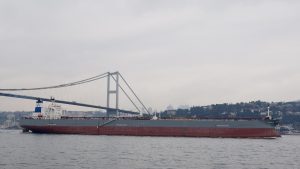
Iran and Oman Hold Hormuz Security Talks as Tanker Mine Attacks Surge
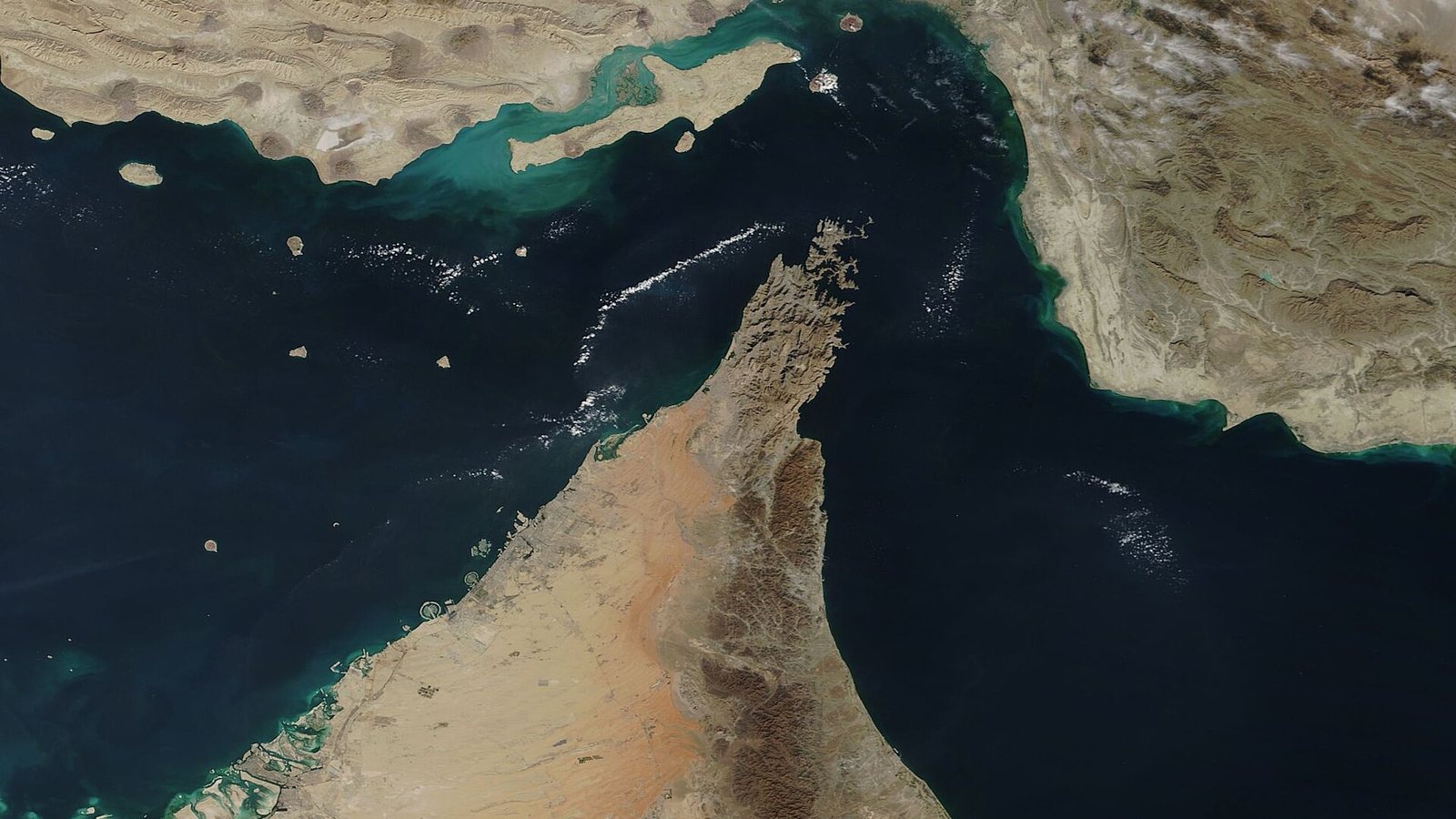

Iran and Oman held fresh talks in Muscat on Tuesday over how to keep the Strait of Hormuz safe for shipping, as October recorded the highest number of reported tanker attacks in or near the waterway since fighting between Iran and its adversaries escalated in late February. Iranian Foreign Minister Abbas Araqchi met his Omani counterpart, Sayyid Badr al-Busaidi, with Oman’s foreign ministry saying the two sides discussed “safeguarding maritime corridors” and keeping global shipping and trade flowing through one of the world’s most important oil and gas chokepoints.
A mediator that has itself come under fire
Oman’s role in Tuesday’s talks reflects a position it has occupied for years as an informal go-between for Tehran and Western governments, and one it has tried to maintain even as the current conflict has drawn it in more directly. Since 1 March, Iran has launched drone and missile strikes on sites in Oman and its territorial waters, according to reporting on the crisis, even as Muscat has continued to host periodic talks — including an earlier round in August — aimed at containing the fallout in the strait. Oman’s ministry framed Tuesday’s meeting as a way to “expand mutual understanding” between the two sides and prevent the crisis from widening further, rather than as a venue for resolving the underlying conflict.
Mines, missing destinations and a rising toll
The backdrop to the talks is a sharp rise in reported attacks on shipping. Iran has reported near-daily incidents involving tankers striking naval mines in transit corridors that Tehran has designated as “unauthorised,” and the Islamic Revolutionary Guard Corps claimed this month that a supertanker and a liquefied gas carrier both struck mines in the strait, triggering explosions and fires on board. Separately, the UK Maritime Trade Operations agency, which tracks shipping risk in the Gulf for the maritime industry, said a tanker was attacked twice off the coast of Oman overnight while transiting the strait. Washington, for its part, has maintained a naval blockade on Iran since the conflict began, a measure Tehran has repeatedly cited as a trigger for its own actions against shipping it associates with that blockade.
No outcome from Tuesday’s Muscat meeting had been announced as of publication, and neither government’s statements indicated whether the talks produced any concrete agreement on protecting commercial traffic.
Markets are already pricing in the risk
Energy markets showed signs of reacting to the renewed tension even before any formal outcome from the talks. European benchmark gas prices at the Dutch TTF hub climbed back toward €86 per megawatt-hour on Tuesday as traders cited resurfacing Hormuz-related risk, reversing part of a recent slide driven by mild weather and record US LNG flows into Europe. The strait carries roughly a fifth of global oil consumption and a comparable share of global LNG trade, mostly from Qatar, so renewed mine strikes and the prospect of a wider blockade tend to show up quickly in freight rates, insurance costs and benchmark prices even when no cargo is actually lost. Oilprice.com estimated on Tuesday that LNG loadings exiting Hormuz are running at roughly a third of pre-war levels, at a moment when European gas storage is only around 70% full — well below the roughly 90% seen at this point in prior years — making the market more sensitive to any further disruption as a forecast cold spell approaches later this month.
Why Hormuz still matters more than almost any other chokepoint
Hormuz sits between Iran on one side and Oman and the United Arab Emirates on the other, and it is the only sea route out of the Gulf for crude loaded in Saudi Arabia, Iraq, the UAE, Kuwait and Qatar, as well as for essentially all of Qatar’s LNG exports. Iraq alone has pushed its crude output to its highest level since 2019 as Gulf producers have ramped up supply this year, and QatarEnergy’s LNG volumes depend entirely on tankers making the same transit that Iran has been disrupting. ADNOC, the UAE’s state oil company, has spent years diversifying export infrastructure precisely because of chokepoint risk like this, though most of that capacity still ultimately depends on Hormuz remaining passable.
For now, Tuesday’s talks are another sign that even the parties with the most to lose from a full closure of the strait — Iran included, since its own oil exports also transit Hormuz — see diplomacy with Oman as a way to limit the damage rather than a route to ending the underlying conflict. Traders and shipowners are left watching the same indicators they have tracked for months: mine strike reports, UKMTO advisories, and whether Washington’s naval posture in the Gulf changes in response.
Sources
- Oilprice.com, “Iran and Oman Hold Talks on Strait of Hormuz Security as Tanker Attacks Surge”, 17 November 2026 — Muscat meeting details, October attack count, mine-strike and UKMTO reporting. oilprice.com
- The National, “Oman discusses maritime security with Iran amid rising attacks in Strait of Hormuz”, 17 November 2026 — independent confirmation of the Araqchi-Busaidi meeting and Omani ministry statement. thenationalnews.com
- Oilprice.com, “TTF Gas Bounces Back to 86 Euros as Hormuz Risks Resurface”, 17 November 2026 — European gas price reaction and LNG supply-strain data. oilprice.com
Illustrative image. Photo: MODIS Land Rapid Response Team, NASA GSFC, Public domain, via Wikimedia Commons — source