EQT to Acquire Range Resources in $50 Billion All-Stock Deal

EQT Corporation and Range Resources Corporation said on October 26 they have signed a definitive agreement for EQT to acquire Range in an all-stock deal, creating a combined Appalachian natural gas producer with a pro forma enterprise value above $50 billion. Under the terms, each Range share converts into 0.987 EQT shares, leaving existing EQT shareholders with about 73% of the combined company and Range shareholders with the remaining 27%. Both boards approved the deal unanimously, and the companies expect to close it in the first quarter of 2027, pending shareholder and regulatory approval.
Two Appalachian neighbors become one
EQT, based in Canonsburg, Pennsylvania, and Range, based in Fort Worth but concentrated in the Marcellus and Utica shales of Pennsylvania, West Virginia and Ohio, have operated side by side in the Appalachian Basin for years. The combined company will keep EQT’s headquarters and its executive team, led by president and chief executive Toby Rice, while two Range directors — including its chief executive, Dennis Degner — join the EQT board at closing. Combined, the two companies describe net production above 9 billion cubic feet equivalent a day, close to 3 million net acres and more than 30 years of drilling inventory, alongside over 3,700 miles of gathering and transmission pipeline.
A vertically integrated gas major, by the companies’ own description
EQT already built much of its current structure around vertical integration — pairing upstream drilling with its own pipeline and gathering network after absorbing Equitrans Midstream in 2024. Folding in Range’s acreage and marketing contracts extends that model, and the companies are framing the result as the largest vertically integrated natural gas producer in the United States. EQT projects $325 million a year in cost and operational synergies within two years of closing, with a long-term target above $600 million once development planning, infrastructure optimization and gas, LNG and NGL marketing are combined across the enlarged footprint. The companies also point to an unlevered free cash flow breakeven below $2 per million British thermal units at Henry Hub, which they say leaves room to withstand a weak-price cycle better than either company could alone.
Betting on US gas demand, not just reserves
The deal’s logic rests less on undrilled acreage than on where EQT and Range expect buyers for that gas to come from over the next decade: Gulf Coast LNG terminals signing long-dated offtake contracts, and a wave of new gas-fired power plants being built to serve data centers and other large electricity loads. NextEra Energy alone has signed definitive agreements for 16.5 GW of gas-fired “federal hub” power projects tied to that same demand growth, and Gulf Coast exporters have kept signing Appalachian-adjacent and Permian supply into decades-long contracts, including Cheniere’s 4 mtpa LNG supply agreement with QatarEnergy that runs through 2054. EQT and Range are projecting roughly $20 billion in cumulative free cash flow over five years at recent strip pricing, a figure that assumes US gas demand keeps climbing rather than plateauing — a bet that looks more conservative than it would have a few years ago, given how quickly LNG export capacity and data-center power demand have grown, but one that still depends on that growth actually showing up in Appalachian basis prices rather than mostly benefiting Gulf Coast producers closer to the export terminals.
Credit profile and how the deal gets financed
Because the transaction is structured as an all-stock merger rather than a cash-and-debt buyout, EQT and Range say the combined company should carry BBB-quality credit metrics at closing, avoiding the leverage spike that often follows large oil-and-gas mergers. EQT retained Citi and RBC Capital Markets as financial advisers and Kirkland & Ellis as legal counsel; Range worked with Evercore as lead financial adviser alongside J.P. Morgan, with Gibson, Dunn & Crutcher as legal counsel. The companies plan to file a joint proxy statement and registration statement on Form S-4 with the US Securities and Exchange Commission, which both sets of shareholders will need to approve before the deal can close.
What’s not yet resolved
Both companies canceled previously scheduled third-quarter earnings calls for October 28 and will instead report results after market close on October 27, with the merger expected to dominate that call. The release does not disclose a projected GAAP operating cash-flow figure for the combined company, citing uncertainty over working-capital timing, and it leaves open how regulators will view the combined company’s share of Appalachian gathering infrastructure — a factor that mattered in EQT’s own 2024 purchase of Equitrans. For now, the deal still needs sign-off from antitrust regulators and from both companies’ shareholders before the companies can start integrating two of the basin’s largest acreage positions into one.
Sources
- EQT Corporation, Form 8-K Exhibit 99.1 (joint press release on the Range Resources merger agreement), filed with the SEC, October 26, 2026 — primary source for deal terms, combined-company metrics, synergy targets and executive quotes.
- OilPrice.com, “EQT Bets on Record U.S. Gas Demand With $50 Billion Range Takeover,” October 26, 2026 — independent coverage cited for market framing of the deal.
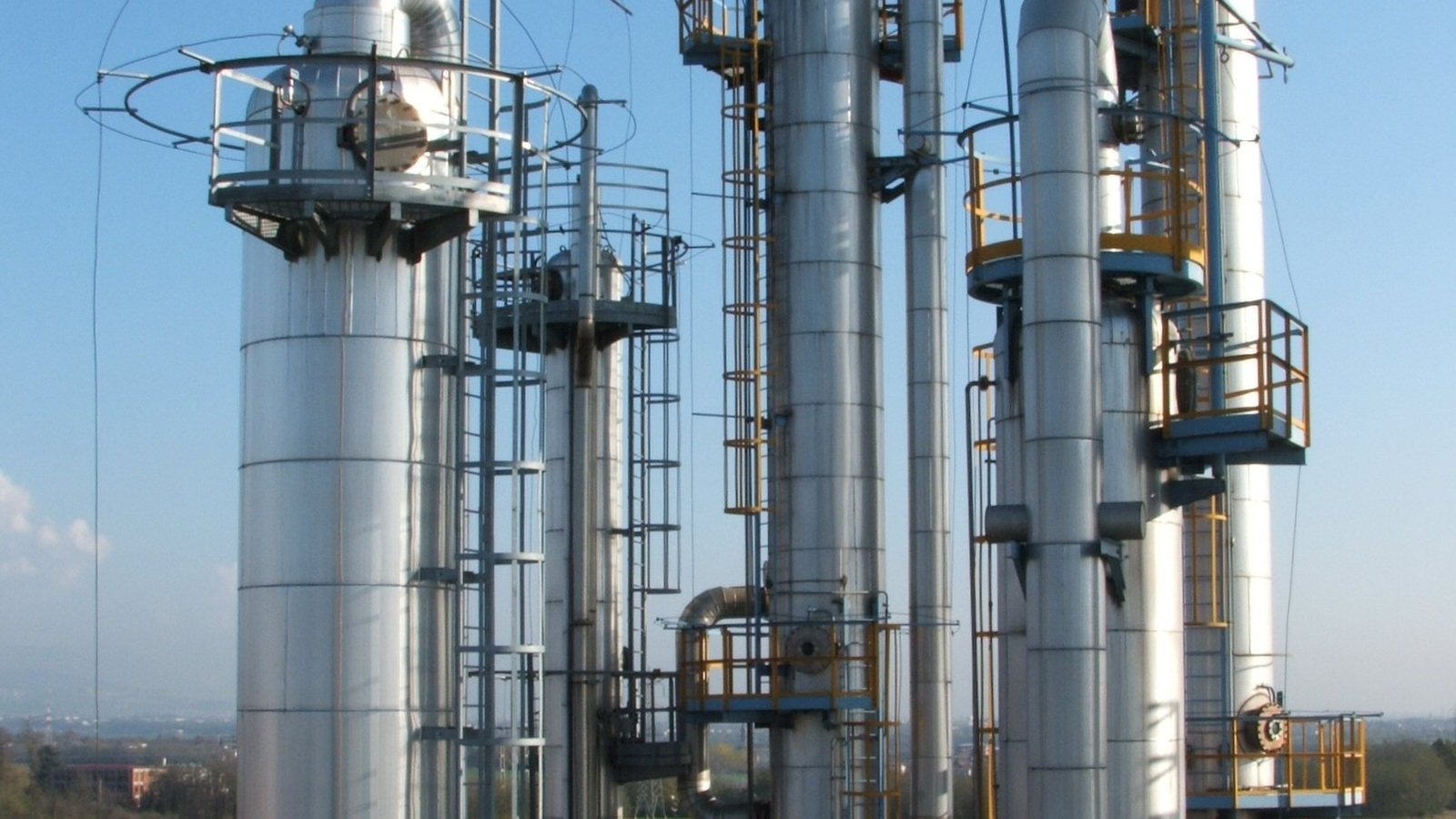
Illustrative image. Photo: User:Luigi Chiesa, CC BY 3.0, via Wikimedia Commons — source