Critical Minerals for Energy and Defence

Last updated: November 15, 2026
Critical minerals sit at the point where energy policy and defence procurement now openly compete for the same raw materials. Magnet metals that stabilize an F-35’s actuators also spin offshore wind generators; the copper that wires a data centre is the same copper a defense-grade circuit-board foil plant needs; and the mining and refining bottlenecks concentrated in a handful of countries shape both an energy-transition timeline and a weapons-production timeline at once. This hub collects The Daily Energy’s coverage of where those two demand streams genuinely overlap.
What’s in This Cluster
| Page | What it covers |
|---|---|
| Why Are Rare Earths Important to Energy and Defence? | How magnet rare earths (neodymium, praseodymium, dysprosium, terbium) feed both F-35 actuators and offshore wind turbines, China’s refining dominance, and the MP Materials / Lynas deals built to counter it. |
| China’s Grip on Critical Minerals for Energy and Defence | How Beijing’s export licensing on rare earths and other minerals has been used as a lever since 2025, and what it means for energy and defence buyers outside China. |
| Why Copper Matters to Both Electrification and Defence | Why grid, EV and data-centre demand — not defence — is driving the copper squeeze, and why a single US plant making defense-grade copper foil still matters disproportionately. |
The Pattern Across These Minerals
Each mineral in this cluster tells a slightly different version of the same story: a mining or refining bottleneck, concentrated in a small number of countries or even a single company, that civilian energy projects and defence manufacturers both depend on without being able to easily substitute away from. Rare earths are the sharpest case, where China’s refining dominance gives it leverage over magnet supply for wind turbines and fighter jets alike. Copper is the mildest case, where defence demand is a rounding error next to grid and EV demand, but a handful of specialty products still have no backup supplier. Between those two extremes sit minerals like lithium, nickel and cobalt, which carry smaller but analogous concentration risk for battery supply chains used by both electric vehicles and military platforms.
Frequently Asked Questions
Why do energy and defence industries compete for the same minerals?
Because the physical properties that make a mineral useful — a magnet’s strength at high temperature, copper’s conductivity, uranium’s fissile energy density — don’t change depending on who is buying. The same neodymium-iron-boron magnet works in a wind turbine or a missile guidance system; the same copper foil works in a server rack or a radar unit.
Is China’s dominance the main risk across all critical minerals?
It is the dominant risk for rare earths specifically, where China controls over 90% of global refining capacity. For other minerals, such as copper, the bigger constraint is often mining concentration and a shortage of processing capacity more broadly, rather than a single country’s trade policy.
Which critical mineral is most exposed to a short-term supply shock?
Rare earth magnet materials, given how concentrated separation and processing capacity is in China and how few alternative suppliers exist at scale. Copper’s risk is more about chronic tightness and years-long lead times for new mines and smelters than a single-country shock.
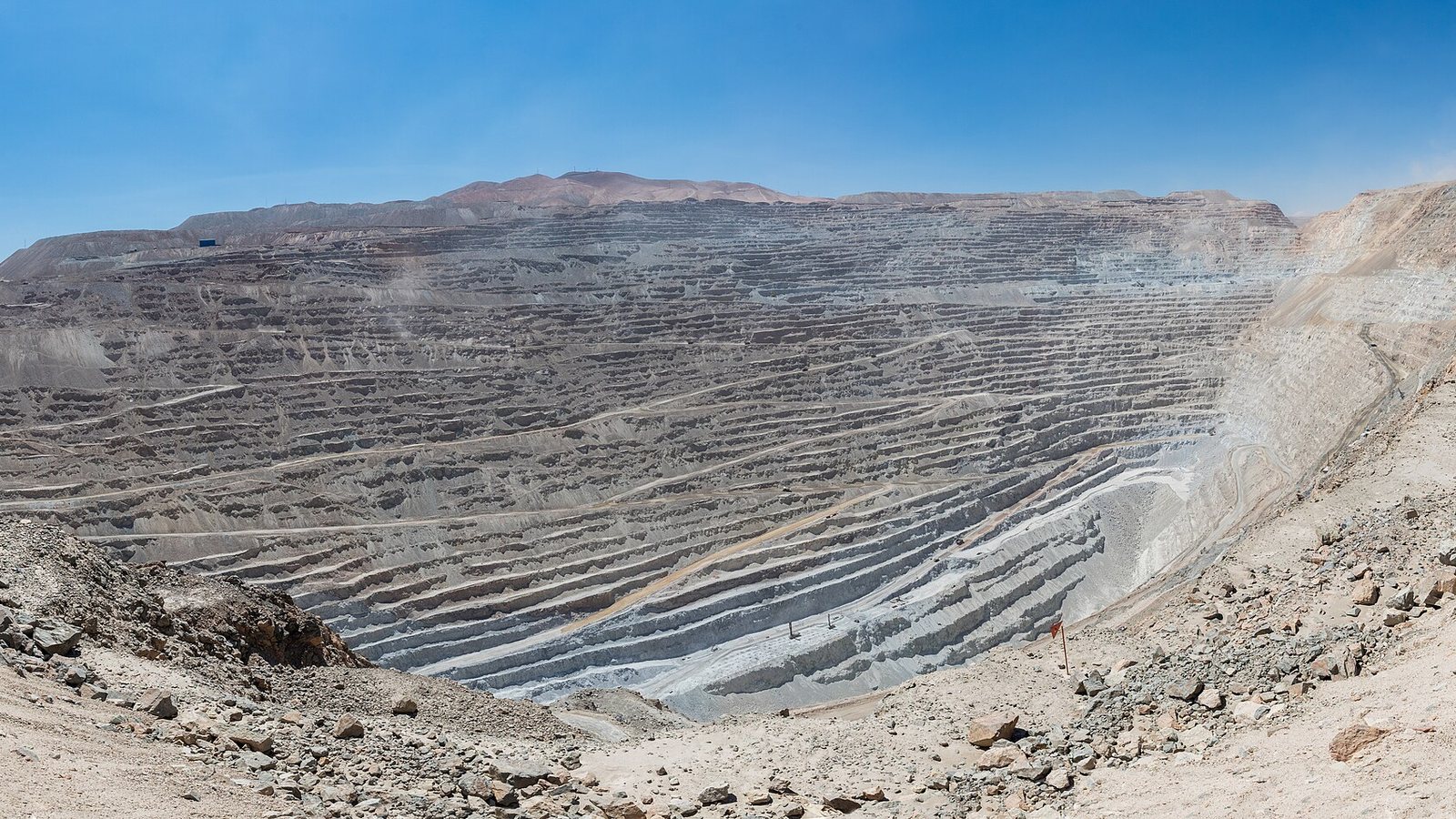
Illustrative image. Photo: Diego Delso, CC BY-SA 4.0, via Wikimedia Commons — source