Todd Boehly’s Consortium Signs $10 Billion Share-Swap Deal for Lukoil’s Foreign Assets

A US-backed investor group led by billionaire Todd Boehly has signed an agreement to acquire the international assets of Russia’s Lukoil, people familiar with the deal told Reuters on November 25, in a share-swap arrangement valued by two of those people at roughly $16 billion. The agreement still needs approval from the US Treasury’s Office of Foreign Assets Control (OFAC) before it can close.
A Swap of Shares for a Russian Oil Empire
Under the structure described by people briefed on the terms, Boehly’s consortium is not paying cash to Lukoil. Instead, it has assembled roughly $10 billion worth of restricted shares in Lukoil’s Russian parent company and other Russian firms, bought from Western investment funds and from US depositary banks that had been holding the securities on behalf of retail investors. Those shares will be exchanged for 100% of the equity in Lukoil International GmbH, the unit that holds the company’s assets outside Russia.
Eldridge, the investment firm Boehly runs, has framed the structure as a way to avoid sending fresh cash to Moscow: the securities being handed over are already frozen and effectively unusable by their current Western holders, while the oil assets change hands without a wire transfer to the sanctioned parent company. The swapped shares themselves will be held in escrow in the United Arab Emirates rather than delivered to Lukoil, which people familiar with the talks say is meant to satisfy a Treasury condition that the sanctioned company not receive a windfall from the sale.
Boehly told reporters the value of the portfolio “can shift with oil prices,” and described the assets as sitting in what he called “the hugely critical Middle Corridor” linking the Caspian region to global markets.
What the Portfolio Covers
Two people familiar with the terms put Lukoil’s foreign footprint at operations spread across 11 countries, producing a combined 350,000 barrels of oil per day, a small slice next to the volumes Russia itself exports to buyers worldwide each day. The named assets include oilfields in Azerbaijan and Kazakhstan, refineries in the Netherlands, Bulgaria and Romania, and an international network of fuel retail stations that extends to sites in the United States. Reuters reported in early November that the portfolio had initially been valued as high as $22 billion, underscoring how much the price has moved during months of negotiation; the gap between the $10 billion in swapped securities and the roughly $16 billion asset valuation now being cited was not explained by those involved.
Lukoil’s minority stakes in two of Kazakhstan’s largest fields, Tengiz and Karachaganak, along with its interest in the Caspian Pipeline Consortium that exports Kazakh crude to world markets, had been carved out of an earlier, failed sale attempt to Carlyle Group. Whether those specific stakes are included in the Boehly consortium’s agreement has not been detailed in public reporting so far.
Washington’s Role in the Deal
The US International Development Finance Corporation (DFC), a government agency that typically finances infrastructure projects in developing countries, is backing the swap and will take a stake in the resulting venture, though its size has not been disclosed. A DFC official told reporters that the agency would be entitled to a share of future profits once the private investors in the consortium recover their capital plus an agreed rate of return, and that the DFC would also hold a seat on the new company’s board. The official described moving “strategic energy infrastructure assets into US or allied partners’ hands” as a policy priority, and said private investors had sought the government’s involvement for the “security blanket” it provides given the deal’s sanctions exposure.
The consortium itself has been in flux. Two earlier partners, Abu Dhabi’s International Holding Company and the Syrian-Qatari Al-Khayyat family, left the group in the week before the signing; a person familiar with the matter said the Al-Khayyat brothers are not part of the final agreement. The remaining members alongside Boehly’s Eldridge are the US investment bank Xtellus Partners and the UAE’s Catena Investment Holding. Boehly described the group’s composition as “fluid.”
A Deal Years in the Making
Washington sanctioned Lukoil in October 2025 as part of a broader push to cut into Russia’s oil revenue, a move that forced the company to seek buyers for everything it owned outside Russia. The assets now changing hands are distinct from Lukoil’s domestic refining network inside Russia, which includes the Perm plant knocked offline by a Ukrainian drone strike earlier this year and is not part of the sale. The path to Wednesday’s agreement ran through two failed attempts. Swiss-based trading house Gunvor withdrew an offer for the assets in 2025 after US Treasury Secretary Scott Bessent publicly called the company “the Kremlin’s puppet.” Carlyle Group then signed a non-exclusive agreement with Lukoil in January 2026 to buy most of the foreign portfolio, but OFAC never issued the license needed to let that transaction close, and Carlyle later dropped out of the process.
OFAC has kept the door open to a sale through a long series of temporary authorizations rather than a single permanent license. The agency has issued twelve successive versions of a general license allowing talks over Lukoil’s foreign assets to continue; the latest, GL 131L, was issued on November 19 and extends the window for negotiations to December 19, 2026.
What Happens Next
Boehly said closing the transaction could take up to a year, and that the renamed venture would operate at arm’s length from its Russian former owner. The scale of the review ahead was flagged by a person familiar with the matter, who said a full OFAC assessment would take time given how many countries and regulatory regimes the portfolio touches. Until that approval comes through, Lukoil’s refineries in the Netherlands, Bulgaria and Romania, its oilfields in Azerbaijan and Kazakhstan, and its retail network will continue operating under the ownership structure now in place while the new buyers wait for Washington’s sign-off.
Sources
- Reuters (via Yahoo Finance), “Exclusive-Boehly signs US-backed share swap deal to buy Lukoil global assets,” November 25, 2026 — deal structure, consortium composition, DFC role, asset list, quotes from Boehly and a DFC official.
- CNN, “Russian oil firm Lukoil’s overseas assets sold to investors led by US billionaire Todd Boehly,” November 25, 2026 — Eldridge’s framing of the share-swap structure.
- The Moscow Times, “American Billionaire Signs U.S.-Backed Share Swap Deal to Buy Lukoil Global Assets,” November 25, 2026 — background on OFAC licensing history and the Carlyle and Gunvor attempts.
- Reuters, reporting cited via Barchart and World Oil, “Carlyle Group Agrees to Buy Most of Lukoil’s Foreign Assets,” January 29, 2026 — background on the earlier Carlyle agreement and its scope.
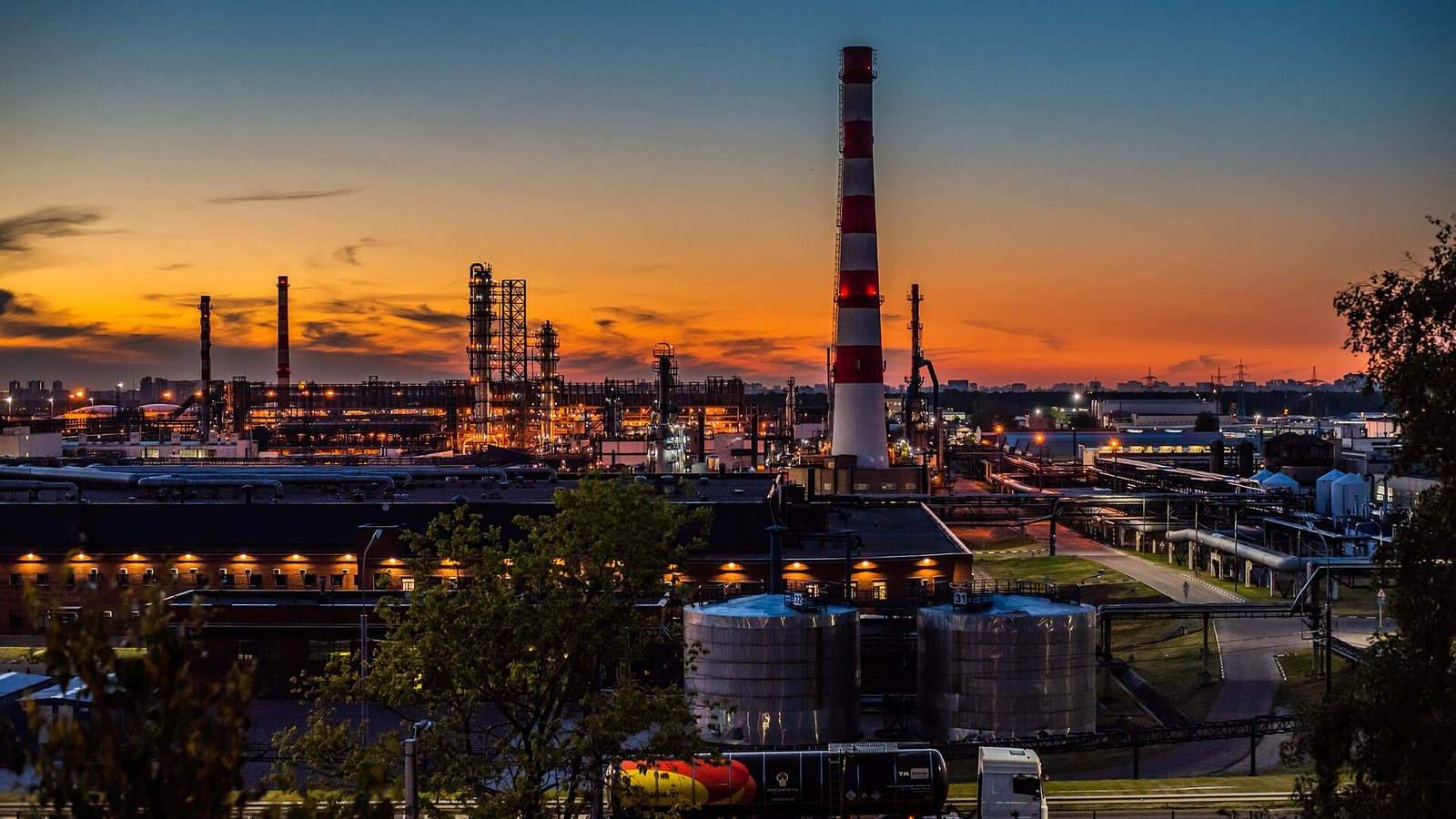
Illustrative image. Photo: kishjar? from Moscow, Russia, CC BY 2.0, via Wikimedia Commons — source