Ofgem Confirms UK Energy Price Cap Will Rise 26% From January, Citing Middle East War

Ofgem, Great Britain’s energy regulator, confirmed on 25 November that the default tariff price cap will rise by 26% for the period running from 1 January to 31 March 2027, resetting the maximum unit rates and standing charges that suppliers can charge millions of households across England, Scotland and Wales that have not fixed their energy deal.
The new cap sets the average electricity unit rate at 32.69 pence per kilowatt-hour, with a standing charge of 54.77 pence a day. For gas, the unit rate rises to 10.96 pence per kilowatt-hour, with a standing charge of 29.65 pence a day. Ofgem’s confirmation lines up with a forecast published a week earlier by the independent analyst Cornwall Insight, whose final pre-announcement estimate also pointed to a 26% increase and a typical annual bill of around £2,166 for a dual-fuel household paying by direct debit, up from the current £1,723 that took effect after a 4% rise on 1 October.
Wholesale Gas Costs Cited as the Main Driver
In explaining the increase, Ofgem pointed chiefly to higher wholesale gas prices, which it linked to the ongoing war in the Middle East, together with the seasonal pickup in winter heating and power demand that typically pushes gas and electricity costs higher in the first quarter of the year. The cap is recalculated every three months using a formula that layers wholesale energy costs on top of network charges, supplier operating costs and policy costs, so a sustained rise in wholesale gas prices several months earlier tends to show up directly in what households are billed the following quarter.
The quarter does carry one partial offset: VAT has been temporarily removed from electricity bills under a government measure covering this period, while gas charges continue to carry the standard 5% VAT. That removal softens, but does not reverse, the overall rise in electricity costs once the standing charge and unit rate are added together.
A Global Gas Market Still Unsettled by the Hormuz Disruption
The wholesale gas costs behind the UK increase are not an isolated British phenomenon. The International Energy Agency’s Global Gas Security Review 2026 has warned that global LNG supply is on track to fall by around 3% this year, which it described as the steepest annual decline on record, on the assumption that flows through the Strait of Hormuz remain largely disrupted into year-end. The IEA has also cautioned that European gas storage levels could fall below 10% of working capacity by the end of March 2027 if the region faces colder-than-average weather alongside continued disruption at the Strait, a combination that would deepen the need for gas injections over the following summer. Asian LNG prices, which compete with Europe for the same cargoes, have more than tripled since the conflict escalated, according to market reporting cited by trade press, intensifying the squeeze on the same global supply that feeds British gas-fired power stations and household boilers alike.
How the Confirmed Rise Compares With Earlier Forecasts
The confirmed 26% increase sits at the upper end of the range analysts had been expecting. Cornwall Insight’s final forecast, issued on 18 November, had already flagged the cap climbing to its highest level since 2023. A separate tracker maintained by the comparison site Uswitch, built from an average of supplier predictions including British Gas, EDF and E.ON Next, had put the rise closer to 21% as of mid-November, before converging toward the mid-20s as the announcement date approached. The gap between those early-November estimates and Ofgem’s final figure illustrates how sensitive the calculation remains to gas prices in the weeks immediately before the cap is set.
Because the cap sets a maximum rather than a fixed bill, what a household actually pays still depends on how much gas and electricity it consumes. The standing charges alone — the fixed daily fees that apply regardless of consumption — now add up to roughly £200 a year for electricity and about £108 a year for gas, before a single unit of energy is used.
What Happens Next
The new rates take effect on 1 January 2027 and run through 31 March 2027. Ofgem is scheduled to announce the following quarter’s cap, covering April to June 2027, on 23 February 2027. Suppliers must apply the new default rates automatically to customers on standard variable tariffs; households already locked into fixed-term deals are not directly affected unless or until those deals expire.
The increase adds to pressure on the wider system just as grid operators push through record capital spending. National Grid has been accelerating its £70 billion investment programme, whose network costs feed into the same price-cap formula, while Ofgem itself has spent the autumn running a separate process to award a record £3.5 billion tender for Hornsea 3 transmission assets, part of a broader pipeline of grid upgrades layered into the policy and network charges households ultimately pay. For the January-to-March quarter specifically, though, Ofgem’s own explanation makes clear that the dominant swing factor was wholesale gas, not network spending — a reminder that developments thousands of miles away, including disruption near the Strait of Hormuz, continue to shape what British households pay to heat their homes.
Sources
- Ofgem, “Changes to energy price cap between 1 January and 31 March 2027,” 25 November 2026 — ofgem.gov.uk
- IBTimes UK, “Energy Bills Could Rise 26% in January, Cornwall Insight Warns of Highest Bill Levels Since 2023,” 18 November 2026 — ibtimes.co.uk
- Uswitch, “Energy price cap January 2027: latest predictions and news” — uswitch.com
- International Energy Agency, “Global Gas Security Review 2026,” executive summary — iea.org
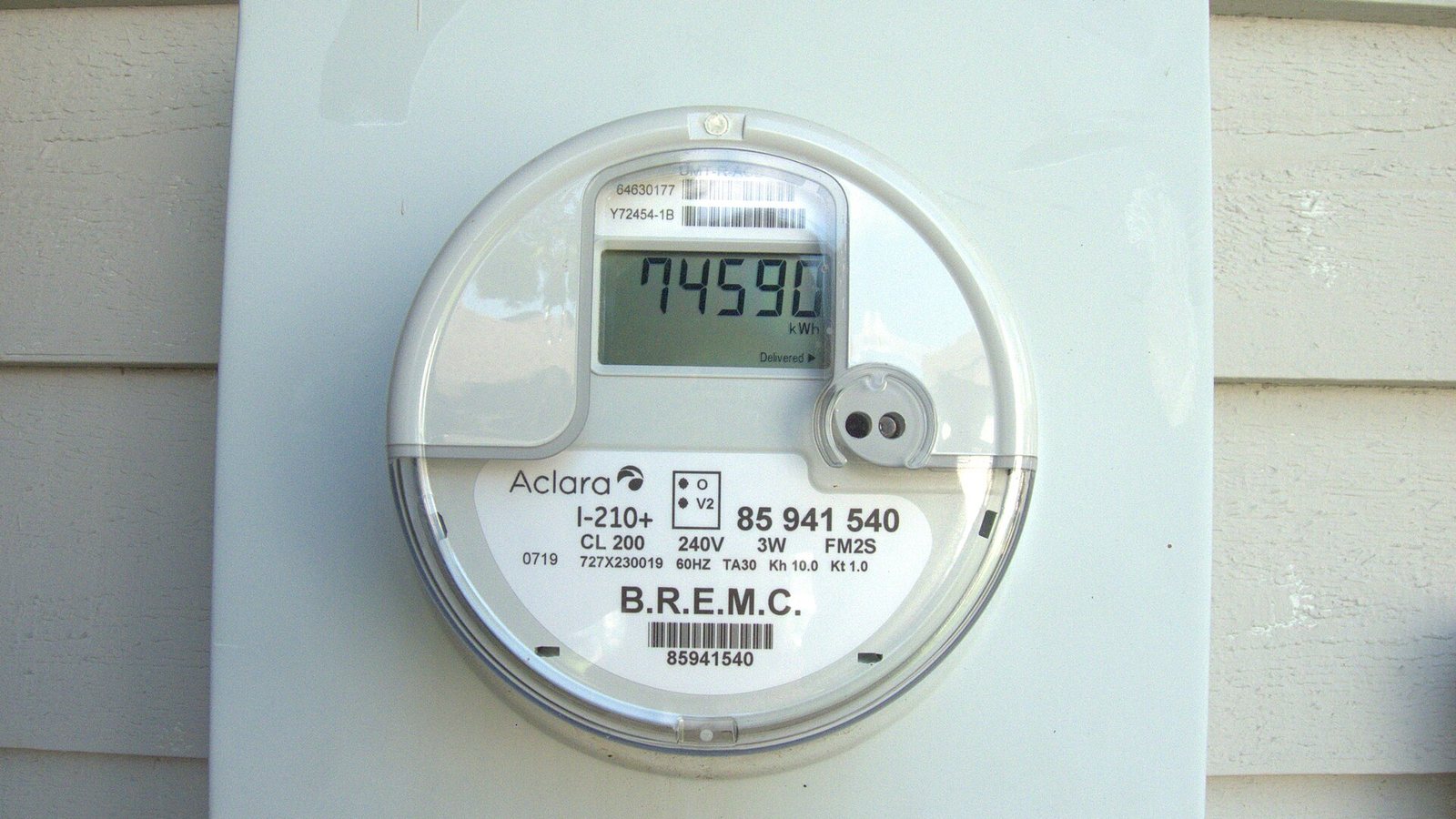
Illustrative image. Photo: 277volts, CC BY-SA 4.0, via Wikimedia Commons — source