UK Energy Bills Set to Jump 26% in January as Iran War Keeps Gas Prices High

UK household energy bills are set to rise by 26% from January, according to a final forecast published Wednesday by energy consultancy Cornwall Insight, pushing the typical annual bill to its highest level since 2023 as the Iran war continues to drive up wholesale gas prices.
The numbers behind the forecast
Cornwall Insight’s forecast puts the typical annual dual-fuel bill under Ofgem’s Default Tariff Cap at £2,166 for the January-to-March 2027 period, an increase of £443 on the current quarterly cap. That follows a 4% rise Ofgem had already imposed for the October-to-December 2026 quarter, which the regulator described at the time as taking bills to a three-year high. Other analysts cited in energy-market reporting have put the range for the January increase at 25% to 30%, depending on how wholesale markets move between now and Ofgem’s confirmation of the new cap.
Why gas prices, not UK policy, are driving this
Craig Lowrey, retail markets principal at Cornwall Insight, said the timing of the increase is particularly unwelcome because colder January weather pushes up household energy use just as many consumers are already under cost-of-living pressure, and because the underlying cause of the rise sits “thousands of miles away” from Britain. Ofgem itself attributed the October increase directly to the regional conflict, saying at the time: “This increase reflects higher wholesale gas prices as a result of the ongoing conflict in the Middle East.” The cap moves in direct response to wholesale gas and electricity costs, which Ofgem resets each quarter rather than setting independently.
Part of a wider pattern of war-linked price shocks
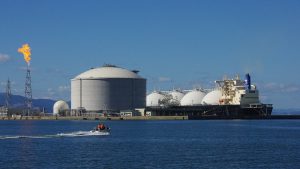
Britain is not the only energy importer seeing bills climb as a result of the disruption to Gulf shipping. The Daily Energy has previously reported that Japanese power prices hit their highest level since 2023 as the Hormuz crisis choked LNG supply, and consultancy Rystad Energy has separately estimated that the Iran war has added at least $39 billion to the world’s LNG import bill. The UK forecast follows the same underlying mechanism: a conflict thousands of miles from London or Tokyo raising the cost of the gas-fired power and gas heating that both economies rely on through the winter.
What happens next
Ofgem has not yet confirmed the January-to-March 2027 cap; the regulator typically announces the new level roughly five weeks before it takes effect, and Cornwall Insight’s figure is described as a final pre-announcement forecast rather than the confirmed cap. Suppliers’ own forecasts, cited elsewhere in UK energy-market coverage, have clustered around a similar 25%-to-30% range, suggesting Cornwall Insight’s number is unlikely to be far from whatever Ofgem ultimately sets. For UK households, the practical effect is that bills already at a three-year high after the October rise are on track to climb further just as winter demand peaks.
Sources
- Oilprice.com, “Iran War Set to Hike 2027 UK Energy Bills to Four-Year High,” by Charles Kennedy, Nov 18, 2026 — Cornwall Insight forecast figures and Craig Lowrey quote.
- Ofgem, price cap statement on the October-December 2026 increase, cited in the same report — official attribution of the rise to the Middle East conflict.
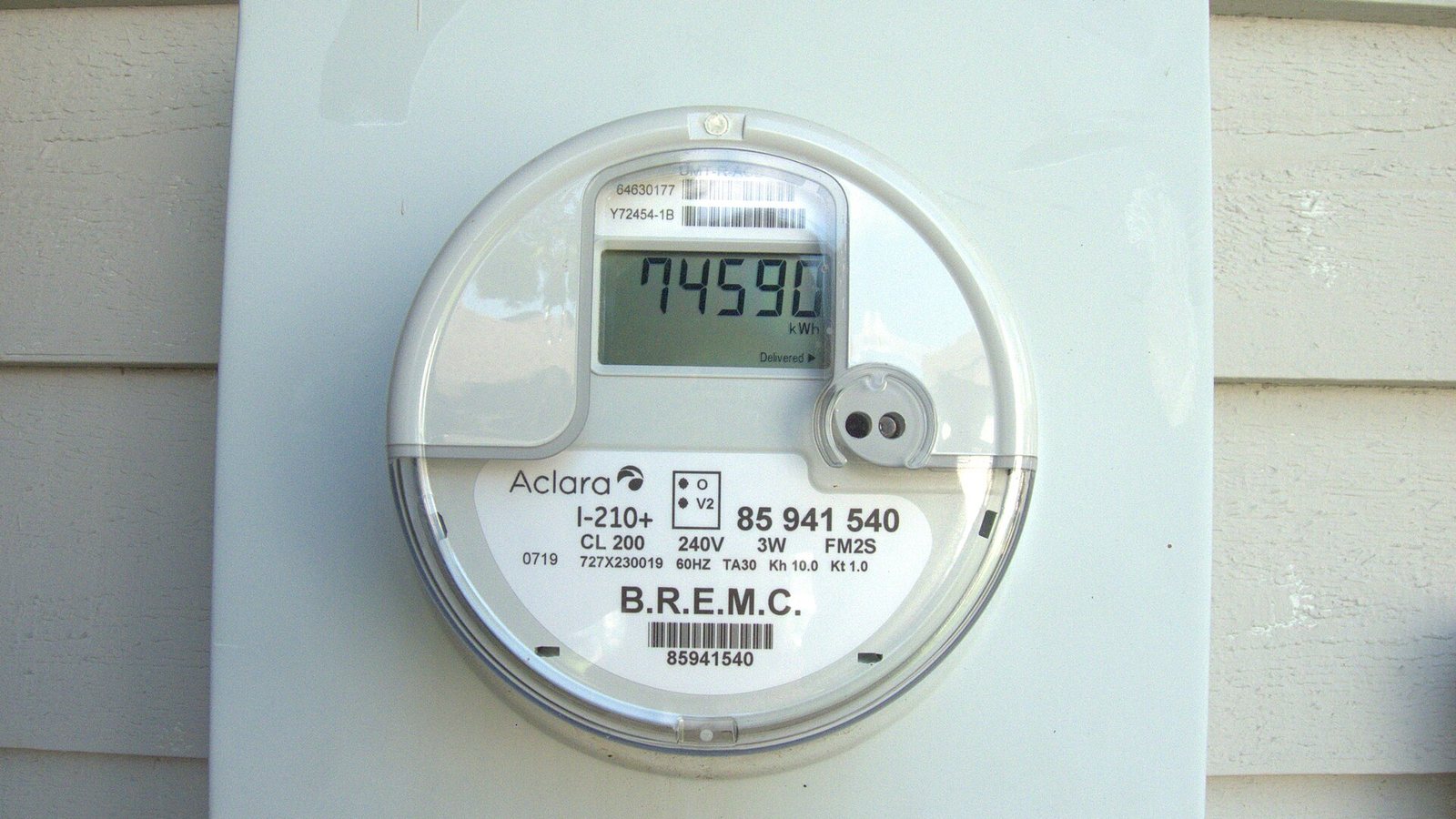
Illustrative image. Photo: 277volts, CC BY-SA 4.0, via Wikimedia Commons — source