Norway’s Energy Sector: Oil, Gas and Hydropower
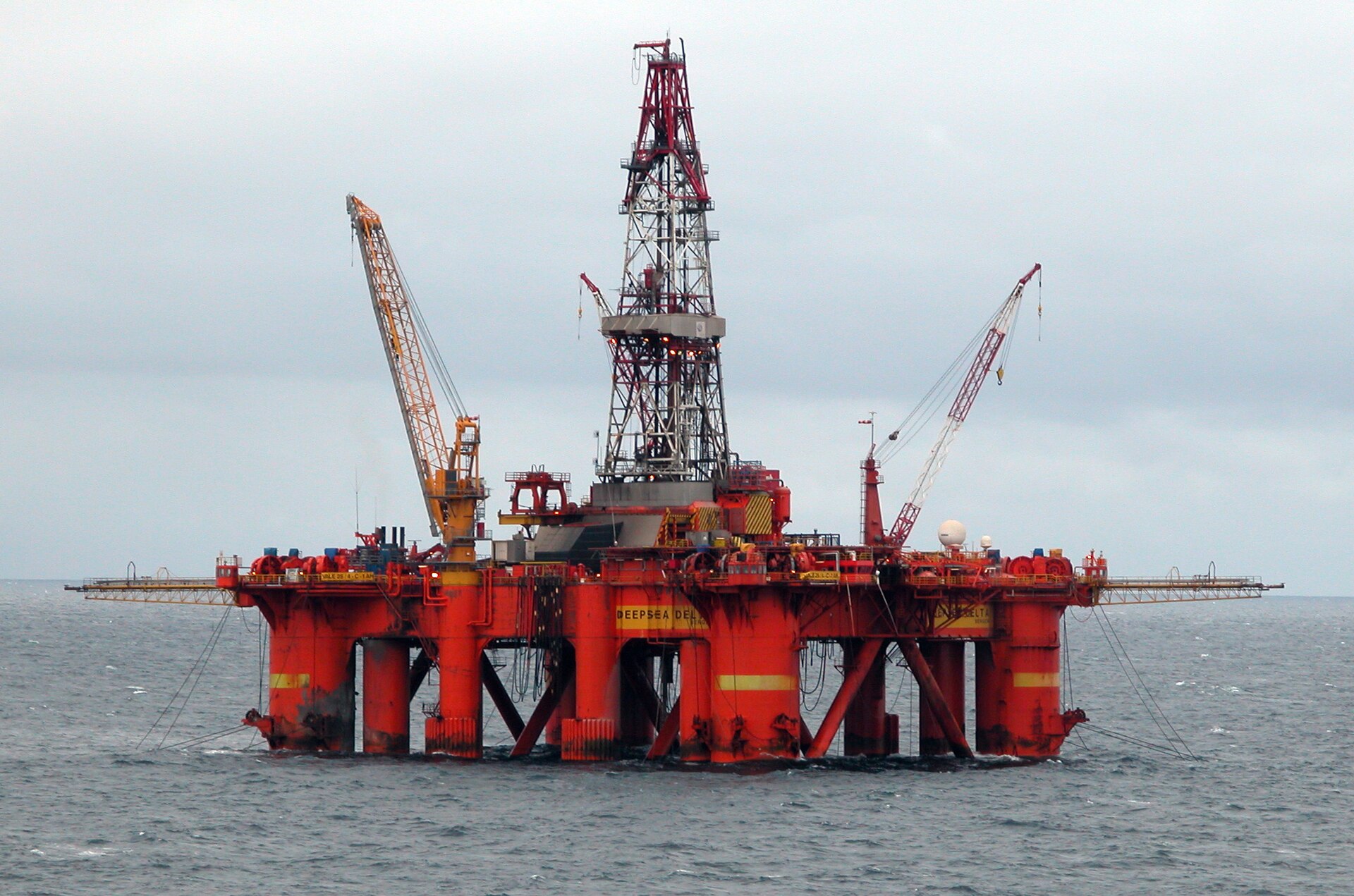

Norway energy is built on two very different pillars: almost entirely renewable domestic electricity from hydropower, and large offshore oil and gas production that is mostly exported. A country of around five and a half million people supplies a significant share of Europe’s pipeline gas, runs one of the cleanest power systems in the world and invests its petroleum revenue in the largest sovereign wealth fund. This guide covers the energy mix, major companies and projects, infrastructure and the risks ahead.
Norway Energy: Overview and Key Figures
- Electricity: hydropower provides the large majority of Norway’s electricity generation, roughly nine-tenths in a typical year, with wind power as the next largest source.
- Petroleum: oil and gas are produced on the Norwegian continental shelf in the North Sea, the Norwegian Sea and the Barents Sea.
- Gas exports: nearly all gas production is exported by pipeline to the United Kingdom, Germany, France, Belgium, the Netherlands and other European markets.
- Regulation: the Ministry of Energy sets policy, and the Norwegian Offshore Directorate manages resources and data. The state owns a majority of Equinor and holds direct interests through Petoro.
Norway is not a member of the European Union, but it is part of the European Economic Area and is closely integrated with the EU electricity and gas markets.
Energy Mix and Resources
Hydropower
Mountainous terrain, high rainfall and snowmelt have given Norway a vast hydropower fleet since the early twentieth century. Many reservoirs can store water for months, which lets operators generate when prices are high and keep supply stable. This storage capacity is valuable for neighbouring countries that rely on variable wind and solar.
Oil and gas
Oil production began on the Ekofisk field at the start of the 1970s. Oil output peaked in the early 2000s and has since been maintained by new field developments, while gas production has grown and now makes up a large part of petroleum output. Major fields include Troll, Johan Sverdrup, Ormen Lange and Aasta Hansteen.
Wind and other sources
Onshore wind has expanded steadily, and Norway is developing offshore wind, including a floating wind farm, Hywind Tampen, which supplies power to oil and gas platforms in the North Sea. Domestic coal is minimal, and the country has no nuclear power plants in operation.
Major Companies and Projects
| Name | Role |
|---|---|
| Equinor | Majority state-owned operator and largest producer on the shelf |
| Petoro | State entity managing direct financial interests in licences |
| Aker BP, Vår Energi, DNO, others | Independent and international operators |
| Gassco | Operator of the gas transport system |
| Statkraft | State-owned hydropower and renewables producer |
| Statnett | Transmission system operator for electricity |
Johan Sverdrup, brought on stream in 2019, is one of the largest fields on the shelf and is powered from shore, which keeps its operating emissions low compared with typical offshore fields. Johan Castberg in the Barents Sea opened a new northern production area. Troll remains the cornerstone of gas supply.
Imports, Exports and Infrastructure
Norway exports crude oil by tanker and gas by an extensive network of subsea pipelines operated by Gassco. These pipelines lead to processing plants at Kårstø, Kollsnes and Nyhamna, and then onwards to export terminals and receiving stations in Britain and continental Europe. Langeled to the United Kingdom, Europipe and Norpipe to Germany, Franpipe to France and the Baltic Pipe to Poland are among the key links. Hammerfest LNG in the north provides liquefied gas exports by ship.
Electricity flows over interconnectors such as NordLink to Germany and the North Sea Link to the United Kingdom, which connect Norwegian reservoirs to larger markets. These links stabilise prices on both sides but also bring a political debate, because higher export volumes can raise domestic prices in southern Norway during dry periods.
Policy and Investment Outlook
Norwegian policy balances three goals: keeping the petroleum sector productive, cutting emissions and keeping electricity affordable. Petroleum companies pay a corporate income tax plus a special tax, giving a high marginal tax rate of about 78 percent, which the state argues reflects the resource rent. Fiscal rules limit how much of the sovereign fund can be spent each year, and the fund has been a central part of Norwegian economic policy.
The Norwegian oil fund
The Government Pension Fund Global, often called the Norwegian oil fund, is managed by Norges Bank Investment Management. It holds stocks, bonds, real estate and renewable infrastructure across many countries and owns a small percentage of all listed companies worldwide. Its size makes it one of the best-known investors in the world, and its ethical guidelines can exclude companies from the portfolio. The fund shows how the country converts resource income into long-term financial assets.
New investments increasingly go to emission reduction. Electrification of offshore platforms, floating wind and the Northern Lights carbon transport and storage project, built by Equinor, Shell and TotalEnergies, are examples of the transition path.
Electric cars and domestic demand
Cheap hydropower and long-standing tax incentives have made Norway the clearest example of fast electric vehicle adoption: battery electric cars now make up a large majority of new car sales. This links the Norway energy story directly to oil exports, since the country sells petroleum abroad while running much of its own transport on domestic renewable electricity. The country is also divided into several electricity price areas, so a household in the south can pay a different price from one in the north on the same day, depending on reservoir levels and the capacity of the grid.
Risks and Challenges
- Depletion: mature fields decline, so new discoveries and tie-backs are needed to hold production.
- Price volatility: state revenues depend on oil and gas prices, though the fund provides a buffer.
- Climate policy: pressure to cut emissions and demand for fossil fuels falling over time could strand some investments.
- Grid and power prices: interconnectors and data centres raise questions about power allocation and local prices.
- Security: subsea pipelines and cables need protection, which has become a bigger policy priority for Norway and its allies in recent years.
What Norway Energy Means for Global Energy Markets
After Russian pipeline gas to Europe fell sharply, Norway became the largest pipeline gas supplier to the European Union, and maintenance schedules on Norwegian gas facilities now move European gas prices. Planned and unplanned outages at Troll, Kollsnes or Nyhamna can produce visible price reactions at European trading hubs.
Norway also acts as a model for managing resource wealth and for combining hydropower with variable renewables. Other producers study its fund structure, though copying it requires strong institutions and transparency.
Frequently Asked Questions About Norway Energy
What is Norway’s main source of electricity?
Hydropower, which supplies most of the country’s electricity, with wind second.
Is Norway a member of OPEC?
No. Norway sets its own production levels and is not part of OPEC or OPEC+.
How does the Norwegian oil fund work?
State petroleum revenue is invested abroad through the Government Pension Fund Global. Only a limited share of its expected return is used in the national budget each year.
Why does Norway export so much gas?
Its domestic demand is small and mostly met by hydropower, so nearly all gas goes to European customers by pipeline.
Is Norway reducing oil and gas production?
Output is expected to decline gradually over the long term, but timing depends on new discoveries, prices and policy.
Conclusion
Norway energy shows how a small country can pair clean domestic power with a major role in fossil fuel supply, using petroleum income to build long-term wealth. Its challenge is to manage a gradual decline in oil and gas while keeping electricity affordable and supplying a Europe that still depends on its gas. For up-to-date figures, use official data from the Norwegian Offshore Directorate, Statistics Norway and international agencies.
Sources and further reading
- Norwegian Offshore Directorate, resource and production data: sodir.no
- Norwegian Government, energy and petroleum policy: regjeringen.no
- Equinor, company information: equinor.com
- Norges Bank Investment Management, Government Pension Fund Global: nbim.no
- Gassco, gas transport system: gassco.no
- International Energy Agency (IEA), Norway country profile: iea.org
- Statistics Norway: ssb.no