What Is Green Hydrogen and Why Does It Matter?
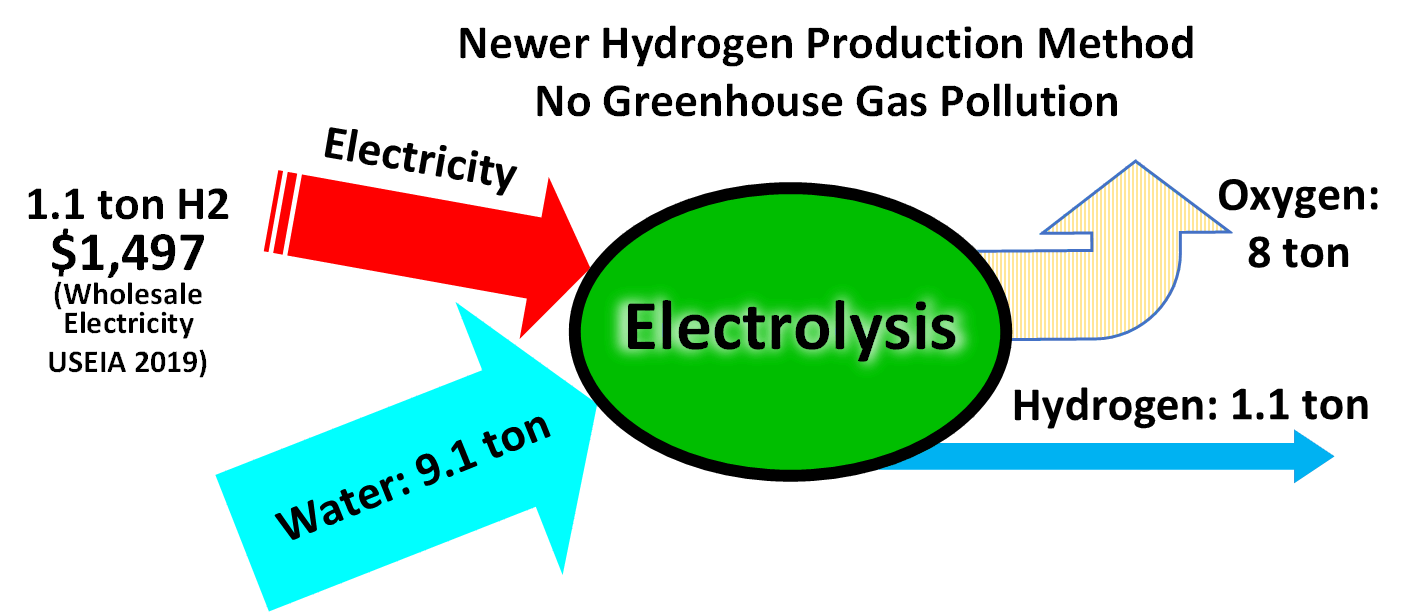

What is green hydrogen? It is hydrogen gas made by splitting water into hydrogen and oxygen with an electric current, using electricity from renewable sources such as wind, solar or hydropower. Because no fossil fuel is burned in the process, it produces very low emissions, and the only direct by-product is oxygen. It matters because it could clean up industries that cannot easily run on electricity alone, such as fertilisers, steel and shipping.
What Is Green Hydrogen? A Simple Definition
Hydrogen is the simplest and lightest element, but on Earth it is almost always bound to something else, in water or in hydrocarbons. To use it as a fuel or industrial feedstock, it first has to be separated. The way that separation is done gives hydrogen its informal colour label.
Green hydrogen is made by electrolysis powered by renewable electricity. Grey hydrogen, which is still the most common type, is made from natural gas by steam methane reforming and releases carbon dioxide. Blue hydrogen uses the same method but captures much of the carbon dioxide. Other labels exist, such as pink for nuclear-powered electrolysis and turquoise for methane pyrolysis, but the colours are shorthand rather than legal standards. Many governments now prefer to regulate by measured carbon intensity instead of colour.
How Green Hydrogen Is Made Step by Step
The chemistry is simple: two molecules of water produce two molecules of hydrogen and one of oxygen when energy is applied. In practice, the process runs like this:
- Renewable electricity is generated by a solar farm, wind farm or hydropower plant.
- Water is purified, because impurities damage the equipment. About nine kilograms of water are needed for each kilogram of hydrogen, before any losses.
- The water enters an electrolyser, a stack of cells with two electrodes separated by an electrolyte or membrane.
- Current passes through, splitting the water. Hydrogen forms at one electrode and oxygen at the other.
- The hydrogen is dried, compressed or liquefied, and then stored or transported by pipeline, truck, ship or converted into ammonia.
Commercial electrolysers typically need in the range of 50 to 55 kilowatt-hours of electricity per kilogram of hydrogen, a rule of thumb quoted in industry and agency literature. Hydrogen holds about 33 kilowatt-hours of usable energy per kilogram, so a meaningful share of the input energy is lost along the way.
Key Types of Electrolysers and Technologies
Four electrolyser families are in use or development, and each suits different conditions.
| Technology | Main features | Maturity |
|---|---|---|
| Alkaline | Liquid electrolyte, uses abundant materials, long track record | Mature, widely deployed |
| PEM (proton exchange membrane) | Compact, responds quickly to variable power | Commercial, growing |
| Solid oxide | High temperature, can use waste heat, high efficiency | Early commercial |
| Anion exchange membrane | Combines features of alkaline and PEM | Early stage |
Alkaline systems are the workhorse, while PEM units are attractive where solar and wind output fluctuates. Researchers are also working on direct seawater electrolysis and photoelectrochemical methods, though these remain far from large-scale use.
Main Advantages and Limitations
Advantages
- Very low emissions when powered by renewables.
- Works as a chemical energy store, helping balance variable wind and solar output.
- Can replace fossil hydrogen in ammonia, refining and methanol production.
- Offers a pathway to cut emissions in steelmaking, long-distance shipping and some aviation fuels.
Limitations
- High cost, driven by electrolyser prices and the price of renewable electricity.
- Energy losses at each step of production, storage and conversion.
- Infrastructure gaps: pipelines, storage sites and ports are limited.
- Hydrogen is an indirect greenhouse gas if it leaks, so leak control matters.
- Needs large volumes of water, which can be an issue in dry regions.
Costs, Efficiency and Market Role
The cost of green hydrogen is determined mainly by three things: the price of electricity, the capital cost of the electrolyser, and how many hours per year the plant operates. Cheap electricity from strong sun or wind, combined with high utilisation, lowers the cost significantly. That is why project developers favour places such as the Middle East, Chile, Australia, North Africa and parts of India.
The International Energy Agency (IEA) and the International Renewable Energy Agency (IRENA) both publish cost analysis and note that green hydrogen is still more expensive than grey hydrogen in most places without subsidies or carbon pricing. The IEA’s Global Hydrogen Review reports that low-emissions hydrogen is only a small fraction of total hydrogen production, which remains dominated by fossil fuels.
Where is it used?
Existing demand is in oil refining and ammonia production. New demand is expected in steel through direct reduction, in synthetic fuels, and in shipping through ammonia or methanol. Using hydrogen for passenger cars or home heating is generally seen as less efficient than direct electrification.
Storage and transport
Hydrogen is light and takes up a lot of space, so moving it is a challenge. Options include compressed gas in tanks and pipelines, liquefied hydrogen at extremely low temperatures, and conversion into carriers such as ammonia or liquid organic hydrogen carriers. Each option adds cost and energy losses. Underground salt caverns are considered promising for large-scale storage where geology allows, which is one reason subsurface expertise from the oil and gas sector is relevant here. Producing hydrogen close to where it will be used, for example next to a fertiliser plant, avoids many of these costs.
Leading Countries and Companies
China has built the largest fleet of electrolysers, helped by its manufacturing base. Europe has set hydrogen targets and funding programmes, and the United States introduced a tax credit for clean hydrogen production. India launched a national green hydrogen mission in 2023, and Australia, Chile, Oman and Saudi Arabia are all developing export-oriented projects.
A well-known example is the NEOM Green Hydrogen Company in Saudi Arabia, a venture involving ACWA Power, Air Products and NEOM, designed around about 2.2 gigawatts of electrolysis to make green ammonia for export. Electrolyser makers include firms from Europe, China, North America and Japan, while energy majors and utilities are also investing. Project timelines and final investment decisions change often, so check current announcements.
Future Outlook
The future of green hydrogen depends on falling electrolyser costs, abundant low-cost renewables and stable policy support. Analysts have repeatedly cut earlier forecasts, because several announced projects were delayed or cancelled when costs rose or buyers hesitated. A realistic view is that green hydrogen will grow first where it replaces existing fossil hydrogen, and then in sectors with few alternatives.
Standards and certification will also shape markets. Rules on how to count renewable electricity, and how to measure emissions across the supply chain, determine which hydrogen qualifies for subsidies and which can be traded across borders.
Frequently Asked Questions: What Is Green Hydrogen?
What is green hydrogen in one sentence?
It is hydrogen produced by electrolysing water with renewable electricity, so that production emits little or no carbon dioxide.
What is the difference between green and blue hydrogen?
Green hydrogen comes from water and renewable power. Blue hydrogen comes from natural gas, with the carbon dioxide captured and stored.
Is green hydrogen safe?
Hydrogen is flammable and requires careful handling, as natural gas and petrol do. Industry safety standards are well established.
Why is it so expensive?
Electrolysers are costly, and renewable electricity must be cheap and plentiful to make the process competitive.
Will it replace fossil fuels?
Not entirely. It is expected to play a targeted role in heavy industry and transport, alongside direct electrification and other low-carbon options.
Conclusion
So, what is green hydrogen in practice? It is a clean, flexible energy carrier whose value lies in decarbonising hard-to-abate sectors, not in replacing every fuel. Its success depends on cheaper electrolysers, reliable renewable power and clear rules. Readers following the sector should watch cost trends, policy decisions and which projects actually reach operation.
Sources and further reading
- International Energy Agency, Global Hydrogen Review: iea.org
- International Renewable Energy Agency (IRENA), hydrogen publications: irena.org
- US Department of Energy, Hydrogen Program: energy.gov
- European Commission, hydrogen strategy: energy.ec.europa.eu
- Hydrogen Council: hydrogencouncil.com