UK Approves Adura’s Jackdaw Gas Field After Two-Year Court Fight
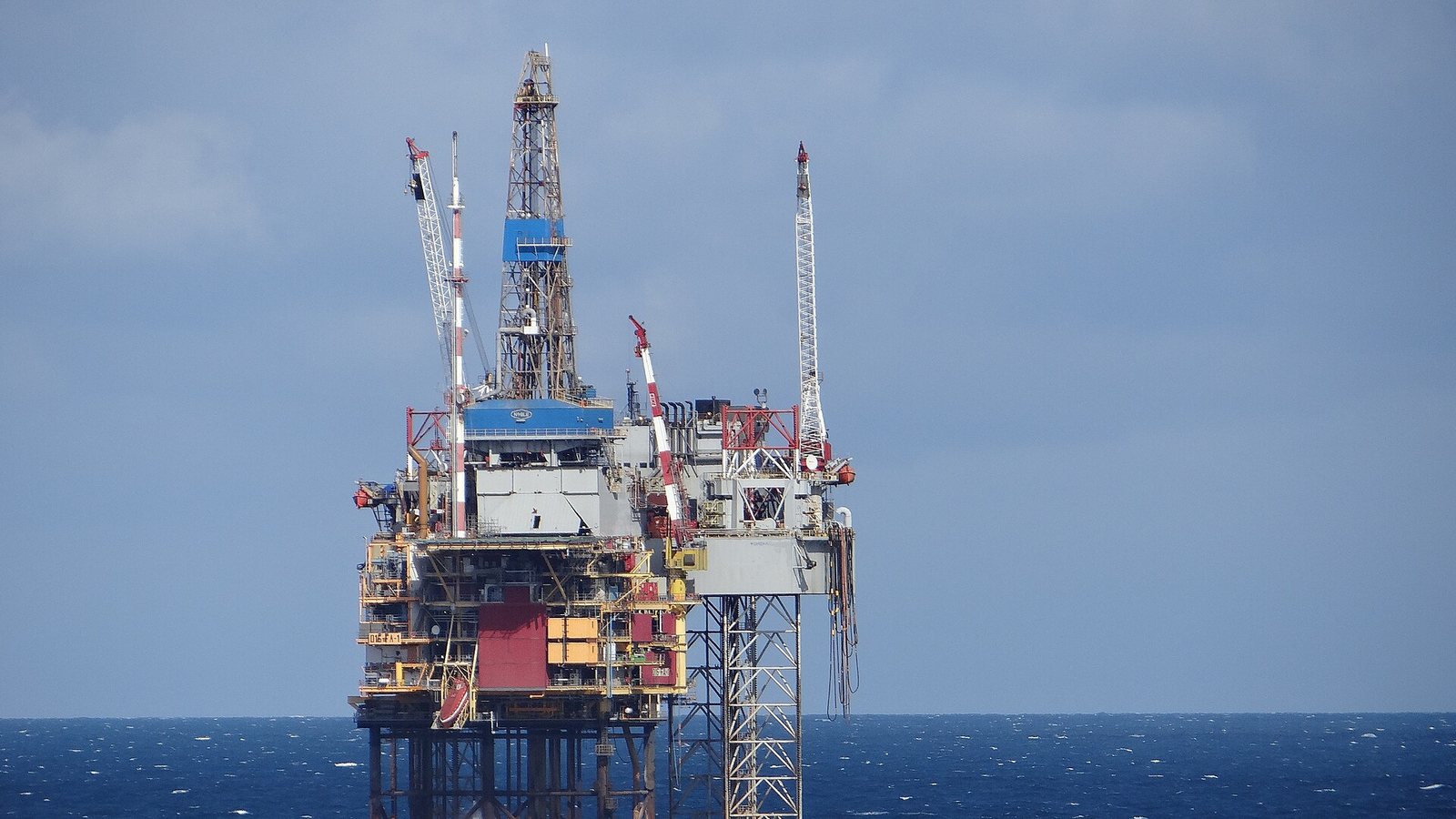

The North Sea Transition Authority has granted final consent for the Jackdaw gas field, letting the Shell-Equinor venture Adura begin supplying gas within weeks after a court quashed the project’s original approval in 2025.
The UK government has cleared the North Sea Transition Authority (NSTA) to grant production consent for the Jackdaw gas field, Adura said on October 21, ending a two-year legal fight that had stalled one of the North Sea’s most advanced undeveloped gas projects. Energy Secretary Miatta Fahnbulleh signed off on the regulator’s decision, and Adura, the Shell-Equinor joint venture that operates the field, said gas could start flowing within weeks.
Why Jackdaw needed a second approval
Jackdaw first won consent in 2022, when it was still operated by Shell alone under the previous government. That approval was quashed by Scotland’s Court of Session in January 2025, after Greenpeace argued successfully that regulators had not assessed the climate impact of burning the gas once it reached customers, only the emissions from extracting it.
The challenge drew on a 2024 UK Supreme Court ruling in a separate case, Finch v. Surrey County Council, which found that environmental impact assessments for fossil fuel projects must account for downstream, or “scope 3,” emissions from the eventual combustion of oil and gas, not just emissions from production itself. Rosebank, an oil field also under Adura’s operatorship, was quashed in the same ruling and remains in the approval queue, with a decision expected in the coming weeks, according to the Oil & Gas Journal.
To secure the new consent, Adura had to resubmit an environmental statement incorporating a downstream emissions assessment, then wait for a fresh public consultation and ministerial sign-off.
What Jackdaw adds to UK gas supply
Jackdaw sits roughly 250 km east of Aberdeen in the UK Central North Sea and has been largely built out since the original 2022 approval, with construction reported to be about 99% complete. Adura says the field could supply enough gas to heat around 1.4 million UK homes at peak production; government estimates put its contribution at roughly 6% of UK gas output at peak, according to Oil & Gas Middle East. Environmental groups, including Friends of the Earth Scotland, have put the figure closer to 2% and had urged ministers to withhold consent.
The timing matters for UK energy security. Gas storage in Europe has stayed tight heading into winter, and wholesale prices have been pushed up by disruption to Middle East oil and shipping routes through the Strait of Hormuz, a dynamic The Daily Energy has tracked in recent weeks as Brent crude pushed back toward $110 a barrel. A domestic gas field reaching production this close to peak winter demand gives the UK a modest but immediate supply buffer, even though 6% of peak output will not materially change Britain’s dependence on imported LNG and pipeline gas.
Adura’s position as the North Sea’s largest independent
Jackdaw is Adura’s first major sign-off since the company was formed. Shell and Equinor completed the 50:50 joint venture in December 2025, combining their UK Continental Shelf portfolios into what the partners describe as the largest independent oil and gas producer in the North Sea, with projected output above 140,000 barrels of oil equivalent per day in 2026. Besides Jackdaw and Rosebank, the Aberdeen-headquartered venture, led by chief executive Neil McCulloch, also operates the Buzzard, Mariner and Clair fields. Shell retained its UK gas-processing infrastructure, including the St Fergus terminal, while Equinor kept its cross-border Utgard and Statfjord interests outside the deal.
Industry reaction and what comes next
Reaction from the oil and gas sector was positive but pointed. INEOS, which holds its own North Sea production interests, welcomed the Jackdaw approval but said the government should go further and stop “taxing the North Sea into decline,” a reference to the windfall tax on oil and gas profits introduced in 2022 and extended since. The UK government paired the Jackdaw announcement with plans for a £2 billion energy wealth fund, to be financed by North Sea tax revenue and directed toward renewable and low-carbon projects, a sign ministers are trying to balance continued gas production with the UK’s net-zero commitments.
Attention now turns to Rosebank, the larger oil field caught up in the same legal challenge. Adura and its minority partner Ithaca Energy are awaiting a separate government decision on that project, which the companies have said is also largely construction-ready. How quickly ministers move on Rosebank, and whether that approval survives further legal challenge, will show whether Jackdaw’s approval was a one-off accommodation or the start of a broader unblocking of UK North Sea projects still caught in the aftermath of the Finch ruling.
Sources
- Oil & Gas Journal, “Adura gets NSTA consent to develop Jackdaw North Sea gas field,” October 21, 2026 — regulatory approval, Rosebank timeline, INEOS reaction.
- Energy Voice, “What does approval of Jackdaw mean for the UK?,” October 21, 2026 — ministerial sign-off, £2 billion energy wealth fund.
- Oil & Gas Middle East, “Jackdaw wins UK nod for 6% gas boost,” October 21, 2026 — government output estimate, Court of Session and Finch ruling background.
- Adura, “Adura to Boost UK Gas Supply With Jackdaw Approval,” October 21, 2026 — company statement, homes-heated estimate, production timeline.
- Nasdaq (Reuters), “Shell (SHEL) Receives Regulatory Nod to Develop Jackdaw Field,” October 21, 2026 — regulatory confirmation and field output estimate.
Illustrative image. Photo: Gary Bembridge from London, UK, CC BY 2.0, via Wikimedia Commons — source