Wind Turbine Technician Salary: Is It Worth It?
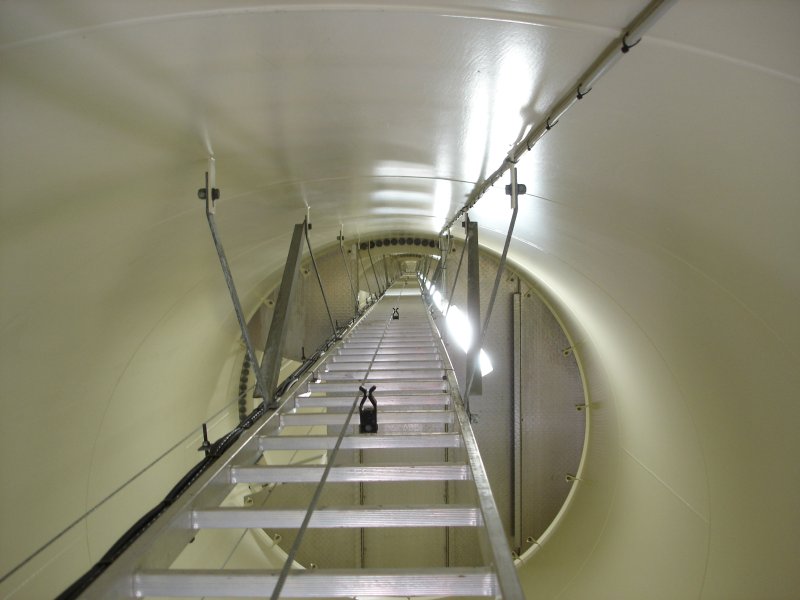

Wind turbine technician salary is typically solid for a job that does not require a four-year degree: in the United States, official data puts the median annual wage in the low-to-mid $60,000s, and demand for the role is projected to grow much faster than for most occupations. Pay depends on experience, certifications, onshore or offshore work and the employer. This guide explains what shapes the number, how a career path looks and whether the trade is worth the physical demands.
Wind Turbine Technician Salary: Quick Answer and Key Numbers
The most reliable public benchmark comes from the U.S. Bureau of Labor Statistics (BLS), which lists the occupation as “wind turbine service technicians”. In its recent Occupational Outlook Handbook editions, the median annual wage sits in the low-to-mid $60,000s, with the lowest-paid tenth earning noticeably less and the highest-paid tenth earning well above the median. Check bls.gov for the current edition, because the figure is updated every year.
Outside the US there is no single comparable dataset. Salary surveys in Europe, the Middle East and Asia are published by recruitment firms and industry bodies, and they differ in method. Treat any single “average” with caution, and compare pay together with housing allowances, rotation schedules, overtime rules and benefits.
- Entry level: apprentices and trainees earn well below the median while they build certifications and field hours.
- Experienced technicians: pay rises quickly once you can troubleshoot independently and hold the main safety and rescue certificates.
- Offshore and specialist roles: these usually pay a premium, in exchange for rotations, sea transfers and longer periods away from home.
Average Pay by Experience Level
Because published salary bands vary by country, the table below describes the typical progression rather than quoting invented numbers. Use it to see where the raises usually come from.
| Career stage | Typical experience | What changes in pay |
|---|---|---|
| Trainee or apprentice | 0 to 1 year | Starting wage, often with paid training and a probation period |
| Wind technician | 1 to 3 years | Step increases as you complete safety, electrical and mechanical competencies |
| Senior or lead technician | 4 to 8 years | Team lead allowances, fault-finding ownership, mentoring duties |
| Site supervisor or specialist | 8+ years | Supervisory pay, or niche skills such as high-voltage work, blade repair or condition monitoring |
The jump from technician to lead is where many people see the largest percentage raise. It usually requires proven judgement on safety, a clean incident record and the ability to plan work for a crew rather than only carry it out.
What Drives Wind Turbine Technician Salary?
Certifications and safety training
Working at height is the core risk of the job, so employers pay for proven competence. The Global Wind Organisation (GWO) basic safety modules, covering working at height, first aid, manual handling, fire awareness and sea survival for offshore work, are the common baseline across many markets. Advanced modules such as rescue, blade repair and electrical safety open higher-paid tasks.
Onshore versus offshore
Offshore wind farms need technicians who can transfer from vessels, work in harsher weather and stay on rotation. That extra difficulty and logistics cost generally shows up in higher base pay or allowances. The trade-off is time away from home and stricter medical and survival requirements.
Employer type
Turbine manufacturers, independent service providers and wind farm owners all hire technicians, and each pays differently. Manufacturers often offer structured training and a clear ladder. Owners and operators may offer better stability on a single site. Independent service companies tend to value flexibility and travel.
Overtime, on-call duty and travel
A large part of take-home pay can come from callout fees, weekend work and travel allowances. Two job offers with the same base wage can differ a lot once on-call rules are included, so ask how callouts are paid before you compare.
Pay by Region and Employer Type
Where a wind farm sits affects both pay and cost of living. In the US, large wind states such as Texas, Iowa, Oklahoma and Kansas have many sites and a deep labour market, while smaller markets compete on allowances. In Europe, strong offshore sectors around the North Sea support specialist pay. In developing wind markets, international turbine makers often pay expatriate or senior staff on a different scale from local hires.
For Gulf and Middle East job seekers, salary data is more fragmented, and wind is still a small part of the energy mix compared with solar. Regional recruitment platforms such as GulfTalent and Naukrigulf publish pay surveys and job listings that can help, but they should be treated as indicative and checked against current advertisements.
When you compare countries, look at the whole package: housing, transport, health cover, pension contributions, tax treatment and how many days you actually work in a rotation. A lower headline wage with free accommodation can beat a higher wage with high living costs.
Skills, Education and Career Path
Most technicians enter through a technical college programme, a vocational apprenticeship or related experience in electrical, mechanical or hydraulic maintenance. BLS describes the typical entry route as a postsecondary non-degree award plus long-term on-the-job training. A degree is not required, though an engineering qualification can help you move into planning or management later.
Core skills include:
- Basic electrical theory, including fault tracing on control and power circuits
- Mechanical maintenance of gearboxes, bearings, yaw and pitch systems
- Hydraulics and torque tooling
- Reading schematics and using diagnostic software
- Comfort with heights, enclosed spaces and physical effort
- Clear reporting, since every job leaves a service record
Typical progression
Many people start as a general technician, then specialise: electrical and controls, mechanical and drivetrain, blades, or high-voltage substations. Others move into remote monitoring, project planning, quality or health and safety roles. Because turbines are increasingly connected, data and diagnostics skills have become a clear advantage for those who want to move off the tower.
Job Outlook and Demand
BLS has repeatedly placed wind turbine service technician among the fastest-growing occupations in the US, though from a small base, so the absolute number of new openings is modest. Globally, trade bodies such as the Global Wind Energy Council expect continued installations, which in turn sustains maintenance work for the whole life of each turbine.
Two features make the job market more stable than it looks. First, turbines need scheduled servicing for as long as they operate, so maintenance employment follows the installed fleet, not only new construction. Second, ageing fleets create repowering and life-extension work. The main risk is policy and project cycles: a slowdown in auctions or permits can delay hiring for a time.
Is the Job Worth It? Pros and Cons
| Advantages | Drawbacks |
|---|---|
| Good pay relative to education required | Physically demanding work at height |
| Strong skills transferability to other power and industrial jobs | Frequent travel and remote sites |
| Clear safety-based certification ladder | On-call duty and weather-dependent schedules |
| Growing sector with long-term servicing needs | Pay and hiring tied to policy and project cycles |
For people who like practical work, dislike desk jobs and are comfortable with safety discipline, the wind turbine technician salary can justify the effort. For those with a fear of heights, caring duties that limit travel or health issues, it may not be a good fit. A short site visit or a work-experience placement is the cheapest way to test the reality.
Frequently Asked Questions About Wind Turbine Technician Salary
Is wind turbine technician a good career?
For many people yes: pay is competitive without a degree, demand is growing and skills transfer to other industries. It does require tolerance for heights, travel and irregular schedules.
How much do wind technicians earn in the US?
BLS reports a median in the low-to-mid $60,000s per year in recent editions. Individual pay can be lower or higher depending on state, employer and overtime. Verify the latest figure on bls.gov.
Do offshore technicians earn more?
Generally yes, because of rotations, vessel transfers and stricter training. Compare total package and time away from home, not only the wage.
What qualifications do I need?
A technical or vocational qualification in electrical or mechanical maintenance, plus GWO safety certificates, is the most common route. Employers also look for physical fitness and a clean safety record.
How can I raise my pay?
Add advanced certificates, specialise in electrical, blade or high-voltage work, take lead technician responsibilities and consider offshore rotations.
Conclusion
Wind turbine technician salary compares well with other trades that need no degree, and the occupation benefits from steady growth in wind capacity. The real cost is physical and logistical: heights, travel and callouts. Check the current BLS figure or the equivalent source in your country, ask about certification support and compare the full package before you accept an offer. If the work suits you, the career offers a clear path from trainee to specialist or supervisor.
Sources and further reading
- U.S. Bureau of Labor Statistics, Occupational Outlook Handbook: wind turbine service technicians (bls.gov)
- U.S. Department of Energy, wind technician career map (energy.gov)
- Global Wind Organisation, safety and technical training standards (globalwindsafety.org)
- Global Wind Energy Council, market outlook reports (gwec.net)
- GulfTalent and Naukrigulf, regional salary surveys (gulftalent.com, naukrigulf.com)