


Sakarya Gas Field: Project Tracker

Last updated: 2026-10-03
The Sakarya gas field, Turkey’s largest natural gas discovery, is producing around 9.5–10 million cubic metres of gas a day from the Black Sea, and state operator TPAO expects a second floating production unit, the Osman Gazi FPU, to roughly double that output from the third quarter of 2026, under a phased build-out meant to eventually supply about 30% of Turkey’s domestic gas demand.
What Is the Sakarya Gas Field?
Sakarya is an offshore natural-gas field discovered by Turkish Petroleum Corporation (TPAO) in August 2020, when the drillship Fatih struck gas at the Tuna-1 well in the western Black Sea. Follow-up discoveries across the surrounding block, including the Sakarya North prospect drilled in 2026, pushed TPAO’s in-place reserve estimate up from an initial 405 billion cubic metres (bcm) to about 540 bcm — making it Turkey’s largest hydrocarbon find and one of the larger Black Sea gas discoveries globally.
Where Is It Located?
The field sits in the western Black Sea roughly 175 kilometres offshore Ereğli, in Zonguldak province, at water depths of around 2,150 metres. Produced gas travels through a subsea pipeline of roughly 170–175 km to an onshore gas-processing plant at the Filyos Industrial Zone in Zonguldak, then a further 36 km of onshore pipeline connects the plant to Turkey’s national gas grid (BOTAŞ).
Who Owns and Operates It?
Turkish Petroleum Corporation (TPAO), Turkey’s state oil and gas company, holds 100% of the block and is both owner and operator — there is no international joint-venture partner on the production license, unlike many comparable Black Sea or Eastern Mediterranean projects.
Cost and Financing
Turkey’s Ministry of Industry and Technology issued an investment incentive certificate for the project valuing the overall development at approximately 145.1 billion Turkish lira (around $10 billion at then-prevailing exchange rates) over an 11-year project period, carrying customs-duty exemption, VAT exemption and a full corporate-tax reduction. The field is financed through TPAO’s own capital program and state-backed incentives rather than external project finance; TPAO has separately pursued sukuk (Islamic bond) issuance to help fund its broader exploration and production capital needs.
Capacity and Technology
| Phase | Target daily capacity | Status (Oct 2026) |
|---|---|---|
| Phase 1 (first FPU, ~10 wells) | 10 million m³/day target | Operational since April 2023; ~9.5 million m³/day actual as of April 2025 (TPAO) |
| Phase 2 (Osman Gazi FPU, up to 26–30 additional wells) | +30 million m³/day (annualized ~14 bcm/year) | Under commissioning; Turkish Energy Ministry has targeted output doubling from Q3 2026 |
| Full build-out (national target) | 40–45 million m³/day | Planned by 2028 (government and TPAO statements) |
Production uses subsea wellheads tied back to a floating production unit (FPU) that separates and processes gas before sending it to shore. The first FPU has produced since 2023; the second, named Osman Gazi, is a purpose-built FPU intended to handle the Phase 2 wells. Note on phase naming: Turkish government and TPAO statements refer to the Osman Gazi FPU build-out as “Phase 2,” while some international trade press (e.g., offshore-technology.com, NS Energy) label the 2023–2024 subsea tieback and pipeline-installation contracts awarded to Subsea7, SLB/OneSubsea and Saipem as “Phase 2” and the Osman Gazi FPU installation as a separate “Phase 3.” Both describe the same physical build-out of additional wells plus the second FPU; this page follows the Turkish Energy Ministry’s two-phase framing and flags the discrepancy rather than presenting one numbering as the only correct one.
Contractors
- Subsea7 — EPCI contract for roughly 37 km of infield flowlines and 47 km of control umbilicals; contract revenue share reported above $750 million.
- SLB (OneSubsea) — joint EPCI contractor for subsea production systems alongside Subsea7.
- Saipem — installed roughly 175 km of 16-inch export pipeline using the vessel Castorone (2024) and, under a September 2026 contract with GOE Petrol Sanayi, is providing roughly eight months of commissioning services for the Osman Gazi FPU.
- Tenaris — supplied approximately 46,000 tonnes of 16-inch seamless line pipe from its Italian mill.
- Baker Hughes — subsea systems equipment for the field’s production trees and controls.
Construction and Development Timeline
- August 2020 — Discovery: drillship Fatih discovers gas at the Tuna-1 well. (Source: TPAO/Turkish Presidency)
- 2020–2022 — Appraisal drilling: follow-up wells (Tuna-2 and others) confirm and expand the resource; initial in-place estimate set at 405 bcm. (Source: TPAO)
- 2023 — First gas, Phase 1: first FPU begins production in April 2023, targeting 10 million m³/day. (Source: TPAO, Turkish Energy Ministry)
- 2023–2024 — Phase 2 subsea contracts awarded and executed: Subsea7, SLB/OneSubsea and Saipem complete subsea tieback and pipeline installation (Castorone, 2024) for up to 26–30 additional wells. (Source: SLB, Subsea7, Saipem project disclosures)
- June 2026 — Reserve upgrade: drilling at the Sakarya North prospect leads TPAO to raise in-place reserves to 540 bcm from 405 bcm. (Source: TPAO)
- September 2026 — Osman Gazi FPU commissioning contract: Saipem awarded an approximately eight-month commissioning-services contract by GOE Petrol Sanayi for the Osman Gazi FPU. (Source: Saipem, Offshore Energy)
- Targeted Q3 2026 — Phase 2 startup: Turkish Energy Ministry states Sakarya daily output is set to double once Osman Gazi FPU comes online; not yet independently confirmed as achieved as of this update. (Source: Turkish Energy Ministry statement, cited via TDE reporting)
- 2028 (planned) — Full build-out: government and TPAO statements target 40–45 million m³/day across all phases, equivalent to roughly 14 bcm/year and about 30% of Turkey’s gas demand. (Source: TPAO, Turkish Ministry of Energy and Natural Resources)
Current Status (as of October 2026)
Phase 1 continues producing at close to its 10 million m³/day design rate. The Osman Gazi FPU — the centerpiece of Phase 2 — is in the commissioning stage following the September 2026 Saipem contract award; the Turkish Energy Ministry’s public target is for output to double once this unit is fully online, which it has said would occur from the third quarter of 2026, but TDE has not found independent, dated confirmation that the doubling has already occurred. The field’s reserve base was revised upward in June 2026 to 540 bcm following additional appraisal drilling at Sakarya North, reinforcing the government’s case for continued phased expansion toward the 2028 target.
Why It Matters for Turkey’s Gas Supply
Sakarya is central to Turkey’s push to reduce reliance on imported pipeline and LNG gas. It arrives as Turkey’s 25-year gas-purchase contract with Iran expired on July 29, 2026 with no renewal announced, and as Qatar’s LNG exports remain constrained by force majeure tied to the Strait of Hormuz crisis — both developments covered on our Turkey gas-supply tracker (linked below). A fully ramped Sakarya field, covering an estimated 30% of domestic demand, would materially change the import math in BOTAŞ’s supply portfolio, though it does not eliminate the need for pipeline gas from Russia and Azerbaijan or spot LNG cargoes.
Frequently Asked Questions
How much gas does the Sakarya field produce?
As of April 2025, TPAO reported output of about 9.5 million cubic metres per day from Phase 1, against a 10 million m³/day design target. The Turkish Energy Ministry has said this should roughly double once the Osman Gazi FPU (Phase 2) is fully online.
Who owns the Sakarya gas field?
Turkish Petroleum Corporation (TPAO), the state oil and gas company, holds 100% interest in the block and operates the field directly — there is no foreign joint-venture partner.
When will Sakarya field Phase 2 start producing?
The Turkish Energy Ministry has targeted a production doubling from the third quarter of 2026, tied to the Osman Gazi FPU coming online; Saipem’s commissioning-services contract for that FPU was awarded in September 2026 and is expected to run about eight months, so full ramp-up may extend into 2027.
How big are Sakarya’s gas reserves?
TPAO put in-place reserves at 540 billion cubic metres as of June 2026, up from an initial 405 bcm estimate, following additional drilling at the Sakarya North prospect.
How much of Turkey’s gas demand can Sakarya cover?
Turkish government and TPAO statements put the field’s eventual contribution at about 30% of national natural-gas demand once all phases reach their combined 40–45 million m³/day target, planned for 2028.
Related The Daily Energy Pages
- Who Supplies Turkiye With Natural Gas?
- Akkuyu Nuclear Power Plant: Project Tracker
- Why Are European Gas Prices Rising This Winter?
- What Happens When the Strait of Hormuz Closes?
- What is LNG? Liquefied natural gas explained
- OPEC: members, quotas and market role
Sources
- Turkish Petroleum Corporation (TPAO) and Turkish Presidency statements on the Sakarya field discovery, reserves and production, 2020–2026
- Hürriyet Daily News / Daily Sabah, reporting on the $10 billion (145.1 billion TRY) investment incentive certificate for the Sakarya project
- SLB (Schlumberger) and Subsea7, project disclosures on the Phase 2 subsea EPCI contract award, 2023
- Saipem and Offshore Energy, reporting on Castorone pipeline installation (2024) and the September 2026 Osman Gazi FPU commissioning contract
- Offshore Technology and NS Energy Business, Sakarya Gas Field Development project profiles
- Turkish Ministry of Energy and Natural Resources, statements on Phase 2 output-doubling target and 2028 full build-out plan
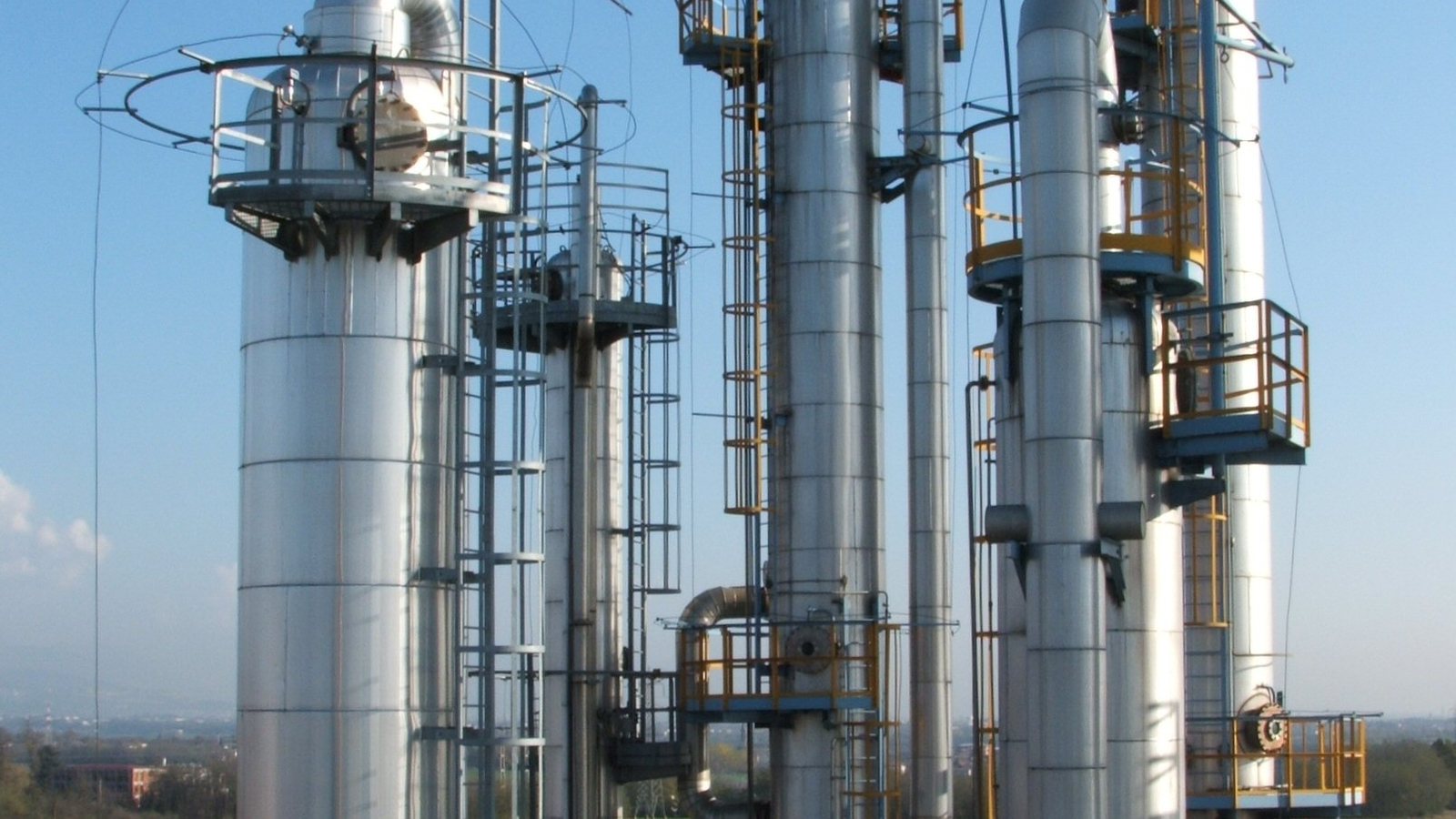
Illustrative image. Photo: User:Luigi Chiesa, CC BY 3.0, via Wikimedia Commons — source


[…] are not Turkiye’s only gas source. The offshore Sakarya field in the Black Sea has been in production since 2023. Turkiye’s Energy and Natural Resources […]