TotalEnergies Widens Methane-Detection Push With Petronas, Sonangol and Oil India
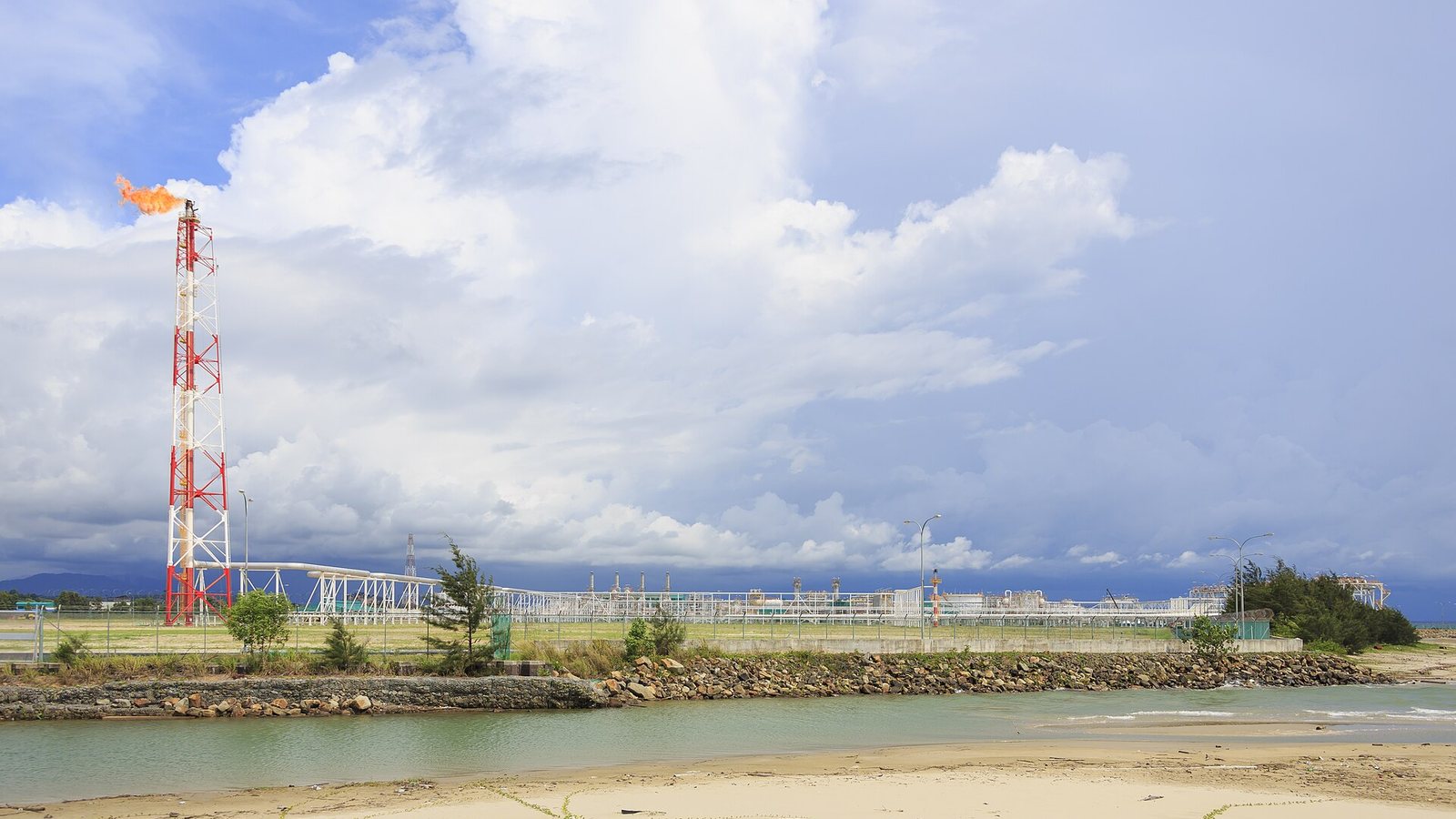

TotalEnergies has moved on three separate fronts to expand its methane-detection and -reduction work with national oil companies in Southeast Asia, Africa and South Asia, according to trade press reports published in the days around a meeting of Oil and Gas Decarbonization Charter (OGDC) members in Abu Dhabi in late October and early November. The French major is now working with Malaysia’s Petronas and two Japanese partners on a new regional testing centre, has signed a broader cooperation agreement with Angola’s Sonangol, and is extending a drone-based survey programme with India’s Oil India Limited (OIL).
A Southeast Asian testing hub with Petronas, JOGMEC and JGC
In Malaysia, TotalEnergies has agreed to collaborate with Petronas, Japan’s JOGMEC (the Japan Organization for Metals and Energy Security) and the Japanese engineering firm JGC to help establish SEA METEC, a planned regional centre dedicated to testing methane-measurement technologies. Petronas is expected to lead the centre, which would evaluate methane detection and monitoring equipment for use across Southeast Asia’s oil and gas operations. TotalEnergies is contributing technical know-how drawn from its own TADI facility in France, which the company describes as the only site in Europe dedicated specifically to testing methane detection and quantification technology. The tie-up builds on an existing, and expanding, TotalEnergies-Petronas relationship: the two companies signed deals just days earlier covering 30% operated interests in the Lang Lebah and B14 gas fields off Sarawak, underlining how closely the two companies’ upstream and emissions-management work in Malaysia are now intertwined.
A wider cooperation agreement with Sonangol in Angola
Separately, TotalEnergies and Angola’s state oil company Sonangol have signed a memorandum of understanding covering a broader slate of technical cooperation. Beyond methane detection, measurement and reduction, the agreement spans flaring reduction, energy efficiency, electrification of production facilities, carbon management and greenhouse-gas reporting, and staff training. The two companies also flagged potential support through the World Bank’s Global Flaring and Methane Reduction (GFMR) Fund, which backs emissions-reduction projects in oil-producing countries. Angola has been working to cut routine flaring at its offshore fields for several years, and a formal MoU with an operator of TotalEnergies’ scale gives that effort a dedicated technical partner rather than a one-off commitment.
A second AUSEA drone campaign over Oil India’s Assam fields
In India, TotalEnergies is extending its AUSEA methane-survey programme with Oil India Limited for a second month-long campaign, following an initial survey that covered 20 OIL-operated sites in Assam. AUSEA is a roughly 1.4-kilogram, drone-mounted dual-sensor instrument that TotalEnergies developed with France’s national science agency, CNRS, and the University of Reims Champagne-Ardenne, designed to detect and quantify methane leaks from oil and gas infrastructure without requiring staff to access the equipment directly. TotalEnergies already runs similar AUSEA campaigns with India’s ONGC, and the company lists Brazil’s Petrobras, Azerbaijan’s SOCAR and Nigeria’s NNPCL among its other AUSEA partners, making the Oil India extension part of a steadily growing list rather than a standalone pilot.
Why the push matters
Methane is a far more potent greenhouse gas than carbon dioxide over short timeframes, and the oil and gas sector has come under sustained pressure from regulators, investors and climate initiatives such as the OGDC Charter to cut leaks from wells, pipelines and processing plants. Detection has historically been the bottleneck: leaks are often intermittent, hard to access and easy to under-report without independent measurement. By pairing a dedicated testing centre in Malaysia, a broad-based cooperation framework in Angola and an expanding drone survey programme in India, TotalEnergies is positioning its in-house detection technology, rather than one-off emissions targets, as the common thread across three very different national oil company relationships.
Sources
- Hydrocarbon Engineering and World Oil, TotalEnergies methane-cooperation coverage, November 1-2, 2026 — for the Petronas/SEA METEC, Sonangol MoU and Oil India AUSEA campaign details.
Illustrative image. Photo: CEphoto, Uwe Aranas, CC BY-SA 3.0, via Wikimedia Commons — source