China Hosts Half the World’s Clean Industrial Plants
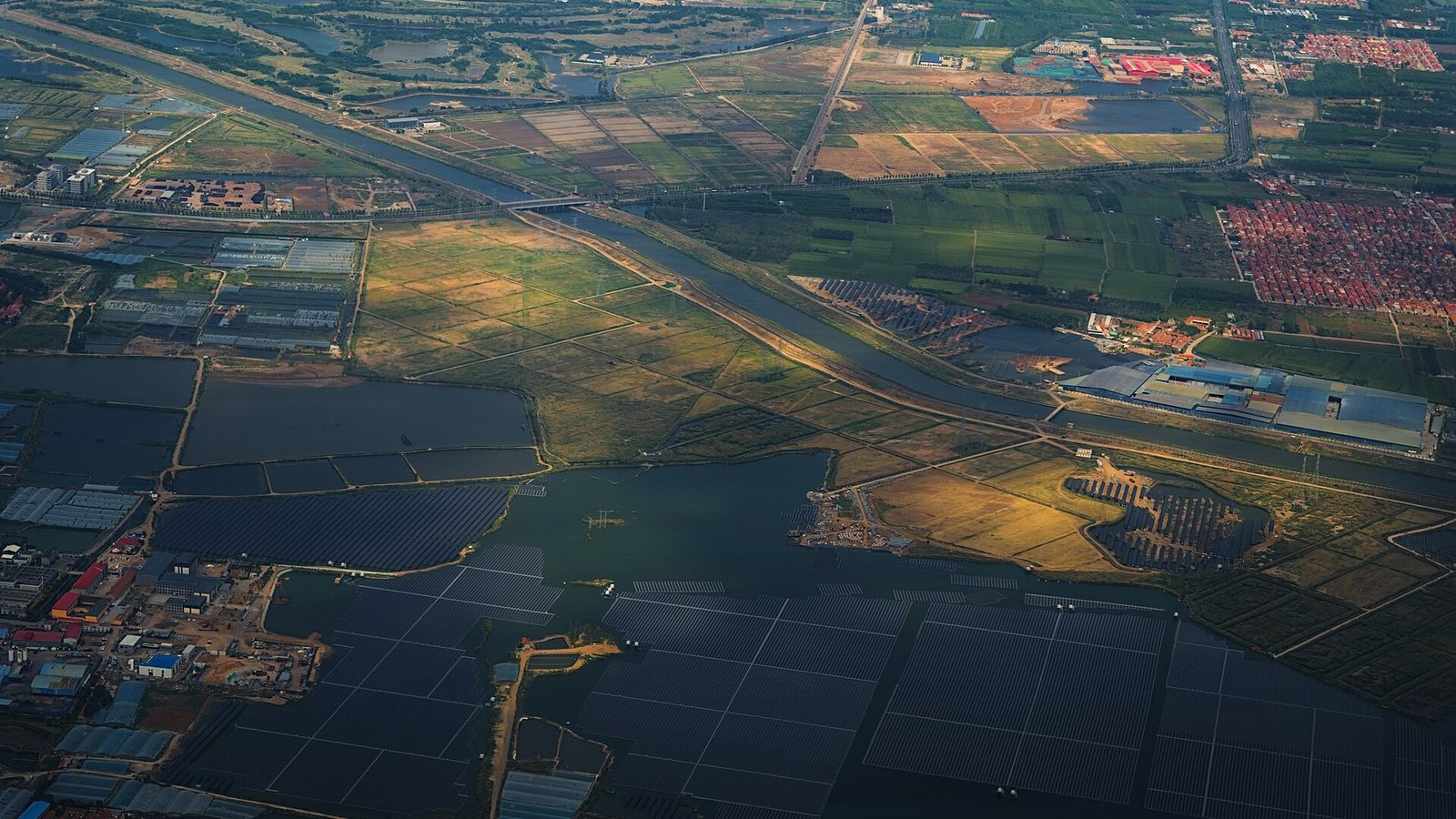

China is now home to 49% of the world’s operating and under-construction clean industrial plants, according to a tracker published Wednesday by the Mission Possible Partnership (MPP), a decarbonization-focused research initiative, with the findings separately reported by Reuters. The report says China attracted $45 billion in energy transition investment this year, reinforcing its position as the largest single investor in wind, solar, batteries and other low-carbon technologies.
A record year for project approvals, concentrated in China
The MPP tracker counts commercial-scale industrial decarbonization projects that have reached a final investment decision (FID), and it found a record 36 such projects approved over the past 12 months — of which 23, nearly two-thirds, were in China. The leading sectors for these approvals were sustainable aviation fuel, methanol and clean ammonia, areas MPP groups among the “hard-to-abate” industries that are harder to electrify than power generation or passenger vehicles. According to the tracker, China now accounts for more than 90% of global clean methanol production capacity and over 40% of clean aluminium capacity worldwide. MPP’s chief executive said the industry needs to “move from tens to hundreds of financed plants each year” to stay on track with global decarbonization goals, a comment that underscores how early-stage this build-out still is relative to the scale required.
Renewables growth collides with data-center demand
China’s National Energy Administration separately reported that the country’s combined installed wind and solar capacity passed 2 billion kilowatts (2,000 gigawatts) by the end of September, after adding 170 million kilowatts (170 gigawatts) of new capacity in the first nine months of the year alone — a pace that dwarfs the installed base of most national grids. The MPP report notes that clean industrial projects are increasingly competing with the country’s fast-growing data-center sector for scarce grid capacity, with transmission networks in parts of China struggling to keep up with simultaneous demand from new factories and server farms. The dynamic echoes a problem now familiar in the United States and Europe, where utilities have cited data-center load growth as a constraint on connecting new industrial and clean-energy projects.
Still the world’s largest coal consumer
The investment figures sit alongside a less flattering data point: China remains the world’s largest coal consumer, relying on coal for close to half of its electricity generation, and it continues to build the majority of the world’s new coal-fired power capacity. That combination — record clean-industry investment and continued heavy coal use — reflects a Chinese energy system that is expanding on nearly every front simultaneously rather than substituting one source for another. For context on how coal, gas, nuclear and renewables currently fit together in China’s power mix, see The Daily Energy’s China Energy Profile, published last month. China’s nuclear buildout has continued in parallel with the clean-industry push: builders poured first concrete on Unit 5 at the Haiyang nuclear plant on November 2.
Sources
- Mission Possible Partnership, clean industrial plants tracker, November 4, 2026 — plant count, investment figures, FID data and sector breakdown.
- Reuters, report on the MPP tracker, November 4, 2026 — independent confirmation of the headline figures.
- OilPrice.com, “China Now Home to Nearly Half of World’s Clean Industrial Plants,” November 4, 2026 — additional detail on China’s wind, solar and coal capacity from the National Energy Administration.
Illustrative image. Photo: Benlisquare, CC BY-SA 4.0, via Wikimedia Commons — source