


Oil Climbs Back Above $102 as Hormuz Tanker Attacks Hit Wartime High
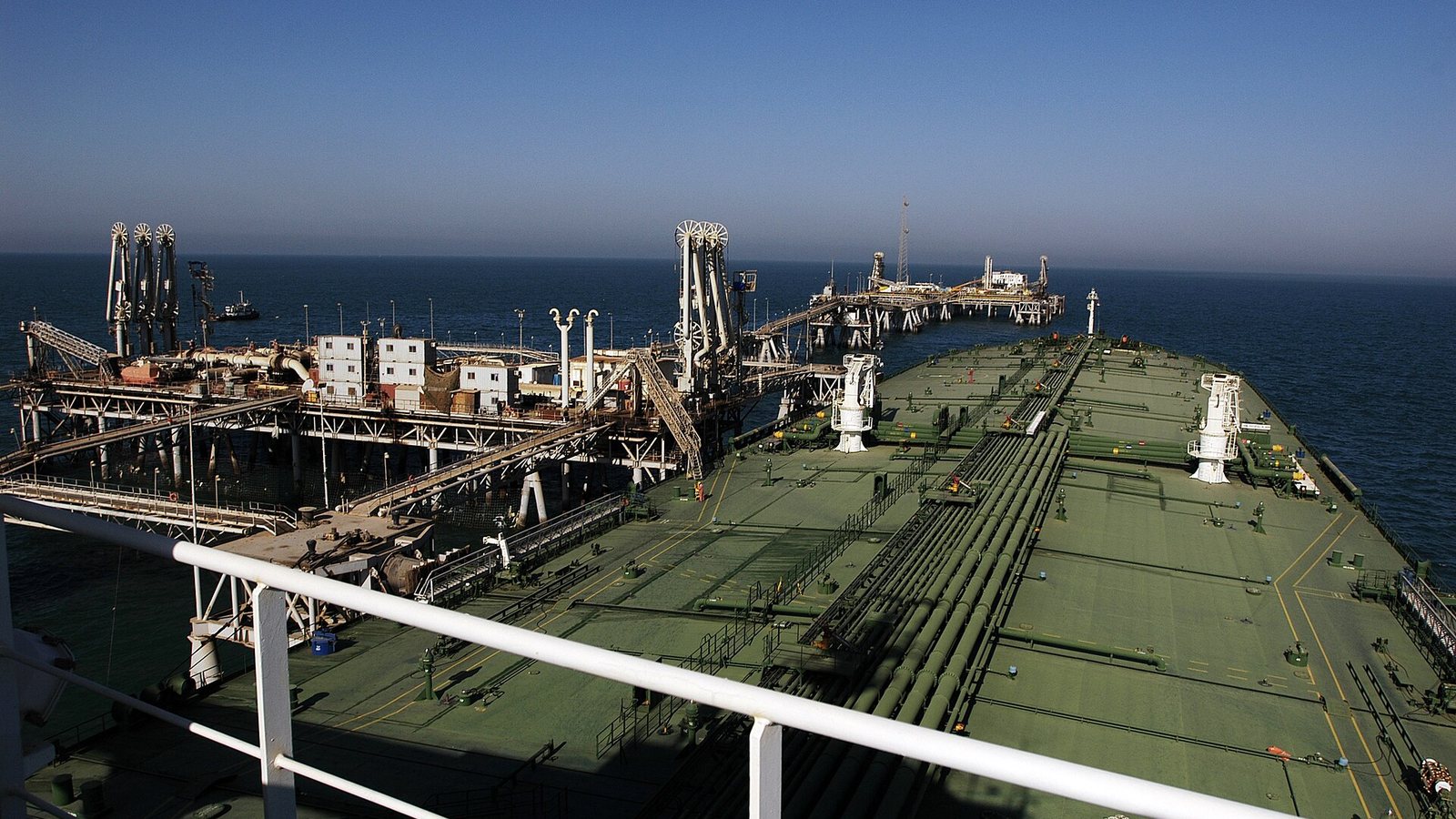

Brent crude climbed back above $102 a barrel in Asian trading on Thursday, 8 October, as attacks on merchant ships in the Strait of Hormuz ran at their fastest pace since the Iran war began on 28 February and traffic through the waterway dropped to its lowest level in more than two months. The rebound wiped out Wednesday’s dip, which had followed a decision by International Energy Agency (IEA) members to speed up emergency oil-stock releases.
A one-day dip, then a $2 rebound
Brent futures were up $2.28, or 2.28%, at $102.28 a barrel at 04:27 GMT, while US West Texas Intermediate (WTI) gained $1.66 to $89.94, according to Reuters. Both benchmarks had settled lower on Wednesday after the IEA announcement, and Brent had briefly traded below $100 earlier in the week when tanker-tracking firms said crude flows through Hormuz were approaching pre-war levels, a trend The Daily Energy covered on 5 October.
The recovery in flows now looks fragile. Saul Kavonic, an energy analyst at MST Marquee, told Reuters that the frequency of Iranian attacks on ships was at its highest point since the war began and “likely to intensify further”. He cited constrained refined-product flows, extreme logistics costs and a high likelihood of escalation as the factors holding prices up.
Seven transits on Tuesday, a tanker hit off Qatar on Wednesday
Data from analytics firm Kpler showed seven commodity vessels passed through the strait on Tuesday, 6 October, the fewest since 23 July, The National reported. A US Navy-led maritime information service counted roughly a dozen attacks on commercial shipping between 28 September and 2 October, according to Reuters data cited by OilPrice.com, making last week the busiest of the conflict for strikes on tankers. Fewer transits matter as much as the attacks themselves: shipowners and charterers that pause sailings take cargoes off the water even when no vessel is hit.
The most recent serious incident came on Wednesday. The UK Maritime Trade Operations agency (UKMTO) said a tanker north of Qatar had been struck by multiple projectiles, causing casualties. UKMTO’s notice, as reported, did not identify the vessel or attribute responsibility. Earlier in the month, three tankers were hit by unidentified projectiles in the same waters.
ANZ commodity strategist Daniel Hynes said, in comments carried by Reuters, that “in the past, such attacks have resulted in a reduction in shipments from the Persian Gulf.” Liquefied natural gas has been hit harder than crude: LNG flows through Hormuz remain more than 75% below pre-war levels, and QatarEnergy at the end of September extended force majeure on LNG deliveries to Asia and Europe through the end of November, OilPrice.com reported.
Why the IEA decision did not calm the market
At Wednesday’s meeting, IEA member governments agreed to complete the 400-million-barrel collective release launched in March as quickly as possible and to prioritise diesel where they can, given how tight distillate markets have become. About 325 million barrels have already reached the market, so finishing the programme would add roughly 100 million more, according to the agency’s figures reported by Anadolu Agency. Member governments still hold about 1.1 billion barrels of publicly owned emergency stocks, including more than 200 million barrels of diesel, and IEA Executive Director Fatih Birol said the agency stands ready to release more “if and when required”.
Traders read the move as a faster delivery schedule rather than new supply. JPMorgan analysts wrote that “the headline 100 million barrels does not represent 100 million barrels of new intervention”, Reuters reported, and a European Commission spokesperson said EU releases must stay within the volumes approved in March. The decision also follows last week’s G7 pledge to release 100 million barrels of crude and diesel. IEA members will review the plans at a Governing Board meeting next week.
US data point the same way on diesel. In the week to 2 October, US commercial crude inventories fell 3.2 million barrels to 424.1 million, almost double the 1.7-million-barrel draw analysts polled by Reuters had expected, while distillate stocks slipped 42,000 barrels to 105.14 million barrels, well below the five-year range for the time of year, according to Energy Information Administration figures cited by Reuters.
Strike reports and a Gulf of Mexico hurricane add risk
Two further factors are feeding into prices, and they need to be kept apart from the shipping data. First, The Atlantic reported on Tuesday, citing unnamed US officials, that the Pentagon was identifying potential targets in Iran and that the scale of any strikes was still being discussed. The report has not been officially confirmed, and President Donald Trump had earlier indicated that strikes would resume only after the US midterm elections, The National noted.
Second, Isaias, which strengthened into the first hurricane of the 2026 Atlantic season late on Wednesday, prompted US offshore producers to shut in about a quarter of Gulf of Mexico oil output as of Wednesday, according to US offshore regulator data reported by Reuters. That removes barrels from the one major producing region far from the Gulf conflict, at the same time as diesel inventories are thin on both sides of the Atlantic.
For a market that spent the past week pricing in a gradual normalisation of Gulf exports, the combination of rising attack numbers and collapsing transit counts is a reminder of how much of the world’s supply still depends on a single corridor. Background on that exposure is in our explainer on what happens when the Strait of Hormuz closes.
Sources
- Reuters via Investing.com, “Oil rises as Middle East supply concerns persist amid shipping attacks”, 8 October 2026 — investing.com — Brent and WTI prices, UKMTO incident, analyst comments, EIA inventory data, Gulf of Mexico shut-ins.
- The National, “Oil prices rise on potential US strikes on Iran before midterm elections”, 8 October 2026 — thenationalnews.com — Kpler transit count, The Atlantic report, war start date.
- OilPrice.com, “Oil Jumps 2% as Iran Steps Up Attacks on Hormuz Tankers”, 8 October 2026 — oilprice.com — attack count for 28 September–2 October, ANZ comment.
- Anadolu Agency, “IEA members to accelerate release of strategic oil reserves”, 7 October 2026 — aa.com.tr — IEA decision, volumes released and outstanding, remaining public stocks.
- Reuters via Al-Monitor, “IEA to accelerate oil reserve release, says 100 million barrels still to come”, 7 October 2026 — al-monitor.com — JPMorgan interpretation, EU position, Governing Board review.
- OilPrice.com, “QatarEnergy Secures $3 Billion Loan From Chinese Banks as LNG Exports Stall”, 7 October 2026 — oilprice.com — LNG flows through Hormuz and QatarEnergy force majeure extension.
Illustrative image. Photo: U.S. Navy photo by Photographer's Mate Airman Eben Boothby, Public domain, via Wikimedia Commons — source



_takes_on_crude_oil_in_the_Persian_Gulf.jpg)