


Norwegian Supply Cuts Push UK and European Gas Prices Sharply Higher

Weakening Norwegian gas supply, not stronger demand, drove UK and European gas prices sharply higher this week, with the UK’s day-ahead NBP contract settling at 190.00 pence per therm on Thursday, up 7.75 p/therm on the day, before easing back toward 182 p/therm on Friday morning as reports of a possible phased reopening of the Strait of Hormuz briefly calmed the market. The episode illustrates how thin the margin for error has become in European gas markets heading into winter, with maintenance-driven supply cuts from Norway’s continental shelf now compounding a geopolitical risk premium that has already elevated prices for months.
A fourth straight day of falling Norwegian flows
Norwegian exit nominations fell to 221.3 million cubic meters per day on Thursday, the fourth consecutive daily decline, with flows to the UK dropping to just 12.5 mcm/day and only around 1.9 mcm/day expected via the Langeled pipeline into Britain. The pullback follows a month of unusually heavy maintenance across Norway’s gas infrastructure: planned and unplanned outages at the Troll, Oseberg, Kristin, Sleipner, Skarv, Kvitebjorn, Nyhamna, Aasta Hansteen, Kollsnes and Asgard fields and terminals combined to push September pipeline deliveries to Northwest Europe down sharply from August levels. Norway’s Offshore Directorate reported gas output missing its own forecast by 6.6 million standard cubic meters per day this month, with total September pipeline exports running as low as roughly 6.4 billion cubic meters against typical capability well above that.
Continental prices moving in tandem
The Dutch TTF front-month contract for October delivery rose 4.3% to €75.11 per megawatt-hour, tracking the UK move, as traders priced in tighter continental balances alongside the UK squeeze. European gas storage sat at 70.2% of capacity, with German sites lagging further behind at 56.99%, continuing a pattern of below-average storage levels heading into the withdrawal season. Winter-26 UK contracts settled at 189.48 p/therm and the October-26 front-month at 187.56 p/therm, both reflecting the market’s expectation that supply tightness will persist into the coldest months rather than resolve quickly.
Layered on top of an already fragile market
Norway has effectively replaced Russia as Europe’s primary pipeline gas supplier since 2022, which means Norwegian outages now carry outsized weight in setting continental and UK prices — a vulnerability that has become more visible as this year’s heavy maintenance season collided with a geopolitical backdrop already pushing energy costs higher. Gas, power and carbon prices had already been settling higher this week before Friday’s partial reversal, driven in large part by the broader standoff in the Middle East that has kept the Strait of Hormuz closed to normal traffic and Brent crude elevated. That dynamic has also strained European storage discipline this autumn, arriving on top of gas inventories that were already running 18 percentage points below the seasonal average before this month’s cuts began.
What traders are watching next
Two variables will decide whether this week’s spike proves temporary or the start of a firmer winter floor for prices. The first is the pace at which Norwegian fields return from maintenance: Gassco and the field operators have not published a hard date for full restoration of Langeled capacity, and any slippage into October would collide directly with peak heating-season demand. The second is the outcome of the wider Middle East diplomacy around the Strait of Hormuz, which has already shown it can move NBP and TTF prices within a single trading session — Friday’s pullback toward 182 p/therm on reopening speculation is itself evidence of how tightly the two stories have become linked for European buyers.
Watching for a rebound
Norway’s Continental Shelf maintenance season typically concludes by early October, and historical patterns — including a sharp rebound in pipeline exports the following month in past years — suggest flows should recover once outages clear. Until then, the UK and European markets remain exposed to any further slippage in Norwegian output, on top of the wildcard of Middle East diplomacy, a combination that helps explain why European gas prices have been climbing into this winter even without a single dramatic supply shock. For consuming markets further afield, including countries like Türkiye that depend on diversified pipeline and LNG imports, the tightening in Northwest Europe is a reminder that price pressure from one corner of the gas market can spread quickly to others.
Sources
- Prestige Business Solutions, “Energy Market Report – 25 September 2026”
- Trade press aggregation of Norwegian Offshore Directorate and pipeline operator data on September 2026 Norwegian Continental Shelf maintenance and export volumes
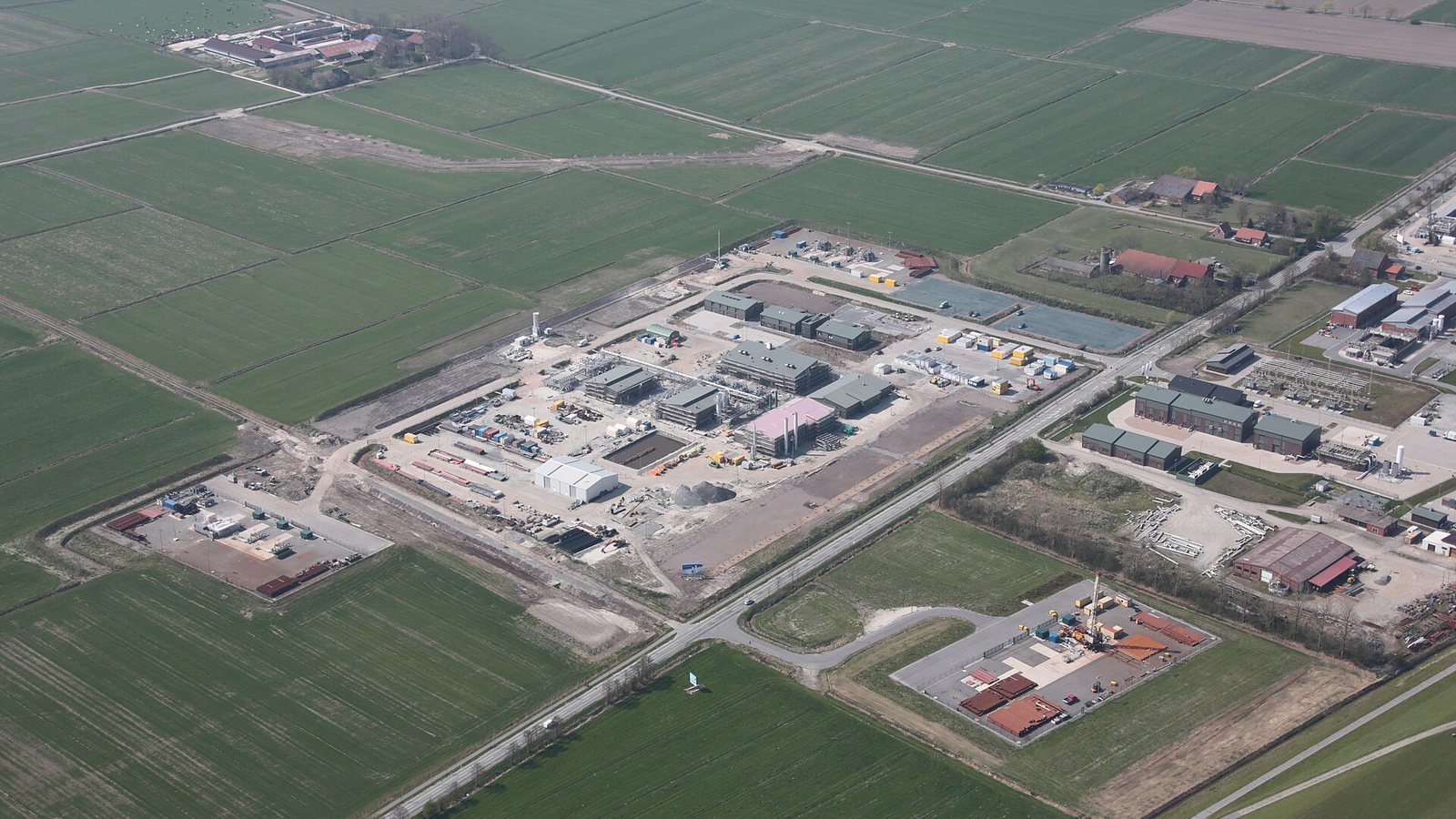
Illustrative image. Photo: Alchemist-hp (talk), CC BY-SA 3.0, via Wikimedia Commons — source


[…] amid broader efforts across the region to diversify supply away from Russia and reduce exposure to the kind of price spikes that have hit northern European gas markets this […]
[…] is complete. Norwegian supply swings have had outsized effects on European prices before: unplanned Norwegian gas supply cuts pushed UK and European prices sharply higher earlier this year, underscoring how reliant the continent remains on Norwegian output as it heads […]