Global Energy Monitor tracks 797 energy facilities in Norway, including power plants with 35.3 GW of operating generating capacity. A further 300 MW is under construction and 33.8 GW is in planning stages.
Norway has 35.3 GW of operating power generation capacity across 309 plants in the Global Energy Monitor dataset. Hydropower is the largest source, with 28.9 GW or 82% of the total. It is followed by wind (16%) and oil & gas (1.5%).
Low-carbon sources — nuclear, hydropower, wind, solar, geothermal and bioenergy — make up 99% of operating capacity, while coal, oil and gas account for 1.5%. Wind and solar alone represent 17%.
A further 300 MW of generating capacity is under construction, led by wind (300 MW). Another 33.8 GW is announced, proposed or in pre-construction.
Beyond power generation, the map covers 34 gas pipeline projects (about 9,327 km in operation), 9 oil and NGL pipelines, 7 LNG terminals (0.5 mtpa import capacity in operation; 4.7 mtpa export capacity in operation), 139 oil and gas fields (91 producing) and 3 coal mines in Norway.
How much power generation capacity does Norway have?
Global Energy Monitor tracks 35.3 GW of operating power plant capacity in Norway, counting plants of all technologies above the trackers' size thresholds.
What is the largest power plant in Norway?
The largest power plant in Norway in the dataset is Kvilldal hydroelectric plant, a 1.24 GW hydropower plant.
What share of Norway's power capacity is renewable?
Renewables — hydropower, wind, solar, geothermal and bioenergy — make up about 99% of operating power capacity in Norway. Note that shares of capacity differ from shares of electricity generated, because technologies run for different numbers of hours.
Does Norway have nuclear power plants?
No operating nuclear power plant is recorded in Norway in the dataset.
Does Norway have LNG terminals?
Yes. The dataset lists 7 LNG terminal projects in Norway. Operating import capacity: 0.5 mtpa. Operating export capacity: 4.7 mtpa.


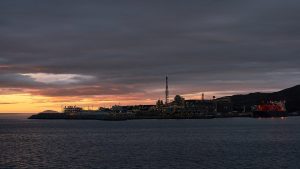 Norway’s Gas Sales Surge Nearly 20% as Europe Braces for Winter
 UK, Norway and Canada Launch $10bn ’10by30′ Climate Finance Pact at COP31
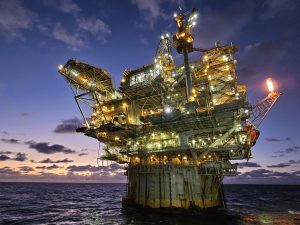 Equinor Company Profile: Norway’s Energy Champion
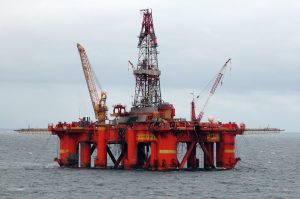 Norway’s Energy Sector: Oil, Gas and Hydropower
 EU Reaffirms Arctic Drilling Ban as Norway Pushes Back and Winter Gas Supplies Stay Tight