Global Energy Monitor tracks 873 energy facilities in Hungary, including power plants with 10.6 GW of operating generating capacity. A further 1.02 GW is under construction and 477 MW is in planning stages.
Hungary has 10.6 GW of operating power generation capacity across 831 plants in the Global Energy Monitor dataset. Solar is the largest source, with 4.06 GW or 38% of the total. It is followed by oil & gas (37%) and nuclear (19%).
Low-carbon sources — nuclear, hydropower, wind, solar, geothermal and bioenergy — make up 61% of operating capacity, while coal, oil and gas account for 39%. Wind and solar alone represent 41%.
A further 1.02 GW of generating capacity is under construction, led by oil & gas (1.00 GW). Another 477 MW is announced, proposed or in pre-construction.
Beyond power generation, the map covers 15 gas pipeline projects (about 1,215 km in operation), 3 oil and gas fields (3 producing) and 6 coal mines in Hungary.
How much power generation capacity does Hungary have?
Global Energy Monitor tracks 10.6 GW of operating power plant capacity in Hungary, counting plants of all technologies above the trackers' size thresholds.
What is the largest power plant in Hungary?
The largest power plant in Hungary in the dataset is Paks nuclear power plant, a 2.03 GW nuclear plant.
What share of Hungary's power capacity is renewable?
Renewables — hydropower, wind, solar, geothermal and bioenergy — make up about 42% of operating power capacity in Hungary. Note that shares of capacity differ from shares of electricity generated, because technologies run for different numbers of hours.
Does Hungary have nuclear power plants?
Yes. Hungary has 1 operating nuclear power plants with a combined 2.03 GW of capacity.


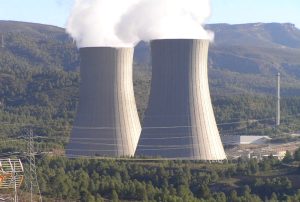 Countries With the Most Nuclear Reactors
 What Is Rosatom? Russia’s Nuclear Giant Explained
 Romania’s Cernavodă Nuclear Plant Restarts Both Reactors After Drought Shutdown
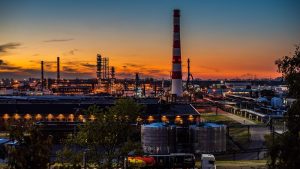 Russia Energy Profile: Oil, Gas, Power and Sanctions (2026)
 Is Türkiye Being Bypassed? €22bn Black Sea Cable to Carry Azerbaijani Green Power to Europe
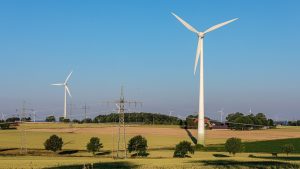 EIB Adds €20 Million to Austria’s Burgenland Energie as Wind and Solar Push Toward 2030 Independence Goal