Japan’s Electricity Price Hits Highest Level Since 2022 as Cold Weather Nears

Japan’s wholesale electricity price climbed on Monday to its highest level since August 2022, as forecasts of snow and colder temperatures across the country’s main islands pushed utilities toward greater reliance on natural gas just as the fuel itself is becoming more expensive. The nationwide day-ahead spot price, traded on the Japan Electric Power Exchange (JEPX), rose 6% from the previous week to around $0.24 per kilowatt-hour (roughly 37.50 yen), Bloomberg reported, citing exchange data.
A Cold, Cloudy Squeeze on the Grid
The immediate trigger is weather. Forecasters expect snowfall and a sharp temperature drop this week in the Chubu and Hokkaido regions, which will lift heating demand right as cloud cover cuts into solar generation across the country. With less solar output available to offset demand, Japan’s grid operators are leaning more heavily on gas-fired plants, which supply around 30% of the country’s total electricity generation and effectively set the marginal price on the JEPX during periods of tight supply.
That dependence is precisely what makes Japanese power prices so sensitive to the global gas market. LNG-fired generation does not simply compete with other domestic fuel sources for dispatch; it competes with every other LNG buyer worldwide for the physical cargoes themselves, so a tightening in that international market shows up almost immediately on Japanese household and industrial power bills.
Why Gas Is Doing the Heavy Lifting, and at a Cost
Natural gas has grown markedly more expensive this year, which traders and analysts have linked to the disruption in Gulf shipping tied to the Strait of Hormuz crisis. Spot LNG prices for North Asian delivery have roughly tripled year-on-year, to around $30 per MMBtu, forcing Asian utilities to ration gas use where they can and switch to coal wherever their plants allow it. Japan does not have that flexibility in every case, since several of its coastal gas plants were built with limited or no coal-burning capability, and the country’s post-Fukushima nuclear fleet, while recovering, still supplies a smaller share of generation than it did before 2011.
The result is that Japan may need to buy more LNG at elevated prices simply to get through the winter’s cold snaps, even as it tries to manage the cost of doing so. That is a markedly different position from the one Japanese utilities were in during the mid-2010s, when a global LNG supply glut kept spot cargoes cheap.
Japan’s Widening Competition With China for LNG
One consequence of this year’s price environment is a shift in the global LNG pecking order. Japan is on track to overtake China as the world’s largest LNG importer this year for the first time since 2022, according to analysts cited in market reports, a reversal that reflects both high prices discouraging Chinese buyers with ample storage options from topping up cargoes, and Japan’s comparatively thinner storage buffers forcing it to purchase regardless of price. That dynamic adds a second layer of demand competition on top of the direct weather-driven draw on gas-fired generation, reinforcing the upward pressure on spot prices at home.
Europe Feels a Similar Chill
Japan is not alone in facing this squeeze. Benchmark European gas prices rose more than 8% at the Amsterdam open on Monday, as forecasters pointed to colder conditions arriving just as the continent heads into winter with unusually low gas inventories for this point in the season. The parallel moves in Tokyo and Amsterdam illustrate how a tightly linked global LNG market now transmits a single weather pattern and a single regional supply shock into price spikes on opposite sides of the world almost simultaneously. UK household energy bills are already set to rise sharply in January for closely related reasons, and the U.S. benchmark Henry Hub price, while structurally cheaper than either Asian or European gas, has not been immune to the same global tightening. Japan, for its part, already ranks among the countries with the most expensive electricity in the world, a position Monday’s price move will do nothing to change.
Sources
- Japan Electric Power Exchange (JEPX) — day-ahead spot price data, as cited by Bloomberg, November 23, 2026.
- Michael Kern, “Japan’s Electricity Prices Surge to 2022 High as Cold Weather Arrives,” Oilprice.com, November 23, 2026 — for consolidated reporting on the price move, weather drivers, LNG market context and European gas prices.
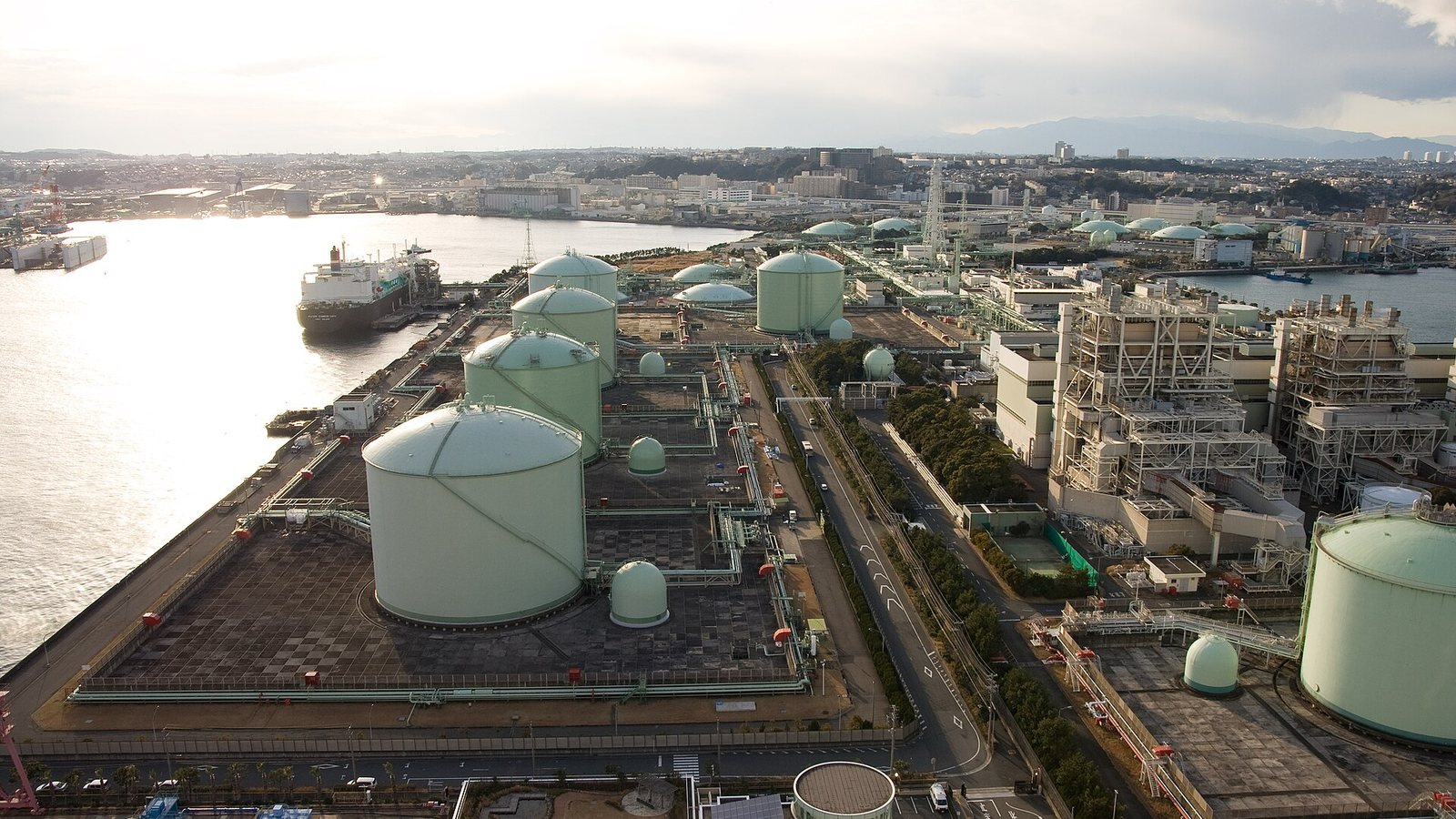
Illustrative image. Photo: Σ64, CC BY 3.0, via Wikimedia Commons — source