Revolution Wind Reaches Full Power Off Rhode Island After a Federal Permitting Fight

Orsted said on November 5 that Revolution Wind, its 704-megawatt offshore wind farm off the Rhode Island coast, has reached full commercial operation, with all 65 turbines now generating at their rated output. The milestone caps roughly a year in which a federal stop-work order, issued on national-security grounds, threatened to halt the nearly finished project before a court injunction let construction resume.
A legal fight resolved in the water
Revolution Wind is a 50:50 joint venture between Orsted and Skyborn Renewables, a portfolio company of Global Infrastructure Partners. The project had already installed most of its turbines when the U.S. Bureau of Ocean Energy Management ordered a halt to work in 2025, citing unspecified national-security concerns. Revolution Wind was one of several East Coast offshore wind projects caught up in similar reviews under the Trump administration, alongside Coastal Virginia Offshore Wind, Sunrise Wind, Empire Wind 1 and Vineyard Wind 1.
A federal judge granted a preliminary injunction that let work resume, and Orsted has said construction continued through last September, when the last of the 65 turbines was installed. The company brought the farm up to partial, then full, output over the following weeks, reaching 100% of rated capacity by early November.
704 megawatts, two states
The farm’s 65 Siemens Gamesa 11-megawatt turbines sit roughly 15 nautical miles off Point Judith, Rhode Island. Its output is split between two 20-year power-purchase agreements: 400 MW sold to Rhode Island utility National Grid, and a combined 304 MW sold to Connecticut’s Eversource and United Illuminating. Those contracts, signed years before construction began, are what make Revolution Wind a bellwether for the US offshore wind pipeline rather than just another Orsted project: utilities and ratepayers in two states were waiting on this specific capacity to show up on the grid.
Revolution Wind is now the third large US offshore wind farm to reach full operation, following South Fork Wind and Vineyard Wind 1, both of which also faced permitting delays before coming online this year.
The cost of delay
The stop-work episode was not free. Orsted booked impairment losses of 1.2 billion Danish kroner (roughly $170 million) tied to Revolution Wind in the first nine months of 2026, a charge the company has attributed largely to the financing and schedule costs of the forced pause and the litigation that followed it. Equinor, which faced a parallel legal challenge over its Empire Wind 1 project, saw that case dismissed as moot once the review period behind the original order expired.
More US offshore wind still in limbo
Revolution Wind’s path to full operation does not resolve the broader standoff over US offshore wind. The administration has separately asked federal courts to preserve its option to reconsider permits already granted to three other offshore projects, and in October it opened a national-security review of wind-turbine imports under Section 232 trade authority, a process that could lead to tariffs rather than an outright block. For developers with projects already under construction, Revolution Wind’s outcome offers a precedent: a stop-work order can be overturned in court, but not without cost, delay and a hit to project economics that ultimately gets booked somewhere on a balance sheet.
For Rhode Island and Connecticut, the more immediate consequence is supply: 704 MW of firm, contracted offshore wind capacity that both states’ resource plans have been counting on is now delivering power, more than two years after Orsted and its partners first reached a final investment decision on the project.
Sources: Orsted, press statement on commercial operations at Revolution Wind, Nov. 5, 2026; Rigzone, “Orsted Reaches Commercial Operation at Revolution Wind,” Nov. 6, 2026; Rhode Island Current, “Third major US offshore wind farm is now fully operational,” Nov. 5, 2026; POWER Magazine, “Revolution Wind Offshore Wind Project Enters Commercial Operation.”
Internal reference: The Daily Energy previously reported on the U.S. Justice Department’s attempt to revoke Revolution Wind’s permits and profiled Orsted’s ownership and project portfolio.
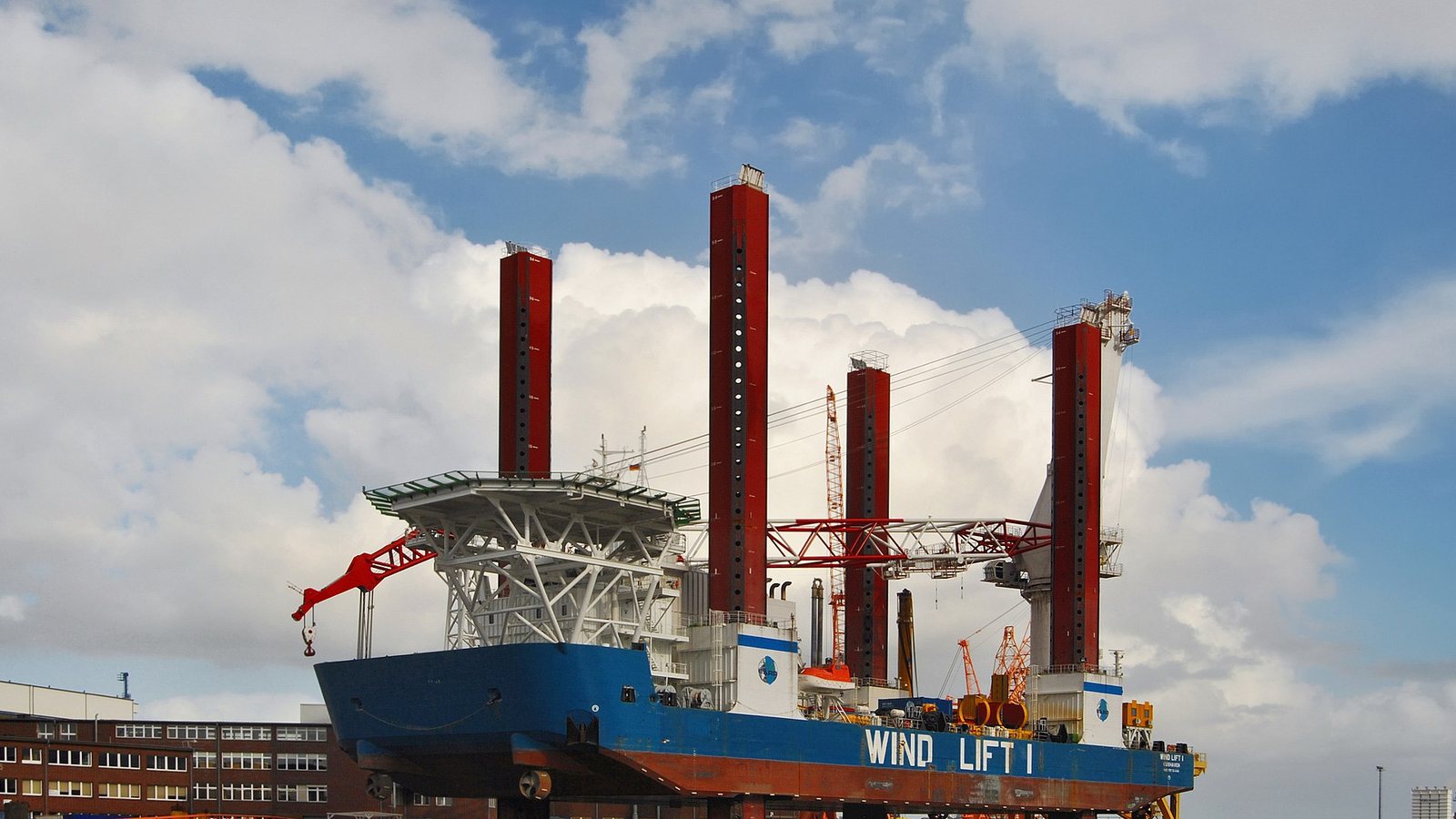
Illustrative image. Photo: kaʁstn Disk/Cat, CC BY-SA 3.0 de, via Wikimedia Commons — source