Countries With the Cheapest Electricity
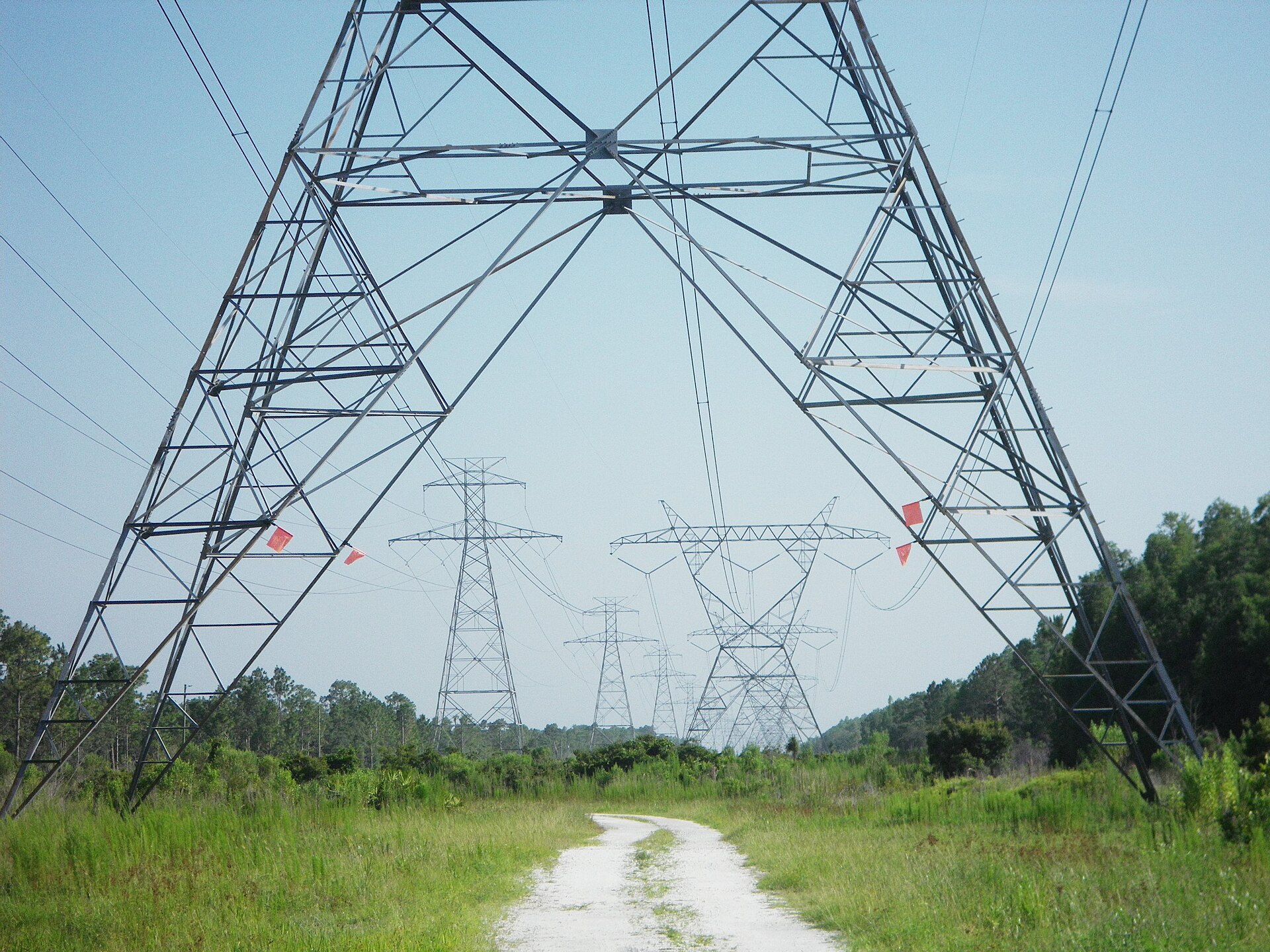

The countries with the cheapest electricity are mostly either oil and gas producers that subsidise power, or nations with abundant hydropower and a small domestic market. Household prices in these places can be a small fraction of European or North American levels, but a low tariff does not always mean low cost, reliable supply or a clean system. This article explains how rankings are built, which countries usually appear at the bottom of price tables and why, and how to read the numbers.
Cheapest Electricity: Which Countries Usually Lead
There is no single official ranking. Different organisations compare household prices, industrial prices or generation costs, in different currencies and at different dates. Price comparison websites that track household tariffs, such as GlobalPetrolPrices, publish country lists that change as exchange rates and subsidies move. Because of that, the countries below are best read as a group that repeatedly appears near the bottom, not as a fixed top ten.
The common thread is a cheap domestic energy source, a government decision to keep tariffs low, or both.
Methodology and Data Sources
Before using any list of the cheapest electricity, check four things.
- Which customer group: household, commercial or industrial prices differ widely within the same country.
- Which unit and currency: prices are usually quoted in US dollars per kilowatt-hour, so exchange rate swings can move a country up or down without any real change in tariffs.
- Which date: tariffs are revised, often after a subsidy reform or a fuel price change.
- Price versus cost: a low retail tariff can hide large state subsidies and losses at the utility.
Reliable sources for further checking include the International Energy Agency (IEA), the US Energy Information Administration (EIA), Ember for generation and price analysis, the International Renewable Energy Agency (IRENA) for generation costs, and national regulators for official tariff schedules.
A practical example shows why this matters. A household in a subsidised producer may pay a tiny tariff per kilowatt-hour, yet the utility behind it may lose money on every unit sold. Meanwhile a country with higher tariffs may be funding grid upgrades, storage or cleaner generation through its bills. The same number can therefore signal opposite things, which is why analysts look at the full cost of supply as well as the price.
Top Breakdown: Countries Often Among the Cheapest
The table below groups countries that frequently show up among the lowest household electricity prices in published comparisons. Values change, so treat it as a guide to the main reasons, and check a current source before quoting a price.
| Country | Main reason prices are low | Caveat |
|---|---|---|
| Iran | Large domestic natural gas supply and heavy subsidies | Shortages and scheduled outages have occurred, especially in peak seasons |
| Libya | Oil and gas wealth and state-set tariffs | Conflict and grid damage have affected reliability |
| Ethiopia | Large hydropower resources on the Blue Nile and other rivers | Access in rural areas is still limited; tariffs have been adjusted upward |
| Kuwait | Oil and gas wealth with subsidised tariffs | Peak demand in summer strains supply |
| Algeria | Plentiful domestic natural gas and regulated prices | Subsidy cost is a fiscal burden |
| Paraguay | Shares output of very large hydropower plants such as Itaipu | Local grid reliability varies by region |
| Bhutan | Run-of-river hydropower, exports surplus to India | Small, seasonal system |
| Egypt | Domestic gas and subsidised tariffs | Tariffs have risen in stages as subsidies are cut |
| Venezuela | Hydropower and heavily subsidised tariffs | Frequent outages and underinvestment |
| Zambia | Hydropower from the Zambezi basin | Drought has cut output and caused load shedding |
Other producers of oil and gas in the Gulf, Central Asia and elsewhere also keep tariffs low, though several have reformed them in recent years.
Why These Leaders Dominate the Cheapest Electricity Lists
Cheap domestic fuel
Countries that produce more natural gas or oil than they consume can supply power plants at a price far below international levels. If governments then set tariffs below cost, the result is very cheap household electricity.
Hydropower with low running costs
Once a dam is paid for, the fuel is free and operating costs are low. Countries that built large hydropower plants early can pass these low costs on, particularly when the plants exceed local demand.
Policy choices
Governments sometimes treat low power prices as a social policy or an industrial advantage. This works until subsidies become too costly or the utility cannot afford maintenance.
Economies of scale
Large, efficient plants and mature grids reduce unit costs. This is part of why industrial prices in some large economies can be lower than residential ones.
Regional Trends and Surprises
Several patterns stand out when reading price tables across regions.
- Middle East and North Africa: the lowest tariffs are found among producers, but many are reforming prices to cut subsidy costs.
- Sub-Saharan Africa: some countries have very low tariffs thanks to hydropower, yet millions of people lack access, so a cheap price does not equal wide availability.
- Latin America: hydropower shapes prices in Brazil, Paraguay and others, but droughts can raise costs sharply.
- Europe: Norway has historically had low prices because of hydropower, though interconnection with neighbouring markets means prices can rise when European wholesale prices spike.
- Asia: countries with coal, hydropower or heavily regulated tariffs can sit below global averages, while island and import-dependent nations pay far more.
One surprise is the gap between household tariffs and generation costs. According to IRENA, most new renewable capacity added in recent years has been cheaper to generate than new fossil fuel capacity, with solar and onshore wind often cheapest in good locations. Yet retail bills also include network charges, taxes and levies, so countries with cheap generation can still have high consumer prices.
What the Numbers Mean for Energy Markets
Cheap electricity influences investment, industry and emissions.
- Industrial location: energy-intensive industries such as aluminium, data centres and fertiliser tend to cluster where power is low-cost and reliable.
- Demand growth: low prices encourage consumption, which can strain the system and require more generation.
- Subsidy burden: countries that sell below cost transfer the shortfall to taxpayers or to utilities, which can reduce investment in maintenance.
- Energy transition: cheap but fossil-heavy power slows the shift to cleaner sources unless prices reflect cost, while cheap renewable power speeds it up.
- Reliability trade-off: buyers should compare price with the frequency of outages. Power that is often unavailable is costly in other ways.
Frequently Asked Questions About the Cheapest Electricity
Which country has the cheapest electricity?
It depends on the source and date. Iran, Libya, Ethiopia and several Gulf and North African producers often appear near the bottom of household price lists, but rankings change.
Why is electricity so cheap in oil and gas producers?
Domestic fuel is inexpensive and governments often set tariffs below the true cost of supply.
Is cheap electricity always a good sign?
No. It can reflect subsidies, weak utility finances, unreliable service or limited access.
Are renewables the cheapest way to generate power?
In many places, new solar and onshore wind are among the lowest-cost options for new generation, though system costs such as storage and grids also matter.
Where can I find current prices?
Check national regulators, the IEA, the EIA, Ember and reputable price databases, and note the date and currency used.
Conclusion
The cheapest electricity is found where fuel or hydropower is abundant and where governments choose to keep tariffs low. The headline price tells only part of the story. Reliability, access, subsidy cost and exchange rates all affect what a low number really means, so use rankings as a starting point and verify them against current official data.
Sources and further reading
- International Energy Agency (iea.org)
- US Energy Information Administration (eia.gov)
- Ember, electricity data and analysis (ember-energy.org)
- International Renewable Energy Agency, renewable power generation costs (irena.org)
- Energy Institute, Statistical Review of World Energy (energyinst.org)
- GlobalPetrolPrices household electricity price database (globalpetrolprices.com)