Equinor Company Profile: Norway’s Energy Champion
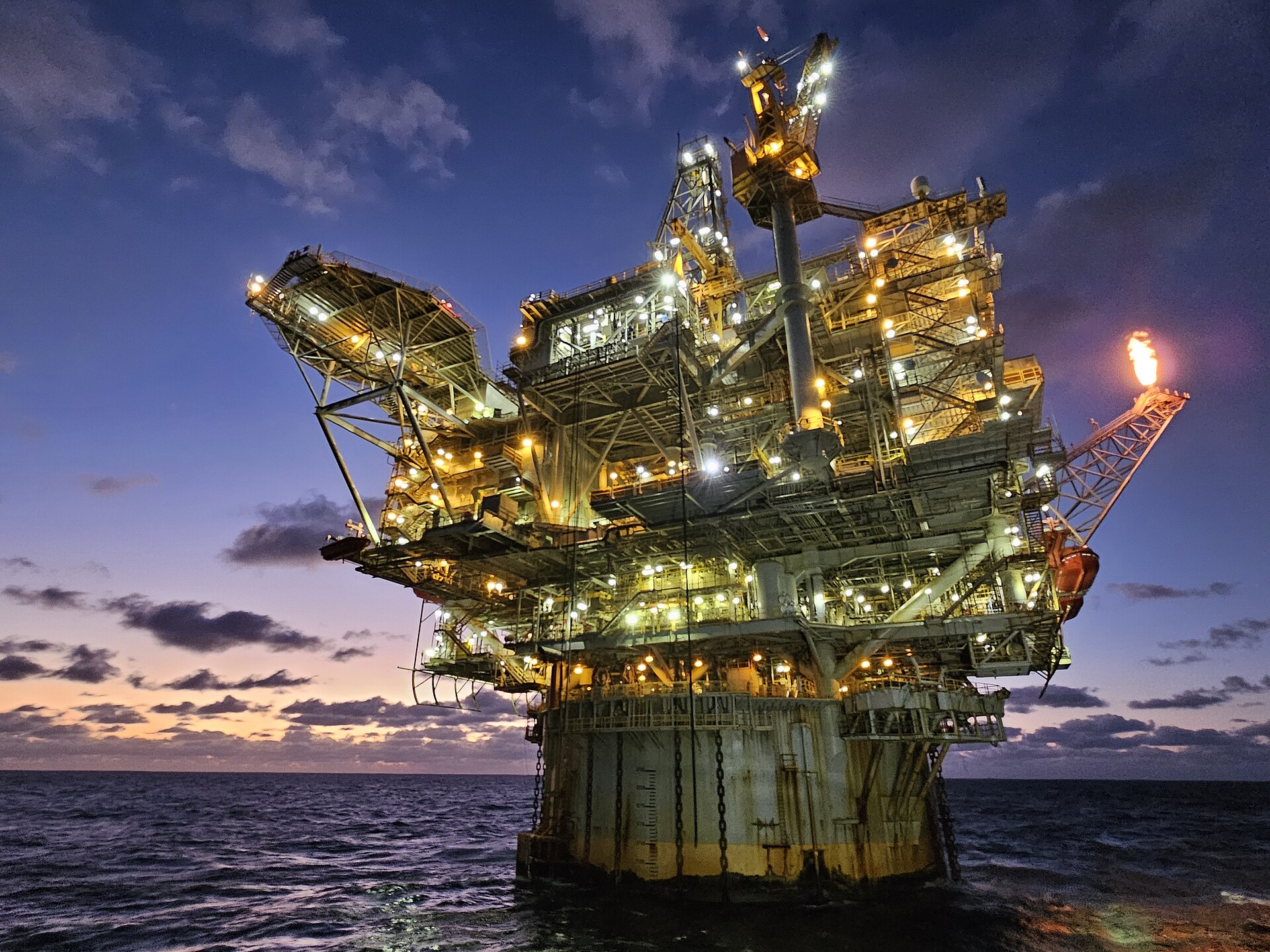

Equinor is Norway’s largest energy company and one of the biggest offshore operators in the world, with a business built on oil and gas from the Norwegian continental shelf and a growing portfolio in offshore wind, solar and carbon storage. The company is majority owned by the Norwegian state and is headquartered in Stavanger. This profile covers its history, ownership, main assets, financial scale and strategy, and answers common questions about working with or for the company.
Equinor at a Glance
- Headquarters: Stavanger, Norway.
- Listings: Oslo Børs and the New York Stock Exchange.
- Main activity: exploration and production of oil and gas, with large positions in wind power and carbon management.
- Ownership: the Norwegian state is the largest shareholder, holding roughly two thirds of the shares.
- Former name: Statoil, until the change to Equinor in 2018.
The company’s name combines “equi”, as in equality or equilibrium, with “nor” for Norway. It reflects the aim of balancing traditional energy supply with lower-carbon businesses.
Equinor History and Ownership
The company was founded in 1972 as Statoil, the Norwegian state’s oil company, shortly after the first major discoveries on the Norwegian shelf. In its early decades it worked alongside private and international partners and developed offshore skills that Norway still relies on, including deep-water engineering, subsea production and gas transport by pipeline.
Key milestones:
- 1972: Statoil is established as a fully state-owned company.
- 2001: partial privatisation, with shares listed in Oslo and New York.
- 2007: merger with the oil and gas business of Norsk Hydro, creating StatoilHydro.
- 2009: the company is renamed Statoil again.
- 2018: the name changes to Equinor to signal a broader energy role.
The state’s holding is managed by the Ministry of Trade, Industry and Fisheries. Separate from the company’s own stake, the state also holds direct interests in many Norwegian fields, which are managed by a state company, Petoro. This dual role gives the government both ownership and policy influence, and the company’s dividends are an important source of public revenue.
Core Business and Revenue Drivers
Most of Equinor’s earnings still come from producing oil and natural gas. Its work covers exploration, field development, operations, marketing and, increasingly, processing and transport of gas to Europe. Because Norway supplies a significant part of Europe’s pipeline gas, Equinor’s output matters to the continent’s energy security.
The business is usually described in several segments:
- Exploration and production in Norway: the core, with a long list of operated fields.
- International exploration and production: assets in the Americas and other regions.
- Marketing, midstream and processing: selling crude oil, gas and products, and operating gas processing and export infrastructure.
- Renewables and low-carbon solutions: offshore wind, solar, hydrogen and carbon capture and storage.
Earnings move with oil and gas prices, so profits can change sharply from year to year. Readers who want exact revenue or profit numbers should use the company’s latest annual report rather than secondary summaries.
Key Assets, Projects and Markets
Norwegian continental shelf
The North Sea, the Norwegian Sea and the Barents Sea provide most of the company’s production. Well-known assets include the giant Johan Sverdrup field, which began production in 2019, the Troll gas field with its large Troll A platform, and long-running fields such as Statfjord, Oseberg and Gullfaks. Johan Castberg in the Barents Sea expanded the company’s activity in the north. Gas from Hammerfest LNG, based on the Snøhvit field, supports an LNG export facility in northern Norway.
International operations
Outside Norway, Equinor operates or partners in projects in the United States, including the Gulf of Mexico, and in Brazil, where it has been active since the early 2000s. It has also built a presence in Argentina, Canada and elsewhere. These positions diversify supply and give the company access to skills and markets beyond the North Sea.
Offshore wind and new energy
Equinor is a pioneer in floating offshore wind. Hywind Scotland, commissioned in 2017, was the first commercial floating wind farm, and Hywind Tampen later supplied power to offshore oil and gas platforms. The company also takes part in large fixed-bottom projects such as Dogger Bank in the United Kingdom and has positions in offshore wind in the United States and Europe.
Carbon capture and storage
Equinor has stored carbon dioxide under the seabed at the Sleipner field since 1996, one of the longest-running projects of its kind. It is a partner in Northern Lights, a transport and storage project built to take captured CO2 from industrial sources across Europe.
Financial Performance and Scale
Equinor is among the largest listed energy companies in Europe by market value and revenue. Results swing with commodity prices, and the company has returned large sums to shareholders through dividends and share buybacks in strong years, with much of the dividend flowing to the Norwegian state. Norway channels oil and gas revenue into its sovereign wealth fund, which invests abroad and is one of the largest in the world.
Investors typically watch a few measures:
- Production volumes, measured in barrels of oil equivalent per day.
- Unit production costs, which are low on newer Norwegian fields.
- Capital spending split between oil and gas and low-carbon projects.
- Net debt and cash returns to shareholders.
Because figures change with every quarter, check the company’s investor pages for current numbers.
Equinor Strategy and the Energy Transition
The company says it aims to reach net-zero emissions from its operations by mid-century and to cut emissions from its own production sooner. In practice this means electrifying platforms with power from shore or from wind, reducing flaring and methane leakage, and investing in renewables and carbon storage.
The strategy has not been static. Like other European energy companies, Equinor has adjusted its renewable investment plans more than once as costs, interest rates and project economics changed, while continuing to emphasise oil and gas output from the Norwegian shelf. Observers differ on whether the pace of transition is fast enough, and the company faces both pressure to expand clean energy and demand for secure fossil supply.
| Area | Main approach |
|---|---|
| Oil and gas | Maximise recovery from existing fields, keep emissions intensity low |
| Offshore wind | Floating and fixed projects, mainly in Europe and the United States |
| Carbon storage | Store CO2 for industrial customers in the North Sea |
| Hydrogen | Pilot and early-stage projects linked to gas and storage |
Jobs and Careers at Equinor
Equinor employs people across engineering, geoscience, operations, trading, finance, digital and project management. Many positions are in Norway, with offices and operations in other countries. The company runs graduate programmes and recruits experienced professionals, especially in offshore, subsea and data-related fields.
For candidates, a few practical points apply. Norwegian language skills help for many onshore roles in Norway, while international assignments use English. Offshore roles follow rotation patterns and strict safety requirements. Current vacancies and conditions are published on the company’s careers pages.
Frequently Asked Questions About Equinor
What does Equinor do?
Equinor explores for and produces oil and gas, sells energy products, and develops offshore wind, solar and carbon storage projects.
Who owns Equinor?
The Norwegian state is the largest shareholder, with about two thirds of the shares. The rest is held by institutional and private investors.
Was Equinor once called Statoil?
Yes. The company was founded as Statoil in 1972 and was renamed Equinor in 2018.
Where does Equinor operate?
Mainly on the Norwegian continental shelf, with international activity in the United States, Brazil, the United Kingdom and other countries.
Is Equinor only an oil and gas company?
Most of its earnings still come from oil and gas, but it is also a significant offshore wind developer and carbon storage operator.
Conclusion
Equinor combines the technical depth built on decades of Norwegian offshore production with an expanding set of low-carbon businesses. Its profile is that of a state-backed, internationally active energy company: profitable from hydrocarbons, experimenting with floating wind and carbon storage, and constantly judged on how fast it shifts its mix. For anyone following European gas supply or offshore wind, Equinor remains a company to watch.
Sources and further reading
- Equinor, company and investor information (equinor.com)
- Norwegian Offshore Directorate (sodir.no)
- Petoro, state direct financial interest in Norwegian fields (petoro.no)
- Norges Bank Investment Management (nbim.no)
- International Energy Agency, Norway country profile (iea.org)