Shell plc Company Profile: Business and Strategy
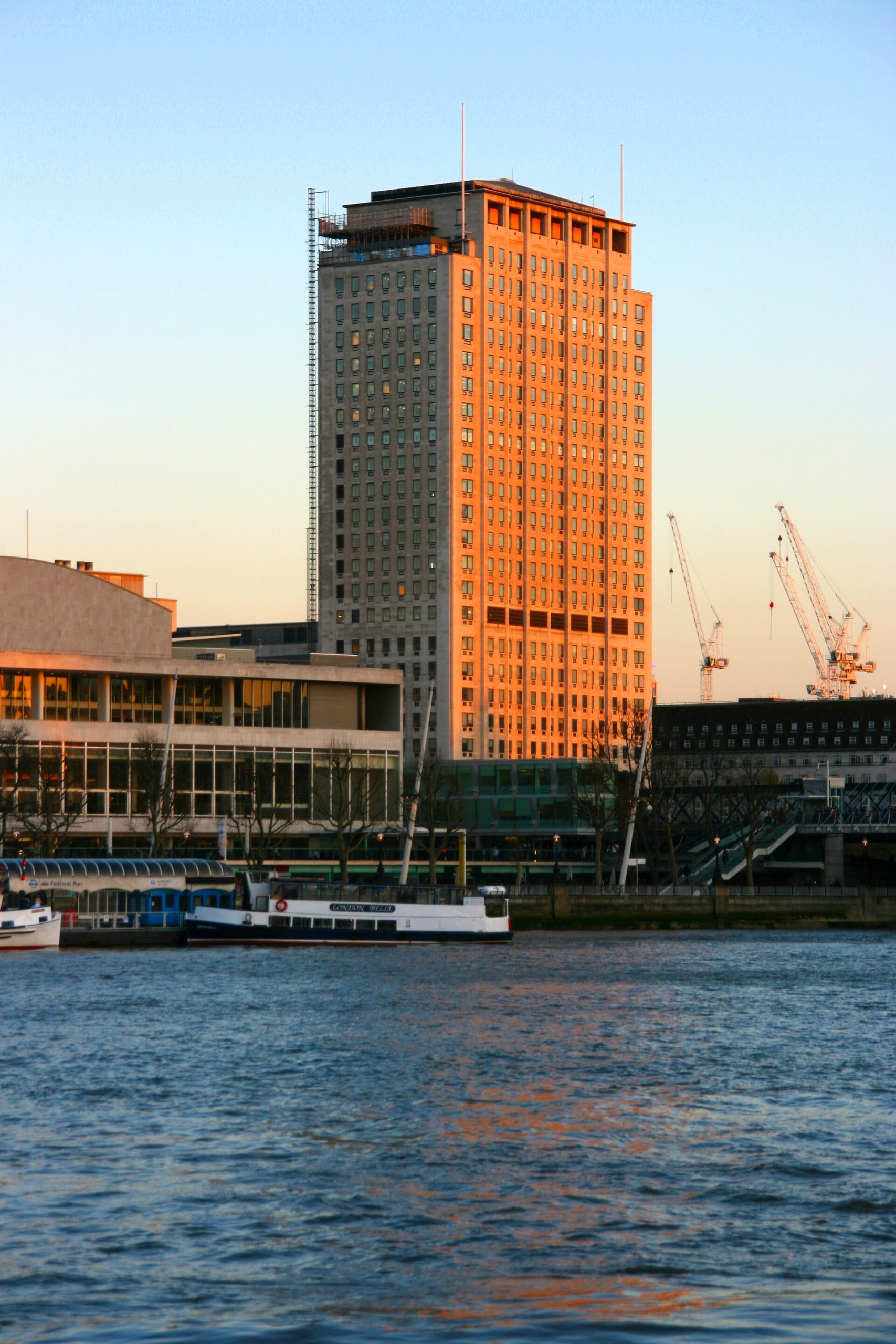

Shell plc is one of the world’s largest integrated energy companies, with operations that stretch from deepwater oil and gas fields and liquefied natural gas (LNG) plants to fuel retail, chemicals, power trading and low-carbon projects. The company is headquartered in London, listed on several stock exchanges and active in more than 70 countries. This profile covers its history, ownership, main business lines, key assets, financial scale and strategy, along with what it offers to job seekers.
Shell plc at a Glance
| Item | Detail |
|---|---|
| Legal name | Shell plc (formerly Royal Dutch Shell plc) |
| Headquarters | London, United Kingdom |
| Origins | Royal Dutch Petroleum (1890) and Shell Transport and Trading (1897), combined in 1907 |
| Listings | London Stock Exchange, Euronext Amsterdam, New York Stock Exchange |
| Chief executive | Wael Sawan (since January 2023) |
| Main activities | Integrated gas and LNG, upstream oil and gas, fuels marketing, chemicals and refining, energy trading, renewables and energy solutions |
Shell is often grouped with the “supermajors” alongside ExxonMobil, Chevron, BP and TotalEnergies. Within that group it is best known for its LNG portfolio, its trading arm and its large retail network.
History and Ownership
The Shell story begins with two businesses. Royal Dutch Petroleum started developing oil in the Dutch East Indies in 1890, while Shell Transport and Trading grew from a London trading house that shipped oil and, famously, seashells. They merged their interests in 1907 to compete with Standard Oil, forming the Royal Dutch/Shell Group.
For almost a century the group operated through two parent companies. In 2005 the structure was simplified into a single company, Royal Dutch Shell plc. In 2022 shareholders approved another simplification: the company was renamed Shell plc, the “Royal Dutch” element was dropped and the tax residence and headquarters moved from The Hague to London.
Major milestones include the acquisition of BG Group in 2016, a deal that made Shell a much larger player in LNG and Brazilian offshore oil, and the sale or restructuring of assets that no longer fit its portfolio, such as parts of its onshore Nigerian business.
Shell plc has no controlling shareholder. Its shares are held mainly by institutional investors such as pension funds and asset managers, and ordinary shares trade on the exchanges listed above, with American depositary shares in New York.
Core Business and Revenue Drivers
Shell reports its results through several business segments. The exact segment names have changed over the years, but the main building blocks are consistent.
Integrated Gas
This segment covers natural gas production, LNG liquefaction, shipping, regasification and gas-to-liquids. Shell has a long history in LNG and is widely regarded as one of the largest LNG sellers in the world. Its Shell LNG business is therefore one of the company’s most important earnings drivers.
Upstream
Upstream finds and produces oil and gas, with major positions in deepwater fields in the US Gulf of Mexico, Brazil and elsewhere, as well as projects in the North Sea, Nigeria, Oman, Kazakhstan and Malaysia.
Marketing
Marketing includes the Shell-branded service station network, lubricants, aviation and marine fuels, and electric vehicle charging. It is the most visible part of the business for consumers.
Chemicals and Products
This unit runs refineries and chemical plants and trades crude oil and refined products. Margins here can swing sharply with supply and demand.
Renewables and Energy Solutions
This segment handles power trading, solar and wind development, biofuels, hydrogen and carbon-related projects. It is smaller in earnings terms than oil and gas but is central to the company’s transition narrative.
Key Assets, Projects and Markets
A few flagship assets illustrate the scale and range of the portfolio:
- Pearl GTL, Qatar: a gas-to-liquids plant run with QatarEnergy that converts natural gas into liquid fuels and base oils.
- Prelude FLNG, Australia: one of the largest floating facilities ever built, producing LNG from offshore fields in Western Australia.
- LNG Canada: a joint venture on Canada’s Pacific coast in which Shell holds a 40 percent stake, designed to send LNG to Asian customers.
- Nigeria LNG: a long-running export project in which Shell is a shareholder.
- Deepwater Gulf of Mexico: several large platforms operated or co-owned by Shell.
- Brazil pre-salt: partnerships in major offshore developments with Petrobras and others.
Beyond upstream assets, Shell operates large refining and petrochemical complexes, including a major site in Singapore, and a worldwide retail network of tens of thousands of service stations. Its trading offices in London, Singapore and elsewhere move large volumes of crude oil, fuels, LNG and power.
Financial Performance and Scale
Shell plc reports annual revenue in the hundreds of billions of US dollars and profits that rise and fall with oil, gas and refining margins. Earnings were exceptionally strong in 2022 when energy prices spiked, and lower in later years as prices eased. For this reason, single-year numbers say little; investors usually follow adjusted earnings, cash flow from operations, net debt and shareholder distributions across several years.
Under its current financial framework, Shell has stressed capital discipline, a progressive dividend and regular share buybacks funded from cash flow. Exact figures are published each quarter in the company’s results releases and once a year in its Annual Report, which are the authoritative sources for anyone writing about performance.
The company employs close to 100,000 people worldwide, according to its recent annual reporting, making it one of the larger employers in the global energy sector.
Strategy and the Energy Transition
Shell has committed to becoming a net-zero emissions energy business by 2050, covering emissions from its own operations and from the energy products it sells. Since the leadership change in 2023, the company’s public message has centred on “more value with less emissions”: prioritising high-return oil and gas and LNG, trimming lower-return activities, and investing selectively in low-carbon businesses.
In practice the strategy has several strands:
- Grow LNG and integrated gas as demand for lower-carbon-intensity fuels in power and industry continues.
- Maintain production from existing oil fields with strict cost control.
- Reduce emissions from operations through methane controls, flaring cuts and efficiency.
- Build selected low-carbon businesses such as EV charging, biofuels, power trading and carbon capture.
Climate groups and some investors have criticised the pace of this transition, while other shareholders have pushed the company to focus on oil and gas returns. How Shell balances these pressures remains a central question for the company.
Jobs and Careers at Shell plc
A company of this size hires across a wide mix of disciplines. Typical roles include petroleum, process and subsea engineers; geoscientists; commercial and trading analysts; project managers; HSE specialists; data scientists and software engineers; and retail and supply chain staff. Graduate programmes run in many countries, and technical roles on offshore or plant sites often require specific certifications.
Pay and benefits vary by country and role. For accurate details, applicants should use the careers section on shell.com and compare with independent salary surveys for the relevant market.
Frequently Asked Questions About Shell plc
Where is Shell plc headquartered?
Shell plc is headquartered in London. It moved there from The Hague in 2022 when the company changed its name from Royal Dutch Shell plc.
Is Shell plc state owned?
No. It is a publicly listed company with a broad base of institutional and retail shareholders and no single controlling owner.
What is Shell’s biggest business?
Integrated gas, including LNG, and upstream oil and gas are the biggest profit drivers, while marketing and chemicals add scale and diversification.
Does Shell plc invest in renewables?
Yes, mainly through power trading, selected solar and wind projects, biofuels, EV charging and hydrogen, though low-carbon spending is a minority share of total investment.
Where can I find Shell’s official financial figures?
The company’s Annual Report and quarterly results releases, published on shell.com, are the primary sources.
Conclusion
Shell plc combines a century-old brand with a modern strategy built around LNG, disciplined oil and gas production, global trading and a smaller but growing set of low-carbon businesses. Understanding the company means following its LNG deals, its capital spending and the policy pressures on fossil fuels. For readers, the best sources remain the company’s own reports, exchange filings and independent analyses from bodies such as the International Energy Agency.
Sources and further reading
- Shell plc Annual Report and quarterly results (shell.com)
- Shell plc investor relations materials (shell.com)
- International Energy Agency, reports on LNG and gas markets (iea.org)
- London Stock Exchange company information (londonstockexchange.com)
- Company history references held by the Wikimedia Foundation projects (wikipedia.org)