Qatar’s Energy Sector: LNG, North Field and Exports
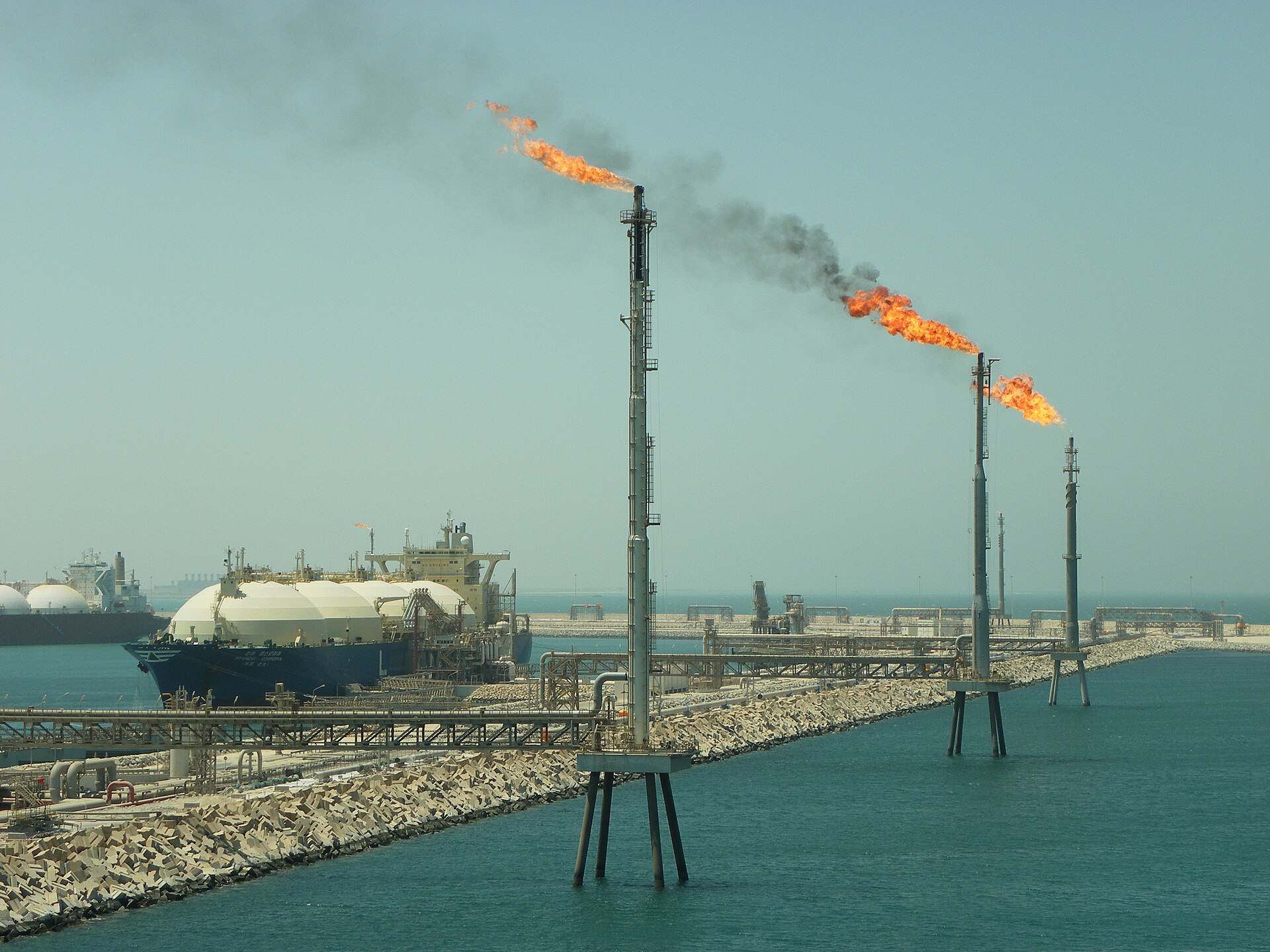

The Qatar energy sector is built on natural gas. The small Gulf state sits on the North Field, the largest non-associated natural gas field in the world, and has turned it into one of the biggest liquefied natural gas (LNG) export businesses on the planet. State-owned QatarEnergy runs almost every part of the chain, from wells and liquefaction plants to shipping and partnerships with international oil companies. This article explains the key figures, projects, infrastructure and risks.
Qatar Energy Sector: Overview and Key Figures
Qatar’s economy depends heavily on hydrocarbons. Natural gas, LNG, condensate, liquefied petroleum gas (LPG), helium and petrochemicals together account for the bulk of export earnings and government revenue. The country is one of the world’s top LNG exporters, usually ranked second or third by volume alongside Australia and behind the United States.
| Item | Detail |
|---|---|
| Main resource | North Field, shared geologically with Iran’s South Pars |
| National energy company | QatarEnergy (formerly Qatar Petroleum) |
| LNG capacity before expansion | About 77 million tonnes per annum (mtpa) |
| Announced expansion target | 142 mtpa after the North Field East, South and West phases |
| Industrial hub | Ras Laffan Industrial City |
| Shipping | Nakilat, one of the world’s largest LNG fleets |
Qatar left OPEC in 2019 to concentrate on gas. It remains a major oil and condensate producer, but its strategic weight lies in LNG.
Energy Mix and Resources
Domestically, Qatar generates almost all of its electricity from natural gas, which is cheap and abundant. The same gas also feeds desalination plants, which supply most drinking water, and large industrial users such as petrochemical and fertiliser plants.
The North Field
The North Field extends under Qatar’s territorial waters in the Gulf and is shared with Iran, where the same reservoir is known as South Pars. It holds vast reserves of wet gas, meaning it also yields condensate, LPG and other liquids, which add revenue beyond the gas itself.
Solar and decarbonisation
Qatar has started to add solar power. The Al Kharsaah plant, with a capacity of around 800 megawatts, entered service in 2022 and is the largest in the country. Government and QatarEnergy plans also include carbon capture and storage linked to the new LNG trains, intended to reduce the emissions intensity of its LNG.
Major Companies and Projects
QatarEnergy is the central actor. It holds the state’s interests in LNG and gas projects and partners with international oil companies, including ExxonMobil, Shell, TotalEnergies, ConocoPhillips, Eni and several Asian state firms, which bring capital, technology and market access.
- Qatargas and RasGas legacy ventures: the original LNG joint ventures that built Qatar’s first 14 trains, now operating under a unified structure.
- North Field East: the first part of the expansion, adding several mega trains and lifting capacity substantially.
- North Field South and West: follow-on phases that complete the planned increase to 142 mtpa.
- Pearl GTL: a gas-to-liquids plant operated with Shell, producing clean-burning fuels and base oils.
- Nakilat shipping: a large fleet of Q-Flex and Q-Max carriers, plus a major newbuilding programme to carry expansion volumes.
Imports, Exports and Infrastructure
Qatar’s customers are spread across Asia and Europe. China, India, South Korea, Japan, Pakistan and several European countries buy LNG under long-term contracts that typically run for many years, and recent expansion deals have extended into multi-decade terms. A smaller share is sold on the spot market.
Key infrastructure includes:
- Offshore platforms and subsea pipelines bringing gas from the North Field to Ras Laffan.
- Liquefaction trains at Ras Laffan, which cool gas to about minus 162 degrees Celsius.
- Storage tanks and large export berths.
- The Dolphin Gas Project pipeline, which sends gas to the United Arab Emirates and Oman.
The country imports little energy, apart from some refined products and specialist equipment. Nearly all LNG cargoes leave through the Strait of Hormuz, a point that shapes the sector’s risk profile.
Policy and Investment Outlook
Policy under the Qatar National Vision aims to diversify the economy while using gas revenues to fund investment. In the energy sector this has meant a decision to expand LNG capacity ahead of expected demand growth, rather than wait for a clear signal from the market. The government has also backed downstream petrochemicals, helium, fertilisers and a sovereign wealth fund, the Qatar Investment Authority, that invests abroad.
The investment case for expansion rests on three arguments. First, Qatar is among the lowest-cost LNG producers because the North Field is a very large, highly productive reservoir in shallow offshore waters. Second, demand in Asia and for gas-fired power in importing nations is expected to remain strong for years. Third, long-term contracts signed by buyers provide revenue certainty. Timelines for first production from each phase have been set by QatarEnergy and can shift, so the company’s announcements are the right reference for current schedules.
Risks and Challenges
A sector this concentrated faces several risks.
- Geopolitical exposure. The Strait of Hormuz is the only sea route for the country’s LNG exports. Regional tensions, military incidents or shipping disruptions can affect supply.
- Competition. The United States, Canada, Mozambique and others are adding LNG capacity, which may tighten margins when the market is oversupplied.
- Demand uncertainty. Faster renewable growth, efficiency and policy in major importers could reduce gas demand later in the century.
- Regulatory friction. Some buyers, notably in Europe, have raised concerns over corporate due diligence and methane rules, and Qatar has argued that these could limit trade.
- Execution. Building mega trains and a large fleet in parallel requires careful management of costs, labour and supply chains.
Environmental scrutiny also applies to flaring, methane leakage and the carbon intensity of liquefaction, and the success of carbon capture plans will matter for buyers with climate targets.
What the Qatar Energy Sector Means for Global Energy Markets
For importing countries, Qatar is a core source of supply security. When Europe moved away from Russian pipeline gas, LNG from the Gulf, the United States and elsewhere became more important, and Qatar’s capacity decisions influence price expectations. In Asia, Qatari LNG underpins power generation and industry in several large economies.
The expansion also changes the competitive landscape. Adding capacity of this scale tends to push down spot prices when it arrives, which benefits buyers but pressures higher-cost projects. The effect depends on timing, because delays or accelerated launches elsewhere can alter the balance.
Frequently Asked Questions About the Qatar Energy Sector
What is Qatar’s main energy export?
Liquefied natural gas. Qatar also exports condensate, LPG, helium and petrochemicals.
What is the North Field expansion?
It is a multi-phase programme by QatarEnergy, with partners, to add large LNG trains and lift capacity from about 77 mtpa to a planned 142 mtpa.
Is Qatar a member of OPEC?
No. Qatar left OPEC at the start of 2019 and focuses on gas.
Who owns QatarEnergy?
The State of Qatar owns QatarEnergy, which is its national energy company.
Which countries buy Qatar’s LNG?
Major buyers include China, India, South Korea, Japan and Pakistan, along with several European countries.
Conclusion
The Qatar energy sector is a gas-and-LNG powerhouse whose importance to global markets is growing as the North Field expansion unfolds. Its strengths are low costs, long-term contracts and integrated shipping and processing, while its main vulnerabilities are geographic concentration and the long-term path of gas demand. Readers following the sector should watch QatarEnergy’s project updates, new supply contracts and regional shipping conditions.
Sources and further reading
- QatarEnergy company information and press releases (qatarenergy.qa)
- International Energy Agency, gas market and Qatar country information (iea.org)
- Energy Institute, Statistical Review of World Energy (energyinst.org)
- International Group of Liquefied Natural Gas Importers (giignl.org)
- U.S. Energy Information Administration, LNG trade analysis (eia.gov)