FERC Rejects TransAlta’s Cost Plan for Idle Centralia Coal Unit

The Federal Energy Regulatory Commission on October 1 rejected a cost-recovery plan filed by TransAlta, the Calgary-based owner of the Centralia coal-fired power plant in Washington state, covering expenses tied to keeping the plant’s 730-megawatt unit from retiring as scheduled at the end of 2025.
TransAlta had asked FERC to let it recover $19.9 million in costs linked to a 90-day emergency order the U.S. Department of Energy issued in mid-December under Section 202(c) of the Federal Power Act, plus an additional $23 million the company said it expects to spend on repairs to keep the unit available. The order, the first of its kind applied to Centralia, blocked TransAlta from shutting the unit down on its planned retirement date and required it to remain on standby for potential dispatch.
A cost-recovery plan too wide for FERC
FERC did not dispute that TransAlta incurred real costs complying with the order. Instead, the commission found that the company’s proposed billing area reached far beyond the region where the plant’s capacity is actually needed for reliability. TransAlta’s filing sought to spread part of the recovery across the California Independent System Operator and the Southwest Power Pool — grids hundreds of miles from Centralia.
The commission pointed to the North American Electric Reliability Corporation’s own assessment, which flags reliability concerns specifically in what NERC calls the Northwest assessment area: Washington, Oregon, Montana, and parts of northern California and Idaho. FERC said that if TransAlta refiles, cost recovery should be confined to utilities within that footprint rather than the wider Western interconnection.
A plant ordered to stay, but not to run
The Centralia case has become a test of how far the use of emergency 202(c) orders to keep retiring fossil-fuel plants connected to the grid can be pushed onto ratepayers who may never draw power from them. TransAlta had planned to retire Centralia’s remaining unit at the end of 2025 under a long-agreed phase-out with Washington state; the DOE order paused that timeline on reliability grounds tied to the broader Pacific Northwest grid.
Despite being ordered to stay available, the unit has not generated power since the first emergency order took effect, according to regulatory filings — underscoring that the dispute is less about dispatching electricity than about who pays to keep a non-operating plant on call.
Opposition from the Northwest, support from clean-energy groups
A coalition of rural electric cooperatives, the Portland-based Public Power Council, and the Snohomish County Public Utility District had protested TransAlta’s filing at FERC, arguing it would be wholly inappropriate to charge any of the costs to customers of the Bonneville Power Administration, which bore no responsibility for the order. The Sierra Club welcomed FERC’s rejection, framing it as a check on attempts to spread the cost of extending coal plants’ lives across a broad base of utility customers who gain nothing from the arrangement.
A FERC spokesperson has not indicated a timeline for any refiling. TransAlta could submit a narrower cost-recovery request limited to the Northwest footprint the commission identified, though doing so would shrink the pool of customers available to absorb the roughly $43 million in combined costs the company has flagged so far. The ruling adds to a growing body of FERC decisions testing the limits of how far federal regulators will let utilities and generators push costs onto grids beyond where a project actually sits.
Sources
- Utility Dive, “FERC rejects TransAlta 202(c) cost-recovery plan for Centralia unit,” October 2026 — ruling details, dollar figures, FERC’s reasoning on geographic scope.
- Utility Dive, “TransAlta seeks $19.9M for Centralia plant’s first DOE ’emergency’ order” — background on the original filing and the DOE 202(c) order.
- CleanTechnica, “Sierra Club Statement on FERC Decision Rejecting Centralia Coal Plant Cost-Recovery Plan,” October 2, 2026 — Sierra Club reaction and policy framing.
- Mugglehead, “TransAlta Centralia cost recovery tariff rejected by FERC” — independent confirmation of the ruling and company response.
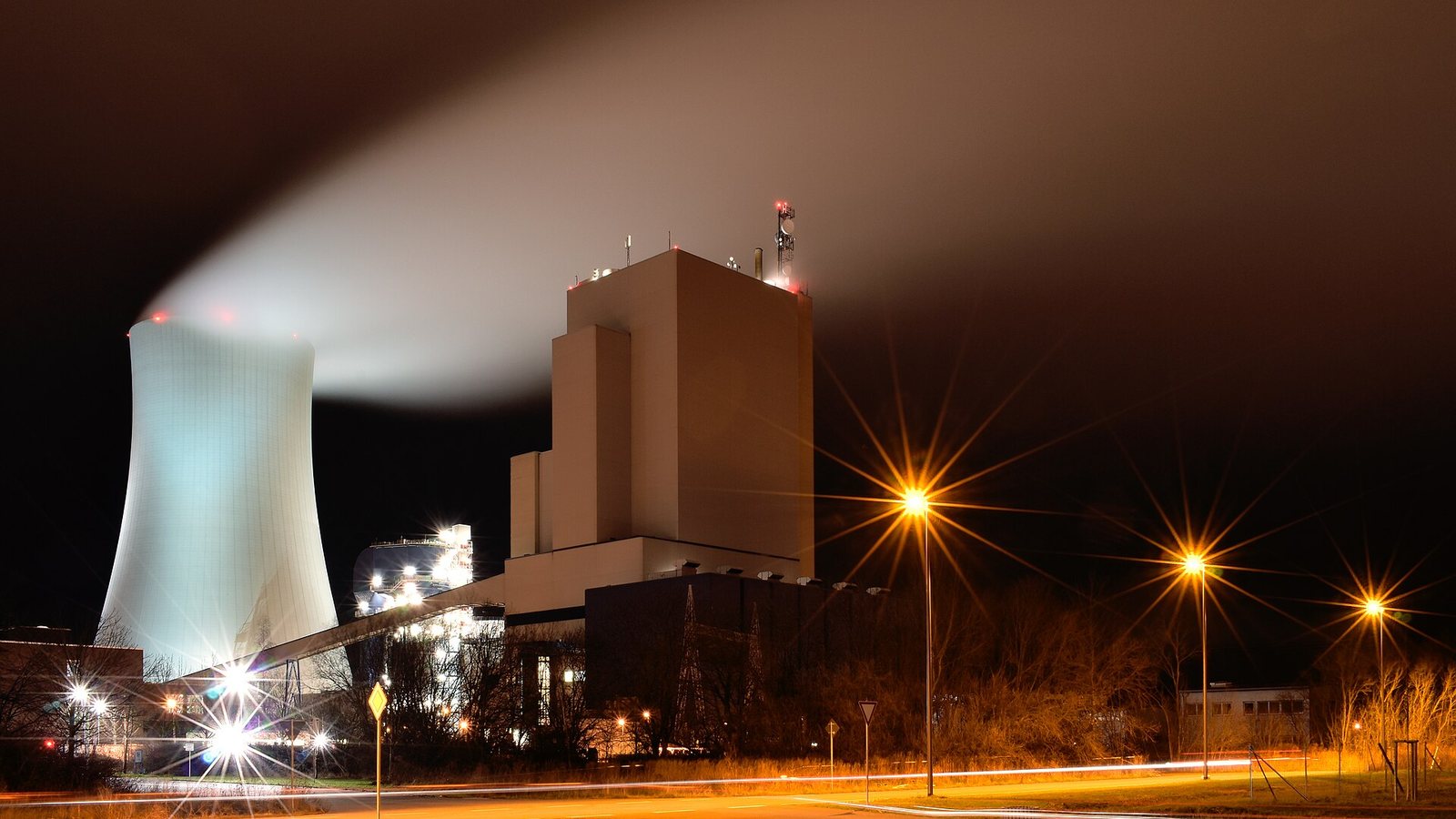
Illustrative image. Photo: Radomianin, CC BY-SA 4.0, via Wikimedia Commons — source