Subsea7 Hires Worley to Fabricate Subsea Structures for Northern Lights CCS Expansion

Subsea7 has awarded Worley’s Rosenberg unit in Norway a contract to fabricate subsea structures and spools for the second phase of Northern Lights, the Equinor-led carbon capture and storage (CCS) project beneath the North Sea, the companies confirmed this week, as the project works toward more than tripling its CO2 storage capacity by 2028.
A Repeat Role for Worley Rosenberg
The new award covers fabrication of subsea structures and spools supporting Northern Lights Phase 2, and follows comparable work Worley Rosenberg already delivered for the project’s first phase in 2023. Jan Narvestad, managing director of Worley Rosenberg, said the award “strengthens our position in the growing subsea market” and extends the company’s role in enabling large-scale CO2 reduction. Neither company disclosed the contract’s value.
Scaling Up After a 2025 Investment Decision
Northern Lights’ operators took the final investment decision for Phase 2 in March 2025, setting in motion an expansion of the project’s capacity to transport and permanently store captured CO2 beneath the North Sea seabed. Today, the system can handle 1.5 million tonnes of CO2 a year; the Phase 2 build-out is designed to lift that to more than 5 million tonnes annually by 2028 — a more than threefold increase. Phase 1 has been operational since 2025, with the project’s Øygarden receiving terminal near Bergen handling the first commercial volumes of captured CO2 transported and stored that year.
Northern Lights forms the storage backbone of Longship, Norway’s flagship CCS initiative, which is designed to let industrial emitters — in Norway and, eventually, other European countries — ship captured CO2 by sea for permanent injection into a depleted offshore reservoir rather than venting it to the atmosphere.
An Open-Access Model for European Emitters
What distinguishes Northern Lights from many single-site CCS ventures is its open-access design: rather than serving one dedicated industrial emitter, the system is built to receive captured CO2 by ship from multiple customers across Norway and continental Europe, who book transport and storage capacity much as they would contract space on a pipeline or in a port terminal. That structure is part of why Phase 2’s capacity increase matters beyond Norway’s own borders — the additional 3.5 million-plus tonnes a year of headroom is aimed at industrial sites in countries that have no CO2 storage geology of their own and are counting on seaborne access to the North Sea’s depleted reservoirs to meet emissions-reduction targets.
One Contract in a Wider European CCS Build-Out
The Worley Rosenberg award adds to a run of contracting activity around Northern Lights’ expansion as the project moves from its original single-customer scope toward handling CO2 from a broader base of industrial shippers across Europe. It also lands alongside other European CCS projects reaching construction milestones: in the UK, Eni recently installed what it describes as the world’s first dedicated CO2 injection platform for its Liverpool Bay storage project, offering a comparison point for how differently structured CCS ventures are advancing toward operation in the same timeframe. Equinor, Northern Lights’ lead operator, has also been active elsewhere in the North Sea on the exploration and production side; the company recently finalized a drilling deal with Transocean that added to the rig contractor’s backlog alongside new Shell work, underscoring Equinor’s parallel focus on both producing and storing carbon in Norwegian waters.
Why Fabrication Contracts Are a Useful Signal
Large infrastructure projects like Northern Lights move through a sequence of visible milestones — a final investment decision, a string of engineering, procurement and construction contracts, fabrication and installation work, and eventually commissioning. Subsea7’s fabrication award to Worley Rosenberg sits firmly in that middle stage, translating Phase 2’s March 2025 FID into physical work on the structures that will actually sit on the seabed. For a project aiming to more than triple its throughput by 2028, contracts like this one are a more concrete marker of progress than announcements alone, since they commit real fabrication yard capacity and timelines to the expansion.
Sources
- Offshore Engineer (oedigital.com), “Subsea7 Hires Worley for Northern Lights CCS Fabrication Job,” published October 15, 2026 — for the contract award, scope, Phase 1/Phase 2 status and the quote from Jan Narvestad.
- Ocean News and Offshore Source, independent coverage of the Worley Rosenberg fabrication award, October 2026 — for corroboration of the contract scope and project capacity figures.
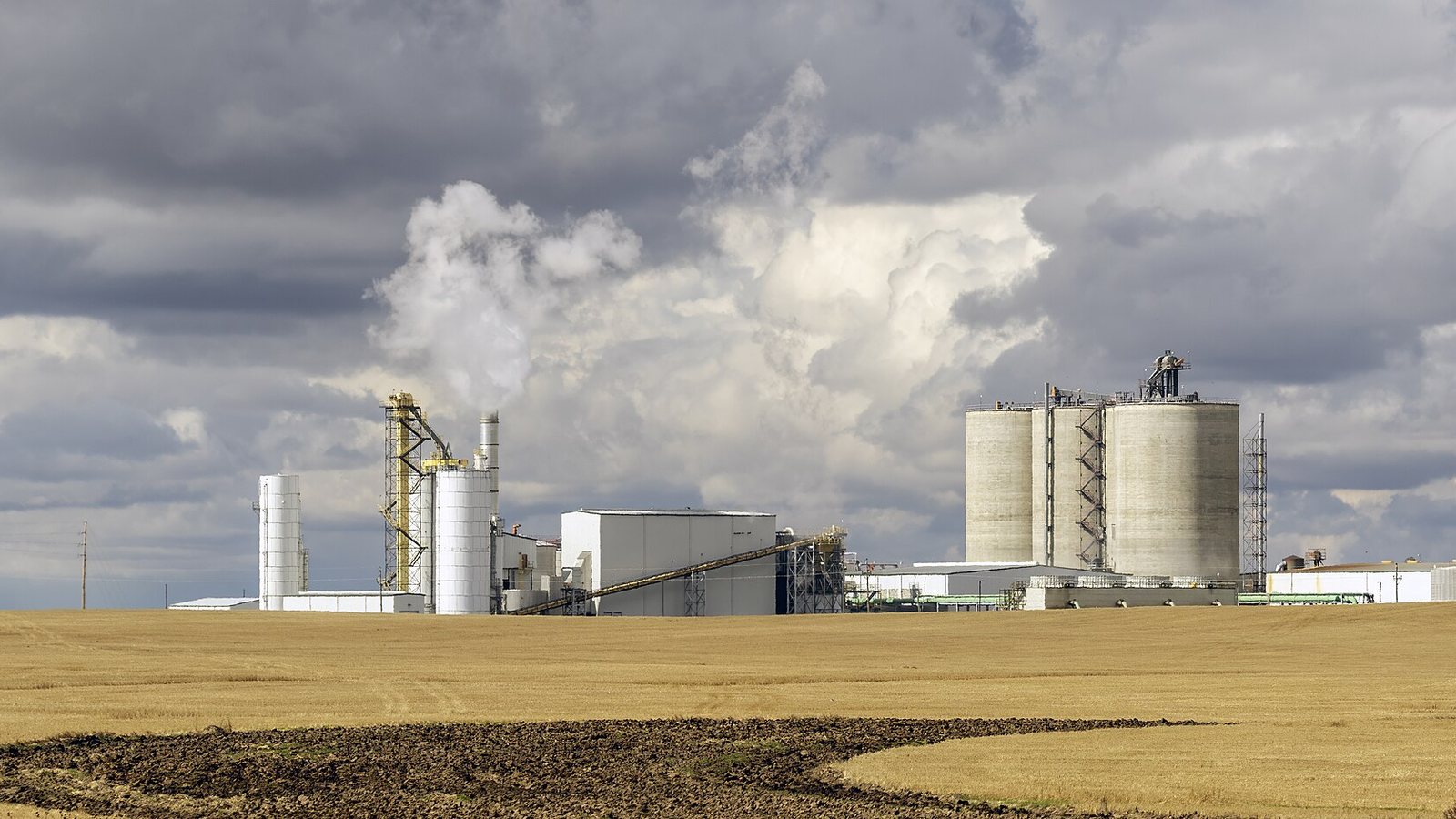
Illustrative image. Photo: Acroterion, CC BY-SA 4.0, via Wikimedia Commons — source